Nairobi's arts ecosystem has matured dramatically over the past five years, transforming the city into a genuine cultural destination. Whether you're a longtime collector or casual art enthusiast, navigating the capital's gallery landscape requires a strategic approach—and right now is an excellent moment to explore.
Start in Westlands, where the concentration of galleries reflects the neighbourhood's emergence as the city's creative hub. The Nairobi Contemporary Art Institute on Limuru Road continues to set the standard for curatorial rigour, hosting rotating exhibitions that engage with pan-African visual dialogues. Expect to spend 90 minutes minimum; entry costs around Ksh 500 for adults, with student discounts available.
Just east, Gallery Watatu in the same corridor remains essential viewing for anyone tracking Kenya's digital and contemporary art movements. Their current programming emphasises emerging voices, with pieces ranging from Ksh 15,000 to several million depending on artist and medium. The gallery's café makes it a natural half-day destination.
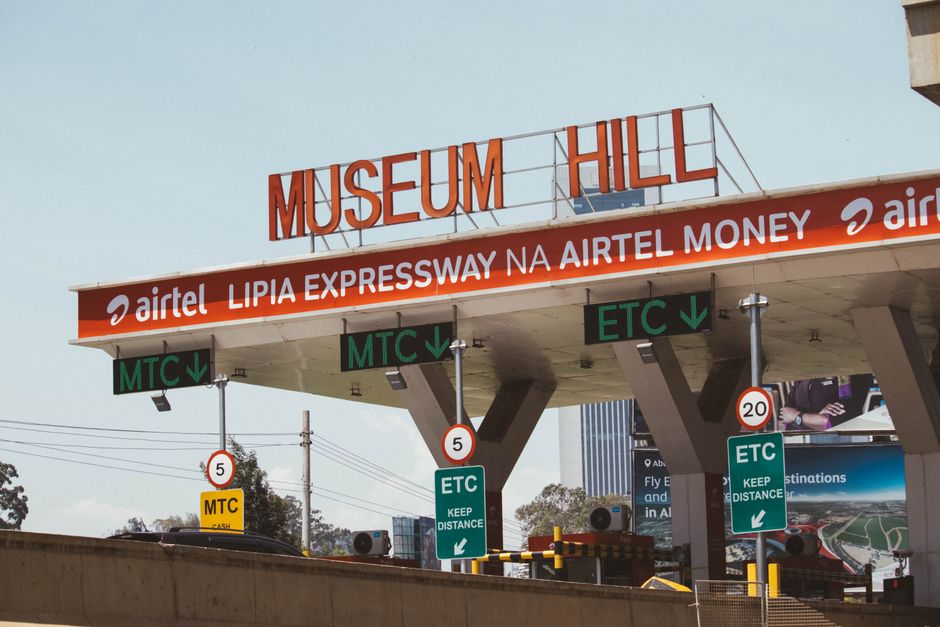
For institutional depth, the National Museum on Museum Hill cannot be overlooked. Recently revamped sections now provide compelling context for Kenya's paleontological heritage and colonial history, presenting these narratives with greater nuance than in previous decades. The museum draws roughly 180,000 visitors annually; admission is Ksh 800. Budget three hours minimum to engage meaningfully with the permanent collections.
Don't miss Shimoni Heritage, the newer addition housed in a restored colonial building near the Karen Blixen Museum. This space focuses explicitly on material culture and domestic arts, offering perspectives often sidelined in traditional museum frameworks. It's quieter than major institutions—genuinely contemplative.
For photography specifically, the Circle Art Agency in Kilimani has become the city's most consistent champion of documentary and fine art photography. Their exhibitions typically run six weeks, with opening receptions worth attending for networking and contextual conversations with curators.
Practical considerations: Most galleries close Mondays and Sundays. Westlands venues cluster within walking distance (15-20 minutes between major spaces), though Nairobi traffic suggests allowing extra time. Many galleries offer guided tours on request—worth booking ahead, especially for school or corporate groups.
The broader landscape includes emerging artist-run spaces in Eastleigh and Kayole, though infrastructure and consistency remain variable. Established institutions provide the safest entry point for newcomers, while collectors increasingly scout independent studio visits through social media channels and word-of-mouth networks.
Right now represents a genuinely dynamic moment. Summer typically brings reduced foot traffic and more available curator time—your best opportunity for substantive engagement with Nairobi's cultural infrastructure.
This article was compiled by AI and screened before publishing. See our editorial standards.