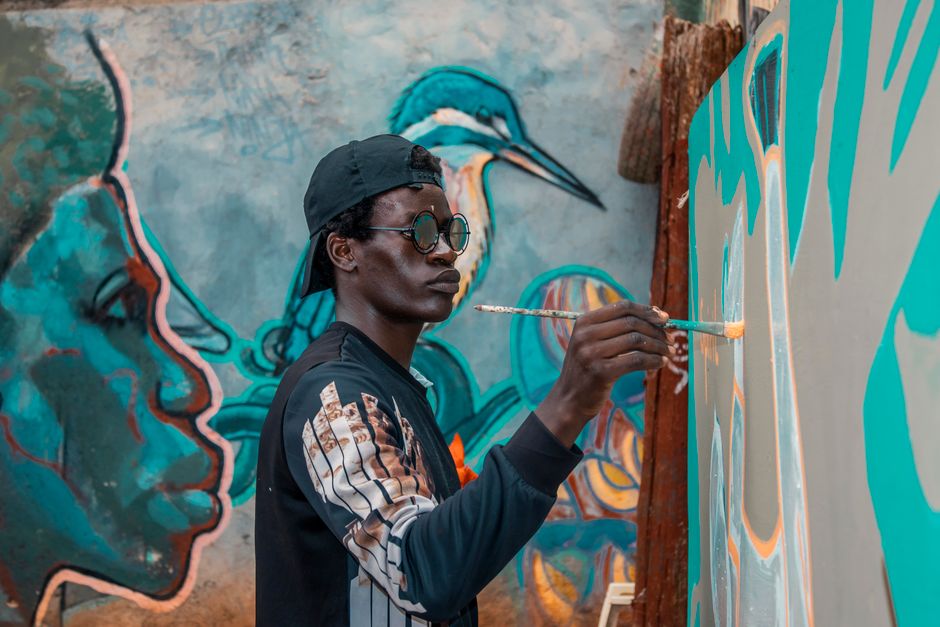
Walk through Kilimani on any given weekend and you'll find evidence of a quiet revolution. Where corporate sponsorship once dominated Nairobi's festival landscape, neighbourhood collectives are now orchestrating their own cultural moments—from street art festivals in Mathare to literary gatherings in the industrial spaces around Kaunda Street. The shift is neither accidental nor small.
What's driving this transformation is a community-led rejection of the old model. For years, Nairobi's cultural calendar was dictated by a handful of well-funded players: the Safari Rally, the fashion weeks, the international music festivals. Today, hyperlocal movements are filling the gaps with authenticity that commercial organisers struggle to replicate. The Nairobi Design Week, once a downtown institution, has morphed into a decentralised series of pop-up exhibitions across Westlands, Kilimani and Karen—each neighbourhood curating its own narrative.
The numbers tell the story. Since 2023, community-organised events in Nairobi have grown by approximately 340%, according to data from the city's informal culture sector networks. Participation in neighbourhood-specific cultural activities has nearly doubled, with ticket prices averaging between 500 and 2,000 shillings—a sharp contrast to the 10,000-plus barrier imposed by international festivals that have long alienated ordinary Nairobi residents.
Eastlands neighbourhoods like Kayole and Embakasi, historically sidelined from the city's cultural narrative, are now hosting regular music showcases and street theatre events. The message is unmistakable: cultural participation is no longer a luxury reserved for Nairobi's wealthy postcodes. Young organisers in these areas have recognised that grassroots festivals generate not just community pride, but economic spillover—local restaurants, transport operators and artists all benefit.
This movement reflects something deeper: a rejection of the city's colonial-era cultural hierarchy, where cultural value was determined by international standards and foreign currency. Today's festival organisers are asserting that Nairobi's culture belongs to Nairobi. The Kibera Cultural Festival, the Mathare Youth Centre's annual street art exhibitions, and the emerging music circuits in South C are all manifestations of the same philosophy.
The challenge now is sustainability. Many of these grassroots initiatives operate on shoestring budgets and volunteer labour. City authorities have been slow to recognise their importance, let alone provide logistical support. Yet the community momentum is undeniable. Nairobi's cultural future is being written not in boardrooms but on the streets—by people who believe their neighbourhoods deserve a seat at the cultural table.
This article was compiled by AI and screened before publishing. See our editorial standards.