Walk into the Kenya National Theatre on Harry Thuku Road on any given evening, and you'll witness something that would have seemed improbable a decade ago: a packed auditorium of Nairobians choosing live performance over streaming services. The theatre, freshly revitalised after years of decline, now hosts everything from contemporary dance to experimental film screenings—and it's just one marker of a broader cultural awakening reshaping how the city sees itself.
Nairobi's performing arts landscape has undergone a quiet revolution. Beyond the National Theatre, venues like the Alchemist in Kilimani and The Stable in Westlands have cultivated dedicated audiences willing to pay premium prices—KES 1,500 to 3,500 for theatre tickets—for locally produced work. This shift matters not merely as entertainment, but as cultural infrastructure. These spaces have become where Nairobians encounter their own stories, their own voices, their own visual language reflected back at them.
The film production ecosystem tells a parallel story. While international productions still dominate cinema screens, local independent filmmakers have carved out genuine space. Organisations like the Nairobi International Film Festival and venues such as the Camerapix studios in Westlands have created pathways for Kenyan storytellers to move beyond YouTube and festival circuits into legitimate theatrical releases. This year alone, at least four locally produced features are scheduled for cinema distribution—a number that would have seemed impossible five years ago.
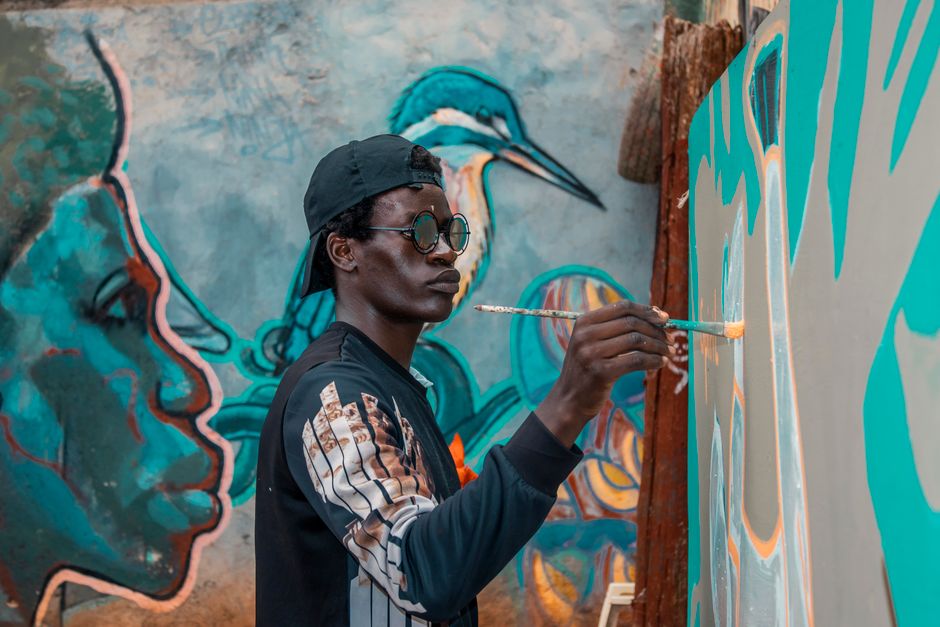
What distinguishes this moment is not merely growth in numbers, but a shift in creative control and narrative ownership. Mathare-based theatre collectives and Eastleigh-rooted film groups are no longer seeking permission to tell stories from traditional gatekeepers. They're creating their own venues, their own distribution networks, their own definitions of what Nairobi culture looks like. A production house based in Korogocho doesn't need approval from downtown institutions to claim legitimacy anymore.
This democratisation of storytelling has profound implications for identity. For decades, external narratives—international media, diaspora perspectives, foreign investment priorities—shaped how Nairobi understood itself. Now, a teenager in Kibra can watch a play about their neighbourhood written by someone who lives there. A young professional in Runda can see a film that reflects their anxieties without exoticisation or patronisation.
The economic reality remains constrained. Production budgets are tight. Many venues operate on razor-thin margins. Yet that scarcity has paradoxically sharpened creative ambition. Without Hollywood budgets, Nairobi's theatre and film sectors have developed distinctive aesthetics rooted in lived experience rather than imported templates.
As the city continues to evolve—facing housing pressures, infrastructure challenges, economic inequality—its performing arts are becoming essential articulation of who Nairobians are becoming. Not what outsiders imagine, but what residents insist on seeing reflected on stage and screen.
This article was compiled by AI and screened before publishing. See our editorial standards.