Nairobi's cultural landscape tells a story that refuses to stay in museums. Walking through the city today means navigating layers of history—from the colonial rail junction that became a metropolis to the thriving creative hub it is now. For visitors seeking to understand what makes Kenya's capital tick, these essentials matter.
Start in the heart of the old city centre. The railway station on Haile Selassie Avenue remains a working monument to 1899, when the Uganda Railway terminus transformed this plateau into a trading post. The adjacent Railway Museum houses locomotives and memorabilia that trace the iron road's role in shaping East Africa—entry costs around 400 shillings. Nearby, the Karen Blixen Museum on Bogani Lane preserves the Danish writer's former residence, offering insight into colonial domestic life and literary history that shaped international perceptions of Kenya.
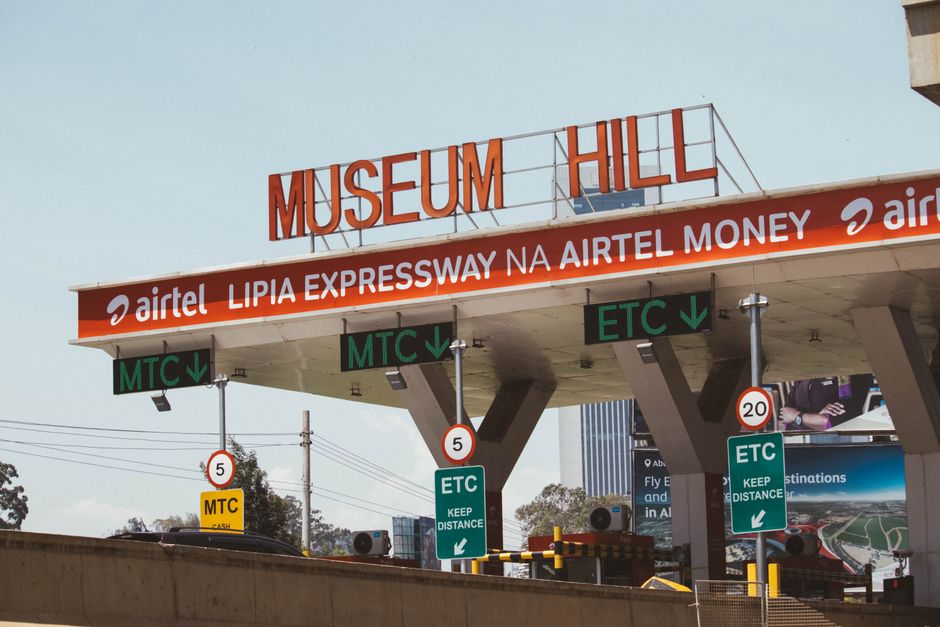
But Nairobi's identity extends far beyond colonial artifacts. The Nairobi National Museum on Museum Hill provides crucial context on precolonial societies, particularly the Maasai, Kikuyu and Swahili cultures that defined these lands centuries before European arrival. The museum's ethnographic collections and contemporary art installations bridge past and present, making it essential groundwork for understanding the city's cultural foundations.
For authentic encounters with living heritage, venture into Kibera and Mathare, where community-led cultural tourism initiatives offer visitors genuine engagement with informal settlement creativity—music studios, visual artists and food traditions that mainstream tourism often overlooks. Organizations like the Mathare Social Centre facilitate respectful visits that generate income for residents while challenging stereotypes.
Westlands and Kilimani neighbourhoods showcase how Nairobi processes its identity through contemporary means. The Circle Art Gallery, Karen Blixen Centre for photography, and spaces like The Nairobi Design Week venues demonstrate how artists interrogate history through modern mediums. Gallery Watatu on Lonrho House and the dozens of independent galleries along Ngong Road reflect a city actively reshaping its narrative.
Don't skip Langata's Giraffe Centre and the David Sheldrick Wildlife Trust—these aren't just tourist attractions but extensions of Kenya's conservation ethics, historically rooted in colonial game reserves but now driven by African-led environmental movements. They reveal how Nairobi negotiates humanity's relationship with the ecosystems surrounding the city.
The Swahili Coast's cultural influence permeates Nairobi's food scene and architecture. Seek out the old town's remaining coastal merchant houses and eat at establishments serving traditional coastal cuisine—not as museum pieces, but as living practices that traders and families have maintained for generations.
Understanding Nairobi means accepting contradiction: it's simultaneously the site of colonial extraction and African entrepreneurial dynamism, home to both heritage conservation and relentless reimagination. That tension is the real story.
This article was compiled by AI and screened before publishing. See our editorial standards.