Canvas and Concrete: Meet the Emerging Voices Reshaping Nairobi's Street Art Scene
As creative districts flourish across the city, a new generation of muralists and design collectives are challenging what public art means in Kenya's capital.
As creative districts flourish across the city, a new generation of muralists and design collectives are challenging what public art means in Kenya's capital.
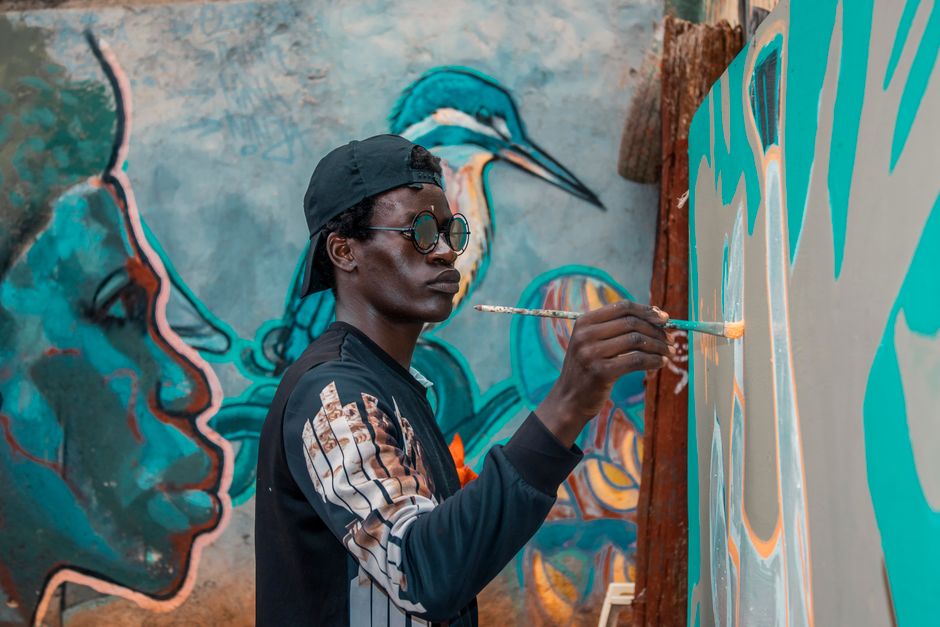
Walk down Kenyatta Avenue on any given weekend and you'll notice something has shifted. The grey concrete that once defined downtown Nairobi's industrial blocks is now a rotating gallery of colour—bold geometric patterns, commentary on urban life, and experimental typography that speaks to a younger, more audacious creative class than the city has seen before.
The transformation is most visible in emerging creative hubs like the Mathare Valley design quarter and the rapidly evolving Westlands creative corridor, where a cohort of artists in their mid-twenties to early thirties are redefining what street art means in a city increasingly seen as East Africa's cultural epicentre. Unlike the established muralists who shaped Nairobi's public aesthetic over the past decade, this wave is more collaborative, digitally native, and intentionally political—treating walls not just as canvases, but as platforms for social conversation.
The economic opportunity is real. Studio rental in emerging creative zones like Kilimani and parts of Karen now averages between 15,000 and 35,000 Kenyan shillings monthly, making them accessible to younger practitioners. Meanwhile, corporate commissions—previously rare—are becoming standard, with local tech companies and lifestyle brands actively seeking emerging talent to activate their spaces.
What distinguishes this cohort is their cross-disciplinary approach. Many work simultaneously in digital design, graphic design, and physical muralism, treating the street as an extension of their broader creative practice rather than a separate medium. This fluidity has attracted international attention; several young Nairobi-based collectives have been selected for regional art residencies and cross-border collaborations across East Africa in the past eighteen months.
The infrastructure supporting them is growing, too. Artist-run spaces in Industrial Area and Nairobi's evolving creative zones now offer studio sharing, mentorship programmes, and regular public showcases. Community engagement platforms have made it easier for emerging creators to secure walls—a marked shift from the ad-hoc negotiations that characterised earlier generations.
Yet challenges remain. Commercialisation pressures, gentrification concerns, and questions about who controls narrative in public space are creating productive tensions within the scene. These are conversations that will define how Nairobi's street art evolves over the next five years.
For now, the emerging voices are speaking clearly: Nairobi's streets are no longer just backdrops. They're arenas for a new creative generation to shape the city's visual identity—and they're just getting started.
This article was compiled by AI and screened before publishing. See our editorial standards.
How does this story make you feel?
Spread the word
About this article
Published by The Daily Nairobi
Daily brief
Free, in your inbox before 7am. Weekdays.
More in culture


