Street Art Nairobi: Eastleigh & Pangani's Creative Renaissance
Discover how Nairobi's street art scene is transforming Eastleigh and Pangani into cultural destinations. Local artists reshape overlooked neighbourhoods.
Discover how Nairobi's street art scene is transforming Eastleigh and Pangani into cultural destinations. Local artists reshape overlooked neighbourhoods.
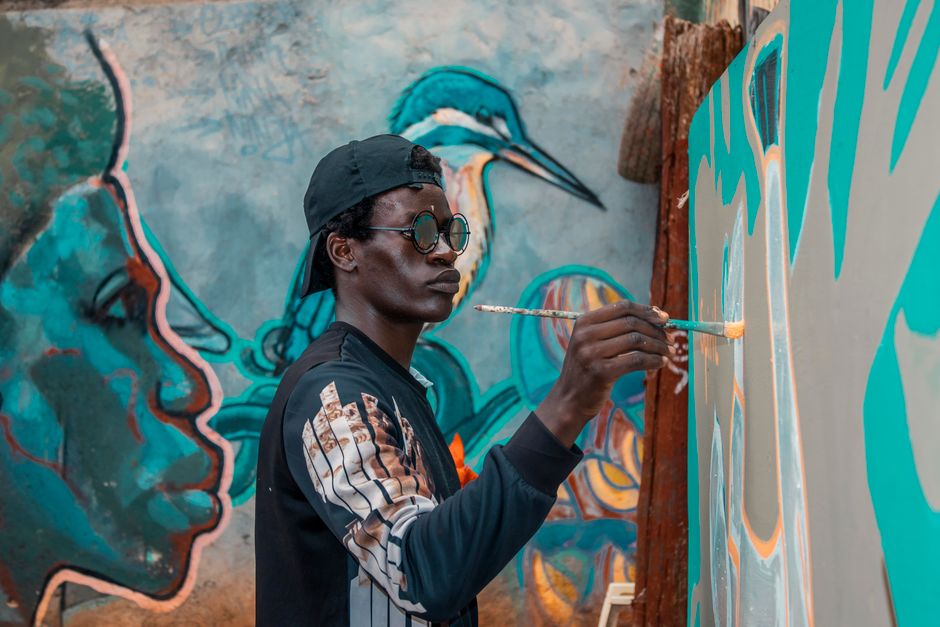
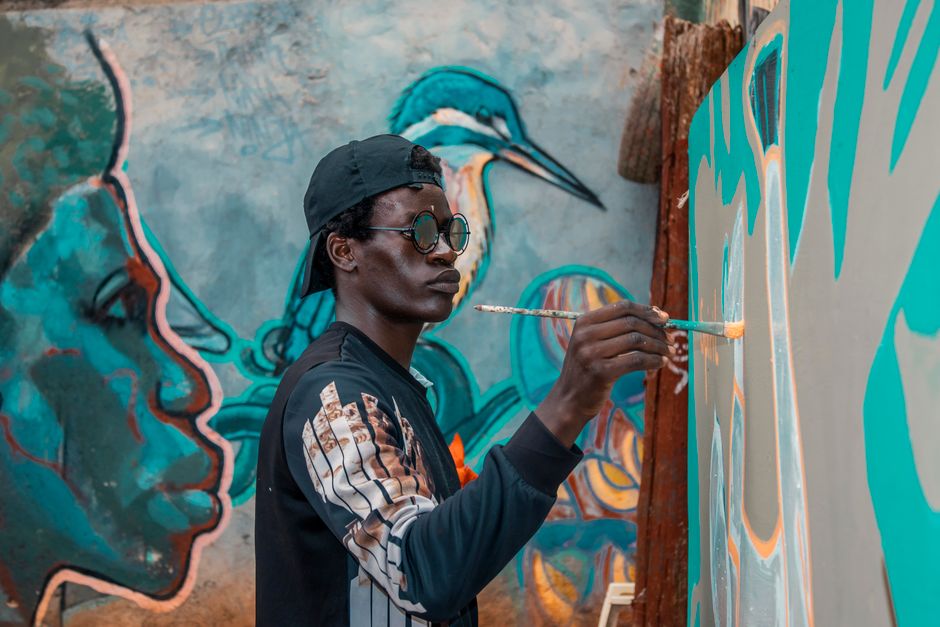
Walk down Haile Selassie Avenue in Eastleigh on any Saturday morning, and you'll encounter something that would have seemed impossible five years ago: carefully curated street art installations, design-conscious cafés, and crowds of young Nairobians treating the area as a destination rather than a transit zone. This shift isn't accidental. It reflects a broader reckoning about how Nairobi's creative communities are reclaiming and redefining urban spaces that the city's formal planning apparatus has long ignored.
The momentum is real. Over the past eighteen months, three major street art initiatives have taken root in neighbourhoods that rarely appear in glossy city guides. The Pangani Design Corridor—anchored by independent galleries and creative studios clustered along Ngong Road—has attracted young architects and visual artists priced out of Westlands. Meanwhile, the Nairobi Mural Project, a collaborative effort between local artists and community organisations, has completed over 200 murals across River Road, Parklands, and Buruburu, each telling stories rooted in neighbourhood history rather than corporate aesthetics.
What's driving this momentum? Several forces converge. Rising commercial rents in traditional creative hubs have pushed emerging artists eastward and southward. Simultaneously, property owners in transitional neighbourhoods recognise that vibrant street art increases foot traffic and, eventually, property values. Young Nairobians—particularly Gen Z creatives—are actively seeking out these spaces as authentic alternatives to increasingly sanitised downtown areas. Social media amplification matters too; Instagram-worthy murals in Eastleigh now attract visitors who might never have ventured there otherwise.
The economics are shifting. A modest studio space in Pangani now rents for between 8,000 and 15,000 shillings monthly, compared to 30,000-plus in prime central locations. Design boutiques, artist collectives, and independent bookshops are clustering accordingly. The Nairobi Design Week 2025 report noted that creative workers now constitute 4.2% of the city's formal workforce, up from 2.1% in 2019—a doubling that correlates directly with decentralisation away from the CBD.
Yet this renaissance carries risks. Cultural gentrification looms. As these neighbourhoods become fashionable, original residents face displacement pressures. Some community leaders worry that street art becomes window dressing for development that ultimately excludes the very people whose stories the murals celebrate.
For now, though, Nairobi is experiencing something genuinely creative: neighbourhoods not designed by urban planners, but shaped organically by artists, residents, and entrepreneurs collaborating without permission. That's what locals are talking about—and it matters because it suggests how the city might evolve beyond top-down master plans into something messier, more authentic, and undeniably alive.
This article was compiled by AI and screened before publishing. See our editorial standards.
How does this story make you feel?
Spread the word
About this article
Published by The Daily Nairobi
Daily brief
Free, in your inbox before 7am. Weekdays.
More in culture