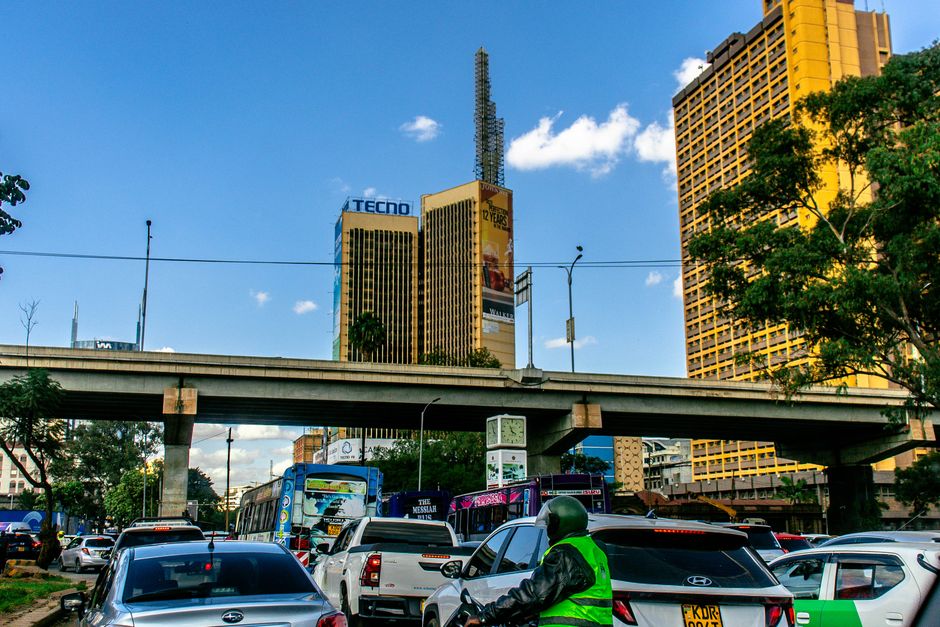
Nairobi's housing landscape shifted noticeably this week when the City Council's Planning and Development Committee approved a contentious zoning amendment for a 4.2-hectare parcel in Westlands, clearing the way for a mixed-use development that proponents argue could inject much-needed affordable stock into the market—though critics worry it will simply drive up property values instead.
The decision, announced Wednesday morning, permits developers to construct residential units alongside commercial and office space on land previously zoned exclusively for commercial use. The amendment covers territory between Mpesi Lane and Limuru Road, an area currently valued at approximately Ksh 45 million per hectare, among Nairobi's priciest.
"This represents a pragmatic response to the reality that single-use zoning has failed our city," said a spokesperson for the Nairobi Metropolitan Planning Service, noting that the capital currently faces a shortage of over 200,000 housing units. Current estimates suggest the deficit costs the economy roughly Ksh 2.1 trillion annually in lost productivity and infrastructure strain.
The amendment emerged following months of negotiations between City Hall, private developers, and resident associations. It requires that at least 15 percent of residential units be classified as "affordable"—a threshold defined as housing priced below Ksh 6 million in Nairobi's formal market, though activists have argued this remains inaccessible to the majority of residents earning below Ksh 50,000 monthly.
The decision reflects broader momentum within Nairobi's planning establishment to reimagine how the city grows. Recent months have witnessed accelerated approvals for vertical development in previously restricted zones—including contentious high-rise projects in South B and proposals to densify neighbourhoods like Kilimani and Lavington.
However, the amendment has sparked immediate backlash from Westlands residents and conservation groups concerned about congestion, parking scarcity, and water stress in an area already grappling with infrastructure challenges. Residents point to recent gridlock on Limuru Road and ongoing water-rationing initiatives as evidence the infrastructure cannot absorb rapid densification.
The approval comes as Nairobi continues struggling with informal settlements housing roughly 60 percent of the metropolitan population. Groups like the Pamoja Trust have called for the city to prioritise affordable housing in lower-income zones rather than premium neighbourhoods, arguing current policies entrench inequality.
Implementation timelines remain unclear. The committee indicated that developers must secure environmental approvals and present detailed master plans by September, with construction potentially beginning in late 2026. The developments will be watched closely as a bellwether for how aggressively Nairobi intends to reshape its housing and planning framework in coming years.
This article was compiled by AI from the sources linked above and screened before publishing. See our editorial standards.