Inside Kenya's Education Crisis: What the Numbers Reveal About Student Access and Dropout Rates
Fresh data from the Ministry of Education and independent audits expose troubling disparities in learning outcomes across Nairobi's socioeconomic divide.
Fresh data from the Ministry of Education and independent audits expose troubling disparities in learning outcomes across Nairobi's socioeconomic divide.
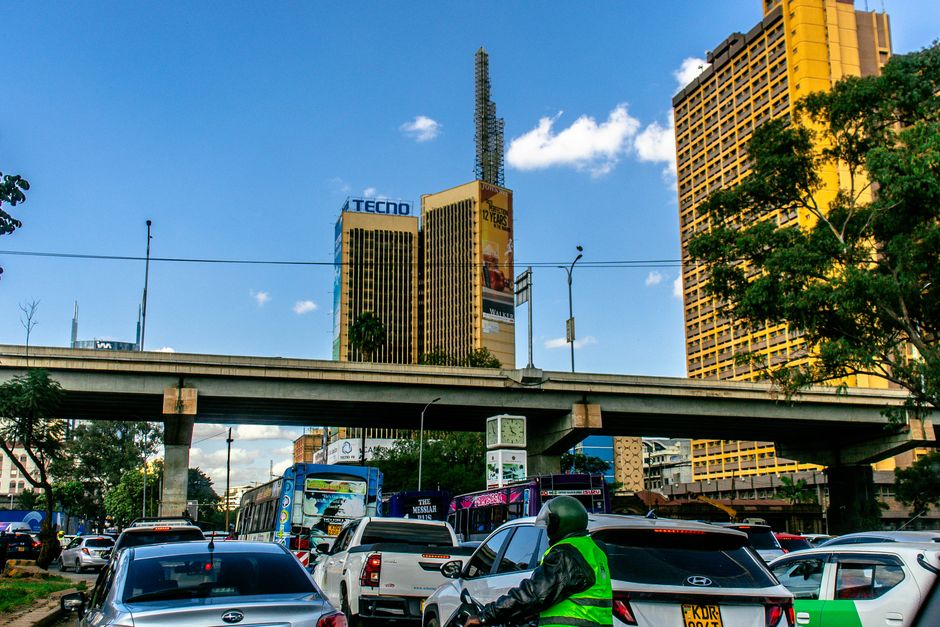
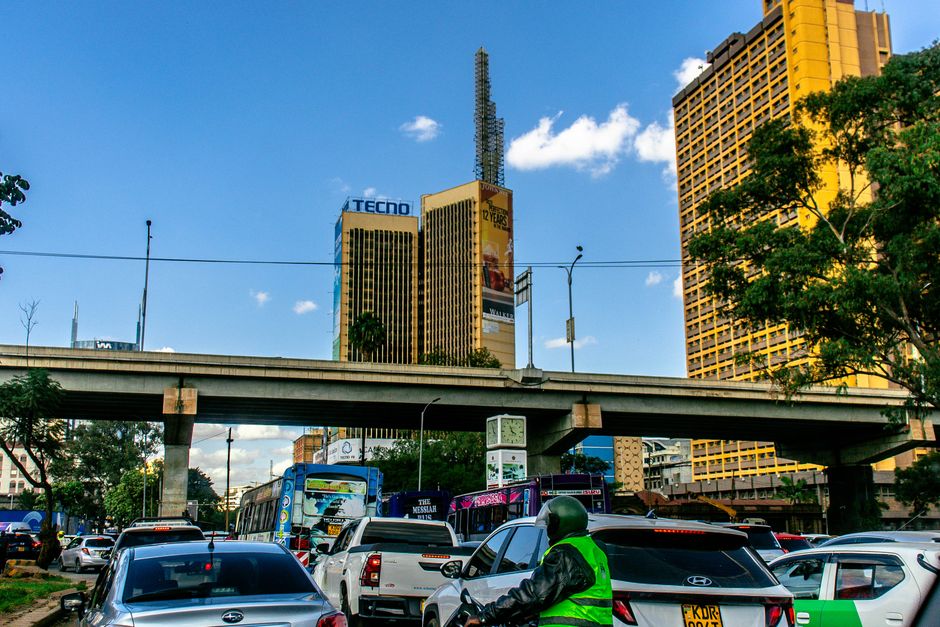
While Nairobi's skyline gleams with new office towers and shopping malls, a parallel reality emerges in the classrooms of Kibera, Mathare, and Eastleigh: education access remains stubbornly unequal, according to newly released statistical analysis covering the past three academic years.
The numbers paint a sobering picture. According to data compiled by the Kenya Institute for Public Policy Research and Analysis (KIPPRA), only 64% of students enrolled in public secondary schools across Nairobi complete their four-year programme. In contrast, private institutions in affluent areas like Westlands and Upper Hill report completion rates exceeding 92%. The Ministry of Education's own figures show that between 2023 and 2026, approximately 28,400 students dropped out of Nairobi's secondary schools—averaging 9,466 annually.
Poverty remains the primary culprit. Research from the Nairobi-based Centre for Economic and Social Rights indicates that school fees, uniforms, and transport costs consume an average of 34% of household income in informal settlements, compared to just 8% in formally employed households. A student commuting from Kawangware to a school in the Karen or Kilimani districts spends roughly 450 shillings daily—nearly half the daily income of families below the poverty line.
University progression tells a similar story. Data released by the Higher Education Loans Board (HELB) shows that only 34% of students from public day schools in Nairobi's lower-income zones advance to tertiary education, against 78% from well-resourced private schools. The average admission score required for public universities sits at 58 points, yet first-year statistics reveal that students from marginalized areas require significantly more remedial support.
Infrastructure inequities compound these challenges. A 2025 audit by Education International and local NGOs documented that schools in Embakasi and Dagoretti divisions operate at 168% capacity—far exceeding the UNESCO-recommended 50-student-per-class ratio—while select institutions along Nairobi's ridge have class sizes averaging 28 students. Teacher-to-student ratios swing wildly: 1:85 in some public schools versus 1:12 in private institutions.
Perhaps most alarming: the learning poverty index. An independent assessment found that 71% of Nairobi's Grade 4 students cannot read a simple sentence in English, mirroring national trends that mask deep geographic clustering. Students in Kilimani perform 3.2 grade levels ahead of peers in Starehe.
As Nairobi continues its rapid urbanization, these statistical disparities demand urgent policy intervention—or risk entrenching inequality for generations to come.
This article was compiled by AI from the sources linked above and screened before publishing. See our editorial standards.
How does this story make you feel?
Spread the word
About this article
Published by The Daily Nairobi
Daily brief
Free, in your inbox before 7am. Weekdays.
More in News