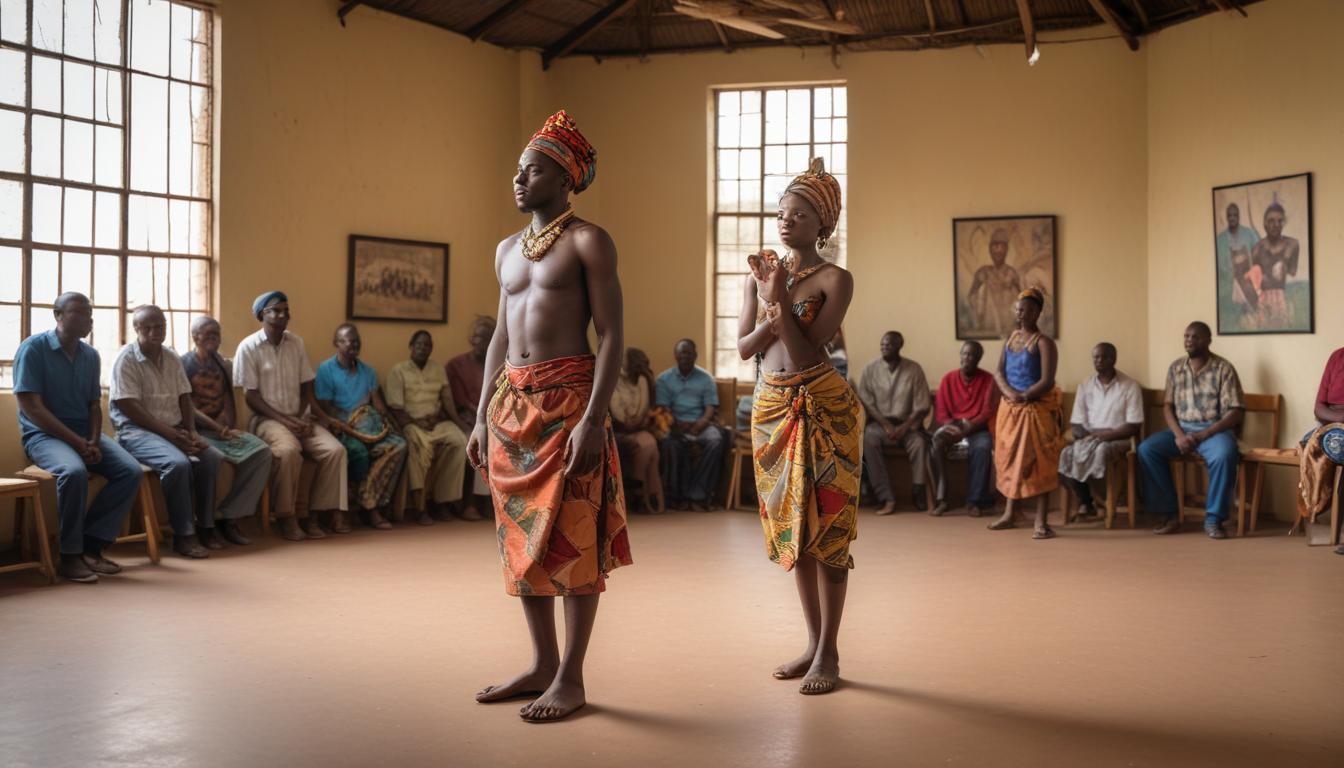
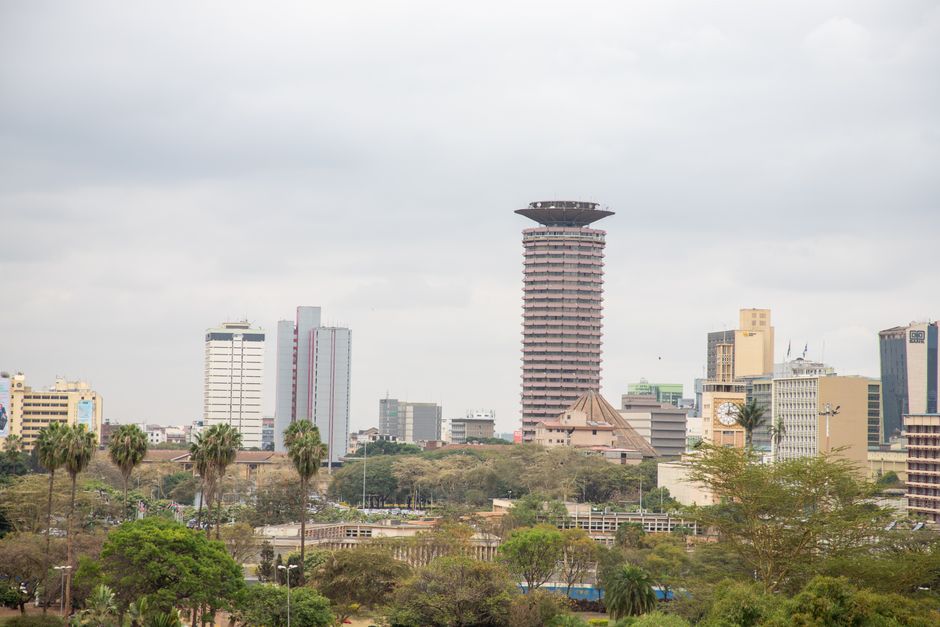
Walk down Harry Thuku Road on any Thursday evening and you'll encounter something that seemed improbable a decade ago: queues of young Nairobians waiting to enter intimate theatre spaces, eager for locally produced drama, dance, and experimental performance. This cultural momentum didn't emerge spontaneously. It was built, brick by brick, by a determined network of artists, producers, and venue owners who refused to accept that Nairobi's performing arts sector was limited to tourist-focused productions and international touring companies.
The transformation began in earnest around 2019, when a handful of independent practitioners started converting underutilised spaces in Westlands, Kilimani, and around the Upper Hill area into performance venues. These weren't lavish operations. Most operated on shoestring budgets, with founders investing personal savings to renovate old office buildings and commercial spaces. Ticket prices—typically between Ksh 500 and Ksh 2,500—were deliberately kept accessible to younger audiences, a demographic largely priced out of Kenya's established cultural institutions.
What distinguishes this movement is its deliberate focus on Kenyan storytelling. While Nairobi's National Theatre and major hotels continue programming international acts, independent venues have become laboratories for local playwrights, choreographers, and multimedia artists. Production runs that once lasted a single weekend now extend to multiple weeks, indicating sustained audience appetite. Digital platforms have amplified reach; some productions recorded during 2020-2021 lockdowns accumulated millions of views across streaming services.
The infrastructure supporting this scene has matured substantially. Artist collectives now provide mentorship networks, technical training programmes cost between Ksh 15,000 and Ksh 35,000 per participant, and emerging production companies have begun securing corporate sponsorships—a crucial revenue stream that institutional grant funding alone cannot sustain. Several venues have employed permanent technical staff, a rarity in Nairobi's arts sector five years ago.
The economic impact extends beyond ticket sales. Rehearsal studios, costume makers, lighting suppliers, and catering businesses have all benefited from increased demand. More significantly, the scene has created sustainable career pathways for young artists who previously faced the choice of abandoning their craft or relocating to Uganda, South Africa, or the diaspora.
As Nairobi positions itself as an African cultural hub, this grassroots ecosystem deserves recognition. The city's theatrical renaissance wasn't orchestrated by government policy or international development agencies. It emerged from the collective determination of artists who understood that cultural infrastructure, like any meaningful infrastructure, requires investment, vision, and relentless community effort.
This article was compiled by AI from the sources linked above and screened before publishing. See our editorial standards.