The Young Curators Reclaiming Nairobi's Forgotten Histories
A grassroots movement of artists and historians across Eastleigh, Parklands and the CBD is rewiring how the city remembers itself—one neighbourhood archive at a time.
A grassroots movement of artists and historians across Eastleigh, Parklands and the CBD is rewiring how the city remembers itself—one neighbourhood archive at a time.
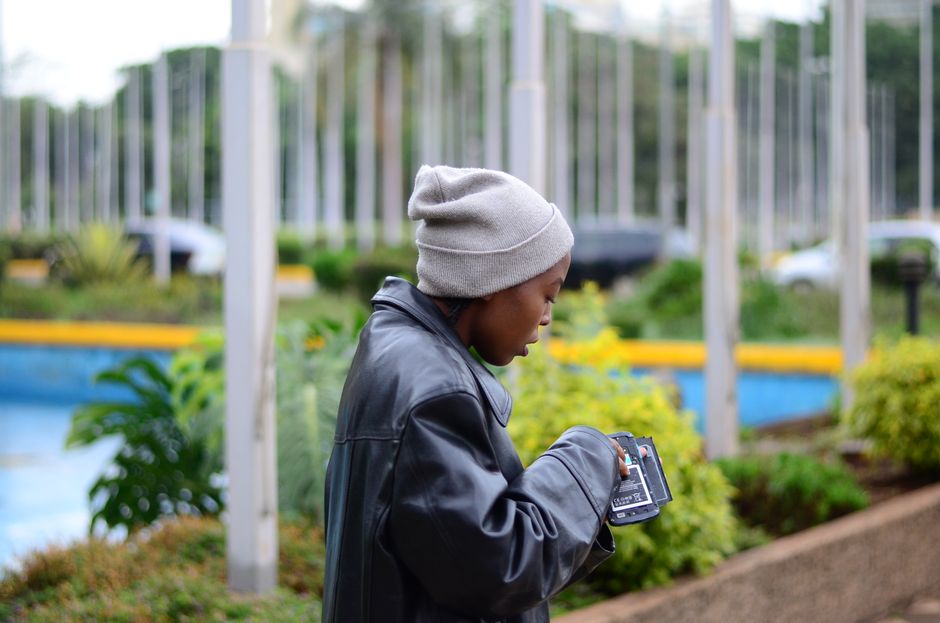
Walk through the narrow corridors of the City Market on a Saturday afternoon, and you'll find them hunched over dusty photograph collections, carefully cataloguing pre-independence shop fronts and hand-drawn maps of Nairobi's vanished street networks. They are the members of Pamoja Heritage, a volunteer-led collective that has grown from a dozen passionate researchers in 2023 to over 140 active contributors across Nairobi's oldest neighbourhoods.
"We realised that our city's memory was being erased faster than we could preserve it," says the movement's de facto coordinator, speaking over coffee in a cramped workspace tucked behind Kenyatta Avenue. "Every week, another colonial-era building comes down without anyone documenting what it meant to the communities that built their lives there."
The shift is palpable. Where tourism boards once monopolised Nairobi's narrative, young archivists—many under 30, some still university students—now lead walking tours through Parklands, explaining the architectural significance of deteriorating mansions. Pop-up exhibitions in Nairobi's West End have drawn crowds of 500-plus, with admission set at a deliberately accessible 150 shillings. Last month, a collaborative digital map project launched, crowdsourcing oral histories from residents who remember Nairobi before 1980.
The movement reflects a broader cultural reckoning. Following years of rapid development and gentrification, a new generation is questioning what gets preserved and whose histories matter. Community meetings in Eastleigh, traditionally associated with Somali heritage, now bring together multi-ethnic groups to document how neighbourhoods evolved. The Nairobi City County has begun consulting these grassroots archivists—a significant shift from top-down heritage management.
Pamoja Heritage partners with smaller organisations like the Mathare Social Centre and venues like Maara House in Kilimani, which now regularly host free archival workshops. They've digitised over 2,000 photographs and collected 80 recorded oral histories, accessible via a website that attracts roughly 1,200 visitors monthly.
Critics note the movement remains predominantly urban and educated. Yet its energy is undeniable. Last week, after a community campaign, the Nairobi City County delayed demolition permits for two heritage buildings in River Road, pending heritage assessment—a first.
What drives this movement? Partly nostalgia, partly activism. Mostly, it's young Nairobians refusing to inherit a city whose past has been forgotten by those who profit from its future. In reclaiming neighbourhood histories, they're doing something quietly radical: insisting that Nairobi's identity belongs to everyone who built it.
This article was compiled by AI from the sources linked above and screened before publishing. See our editorial standards.
How does this story make you feel?
Spread the word
About this article
Published by The Daily Nairobi
Daily brief
Free, in your inbox before 7am. Weekdays.
More in culture