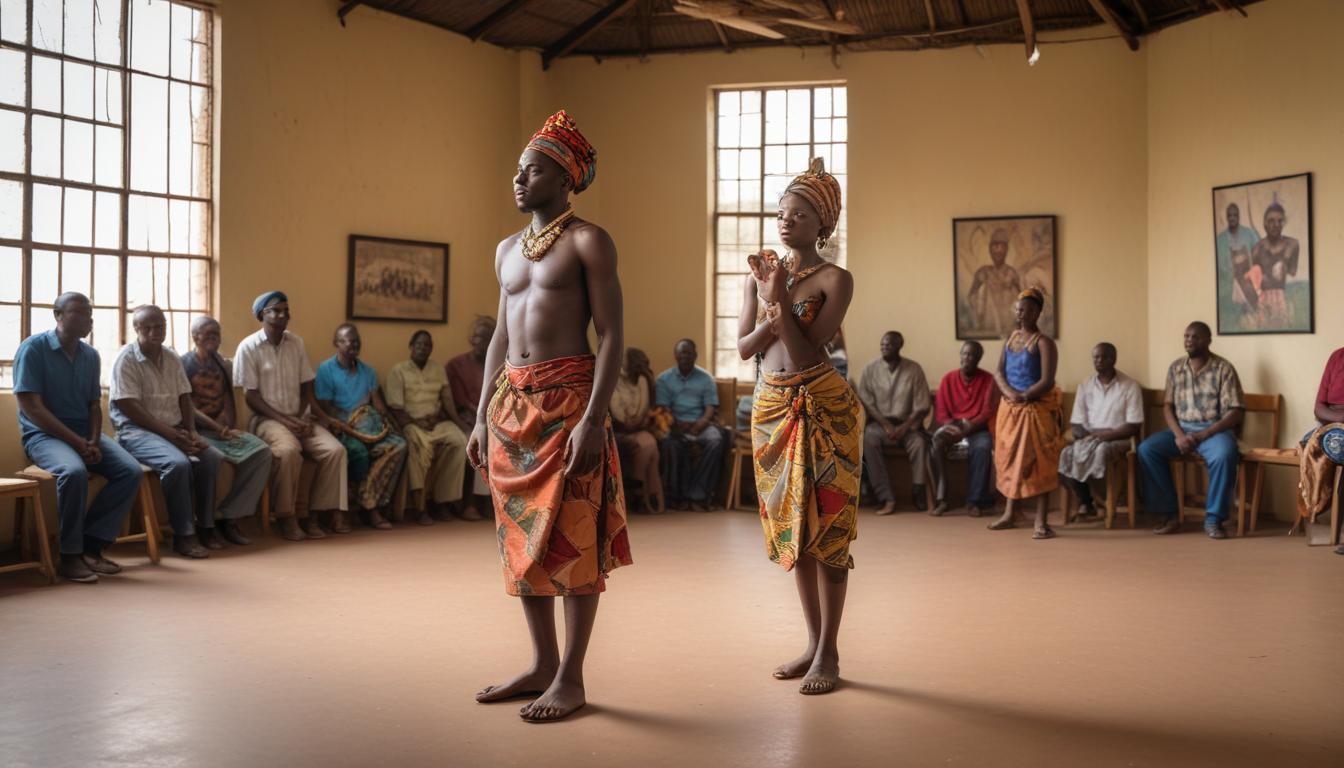
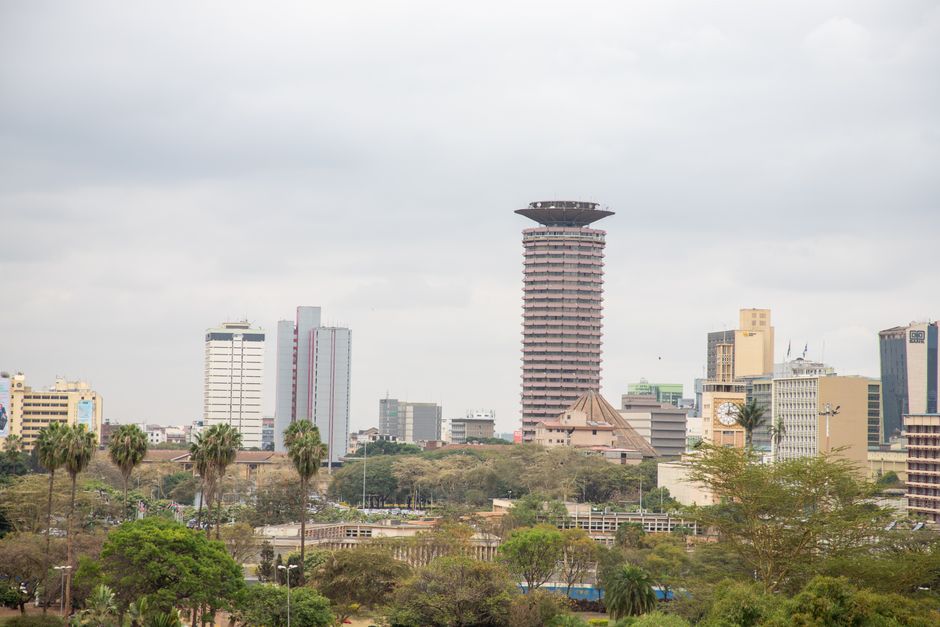
Walk through the narrow corridors of Kibera's Design Hub on a Friday afternoon, and you'll encounter something quietly revolutionary: young Nairobi designers sketching patterns inspired by Maasai beadwork, sustainable fashion entrepreneurs sourcing organic cotton from Kenyan farms, and emerging creatives whose work is being shipped to boutiques in Brooklyn and Berlin. This isn't the Nairobi of five years ago. The city's fashion and design industries have become far more than commercial enterprises—they are now the primary lens through which the city defines itself culturally.
The numbers tell the story. Kenya's creative industries contributed approximately 3.2% to GDP in 2025, with fashion design accounting for nearly 40% of that figure. More significantly, Nairobi has become home to over 2,000 registered fashion designers and design studios, a 65% increase since 2020. Spaces like the Nairobi Design Week (held annually in September) now attract international press, while the newly renovated design quarter along Mombasa Road has become a pilgrimage site for creatives and investors alike.
What makes this moment particularly significant is how local designers are reclaiming Nairobi's cultural narrative. Rather than mimicking European or American trends, designers like those working from studios in Kilimani and Karen are actively mining Kenya's textile heritage—indigo traditions, contemporary Kikoi patterns, and urban aesthetics—to create work that speaks globally while rooted locally. The integration of sustainable practices has become non-negotiable; many ateliers in Parklands now prioritize zero-waste production and fair-wage manufacturing.
The economic impact extends beyond the runway. Fashion design has become a genuine pathway to wealth creation for working-class Nairobians. A skilled tailor in Eastleigh can now earn between 150,000 to 400,000 shillings monthly through freelance design work—substantially above average wages. Youth training programs run by organizations centered in Korogocho have placed over 800 graduates in formal design roles since 2023.
Yet the industry faces challenges: inadequate access to capital, inconsistent electricity supply in peripheral design hubs, and international competition remain obstacles. Despite these, Nairobi's creative identity has fundamentally shifted. The city is no longer primarily known for tourism or finance; increasingly, it's recognized as a place where African creativity is reimagined and exported. Fashion design hasn't just become part of Nairobi's cultural identity—it has become its defining voice in conversation with the world.
This article was compiled by AI from the sources linked above and screened before publishing. See our editorial standards.