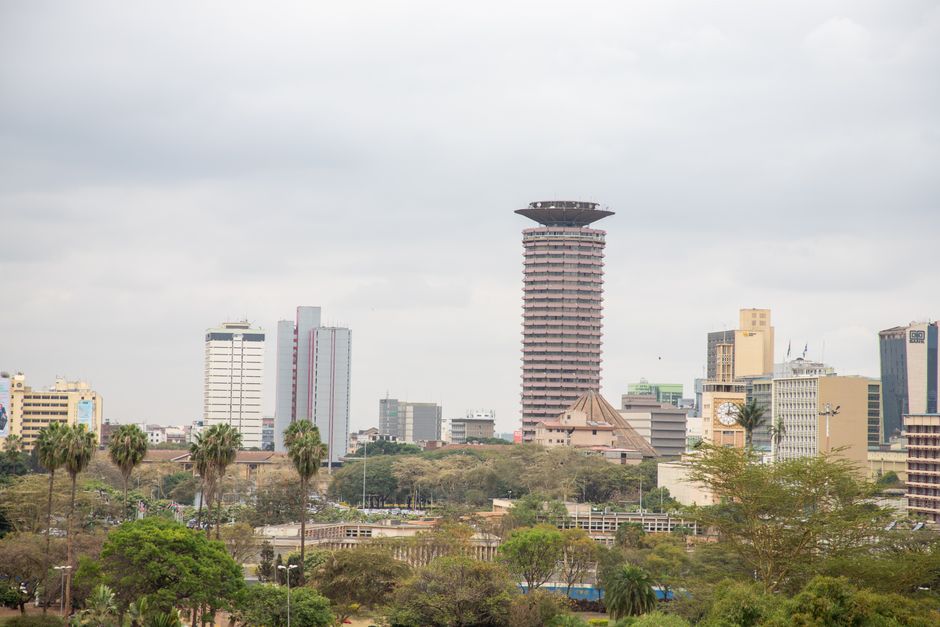
Contemporary Art Galleries Nairobi: Guide to Kilimani & Westlands
Discover Nairobi's thriving contemporary art scene across Kilimani, Westlands, and Parklands. Where to see African artists, gallery openings, and the $15M+ local art market.
Discover Nairobi's thriving contemporary art scene across Kilimani, Westlands, and Parklands. Where to see African artists, gallery openings, and the $15M+ local art market.
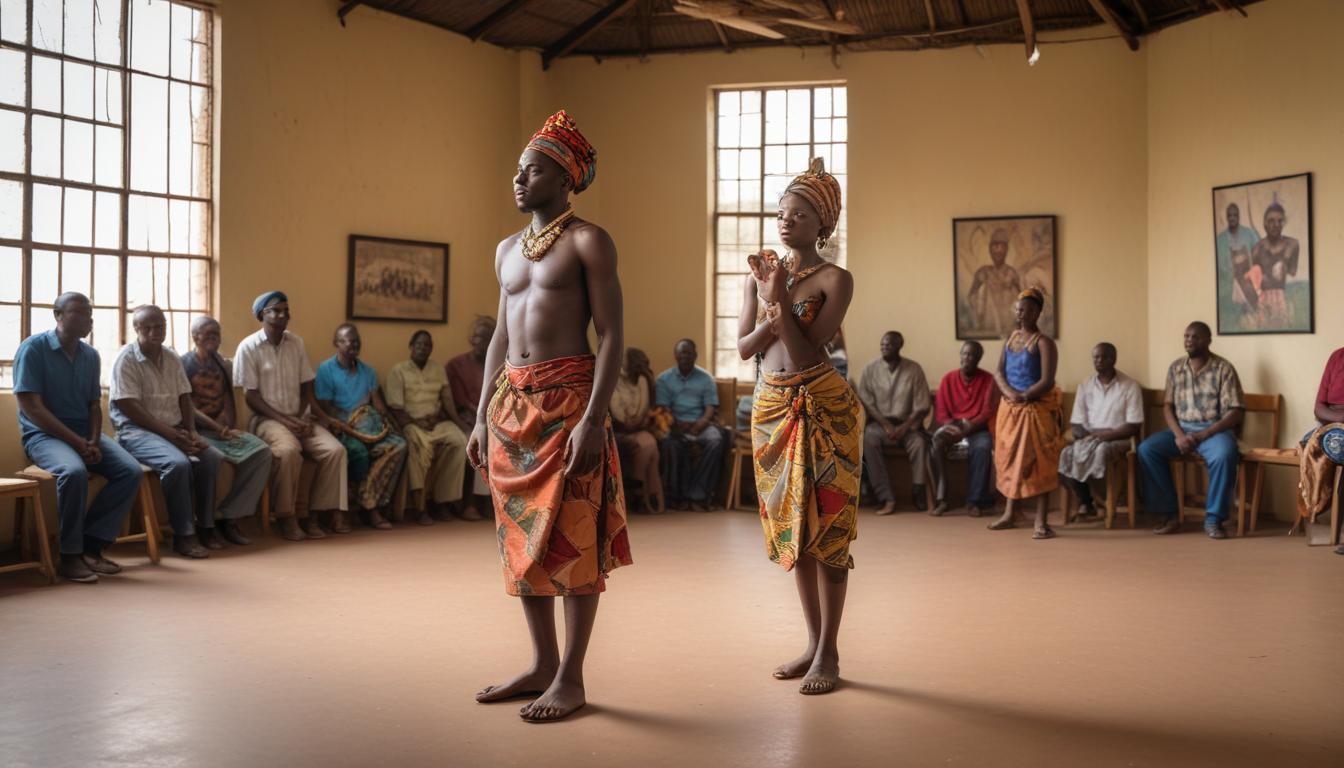
Walk through Westlands on a Friday evening and you'll encounter something that felt impossible a decade ago: gallery openings drawing hundreds, conversations about contemporary African art commanding real estate in the city's consciousness, and young artists no longer feeling compelled to chase recognition abroad before being taken seriously at home.
The transformation is palpable. The Nairobi Contemporary gallery space in Kilimani has become a cultural anchor, hosting exhibitions that attract collectors from across East Africa. Meanwhile, smaller independent galleries—clustered along Koinange Street and scattered through Parklands—have created an ecosystem where experimental work finds audiences willing to engage seriously. The Kenyan art market, valued at roughly $15-20 million annually according to industry observers, is increasingly driven by domestic collectors rather than external validation.
This isn't coincidental. It reflects a deliberate rewriting of Nairobi's identity. For decades, the city marketed itself primarily as a financial and tech hub—important roles, certainly, but incomplete. The explosive growth of gallery spaces, artist collectives, and museum programming has reframed the narrative. The National Museum has expanded its contemporary African art offerings, while initiatives like the Nairobi Design Week (which attracts over 5,000 visitors annually) position the city as a creative laboratory rather than merely a commerce center.
The economic data supports this shift. Gallery owners report sustained footfall, with emerging artists finding viable income through local sales rather than relying on grants or international residencies. Artists like those working in the Karen and Runda neighborhoods are building genuine careers here—something that seemed unlikely just five years ago.
But perhaps most significantly, this cultural flourishing is reshaping how Nairobi sees itself. In a region often defined by conflict, economic struggle, and external narratives, the galleries and museums offer something radical: space to define identity on local terms. Whether exploring Kenyan textile traditions at the Museum of African Contemporary Art or engaging with bold new work at smaller independent spaces, audiences are participating in a conversation about what African art—Kenyan art—actually is.
The scene remains young and fragile, dependent on a relatively small cohort of collectors and culturally engaged residents. But the momentum is undeniable. Nairobi's arts spaces have stopped being peripheral to the city's identity. They're now central to it—evidence that culture isn't decoration here, but essential infrastructure for how the city understands itself.
This article was compiled by AI from the sources linked above and screened before publishing. See our editorial standards.
How does this story make you feel?
Spread the word
About this article
Published by The Daily Nairobi
Daily brief
Free, in your inbox before 7am. Weekdays.
More in culture