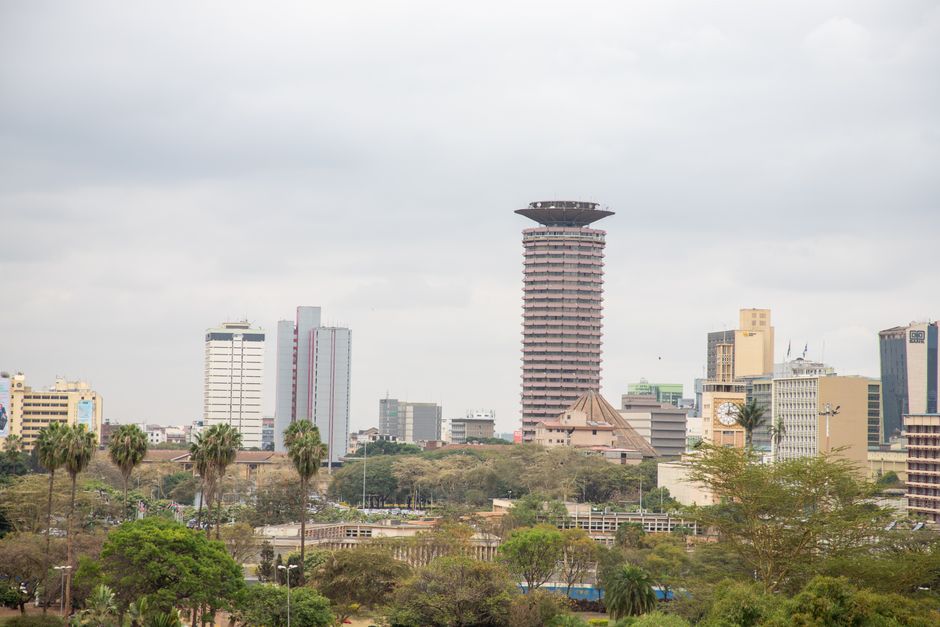
Nairobi's cultural landscape reads like a palimpsest. Visitors arriving at this East African hub often expect wildlife and safaris, but the city itself demands attention as a repository of contested histories, artistic resilience, and cultural hybridity that shaped modern Kenya.
Begin in the Old Town precinct around Tom Mboya Street and Moi Avenue, where 1920s colonial facades still frame the skyline. The Kenya National Museum on Museum Hill (entry: around 800 Kenyan shillings) houses essential context—from pre-colonial artefacts to independence memorabilia. But skip the sterile museum experience and walk to Nairobi's soul: the bustling Maasai Market in Westlands, where artisans sell beadwork and textiles rooted in pastoralist traditions, or venture to the Karen Blixen Museum in the leafy Karen neighbourhood, exploring both colonial nostalgia and its discontents through the lens of the Danish author's complicated legacy.
For contemporary cultural expression, Matbronze in the industrial Eastlands district showcases how young Nairobi artists reclaim township narratives through sculpture and installation. The Nairobi Design Week (held annually in September) transforms the city into a living gallery, particularly around the Industrial Area, where creative studios occupy repurposed warehouses.
The Kikuyu heritage that predates colonial arrival remains embedded in Nairobi's fabric. Visit the Gikuyu and Mumbi statue near Parliament, a monument to pre-colonial Kikuyu mythology, then head to the Nairobi City Market on Muindi Mbingu Street—operational since 1930—where vendors speak Kikuyu, Swahili, and English, embodying the city's linguistic pluralism. Local historians estimate over 40 languages are spoken daily across Nairobi's neighbourhoods.
Don't miss Parklands and Westlands for their Arab-Swahili influences—visit the Jami'a Mosque on Parklands Road, or browse the spice markets along River Road that echo historical trade routes connecting Nairobi to the East African coast. The restoration of Nairobi's Central Business District has also revealed Art Deco gems along Kimathi Street, photographed by heritage documentarians at the Nairobi Heritage Photo Archive.
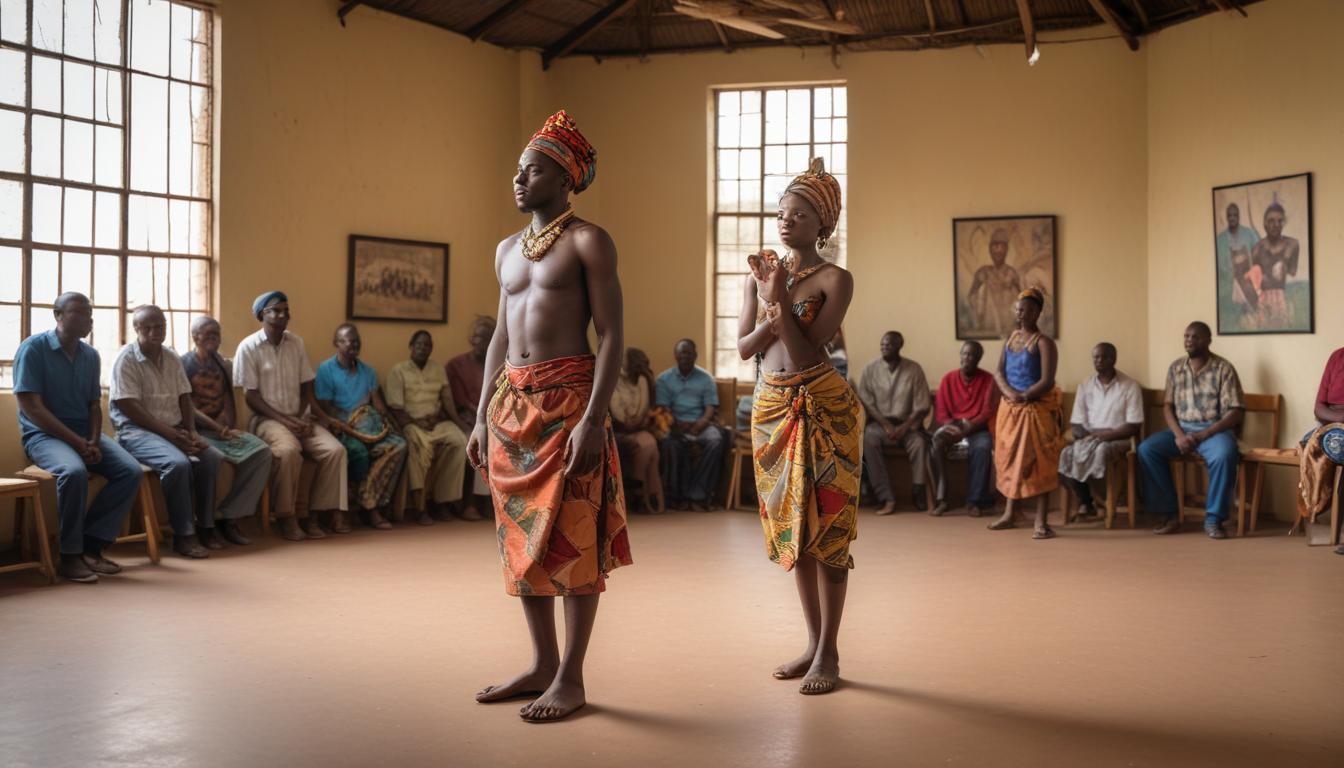
Critically, understanding Nairobi's culture means reckoning with displacement. The Korogocho and Kibera informal settlements, home to roughly 1 million residents, represent post-colonial urbanisation struggles absent from tourist itineraries—yet they pulse with community initiatives, theatre groups, and oral histories that define contemporary Kenyan identity.
Budget three to five days. Hire a knowledgeable local guide (rates: 3,000–5,000 shillings daily) fluent in Nairobi's layered chronologies. The city's identity isn't monolithic; it's contested, resilient, and unapologetically complex.
This article was compiled by AI from the sources linked above and screened before publishing. See our editorial standards.