Beyond the Gallery Walls: Nairobi's Emerging Artists Ready to Redefine the Conversation
A new generation of voices is reshaping Nairobi's arts scene, moving beyond traditional gallery spaces to challenge narratives and claim creative control.
A new generation of voices is reshaping Nairobi's arts scene, moving beyond traditional gallery spaces to challenge narratives and claim creative control.
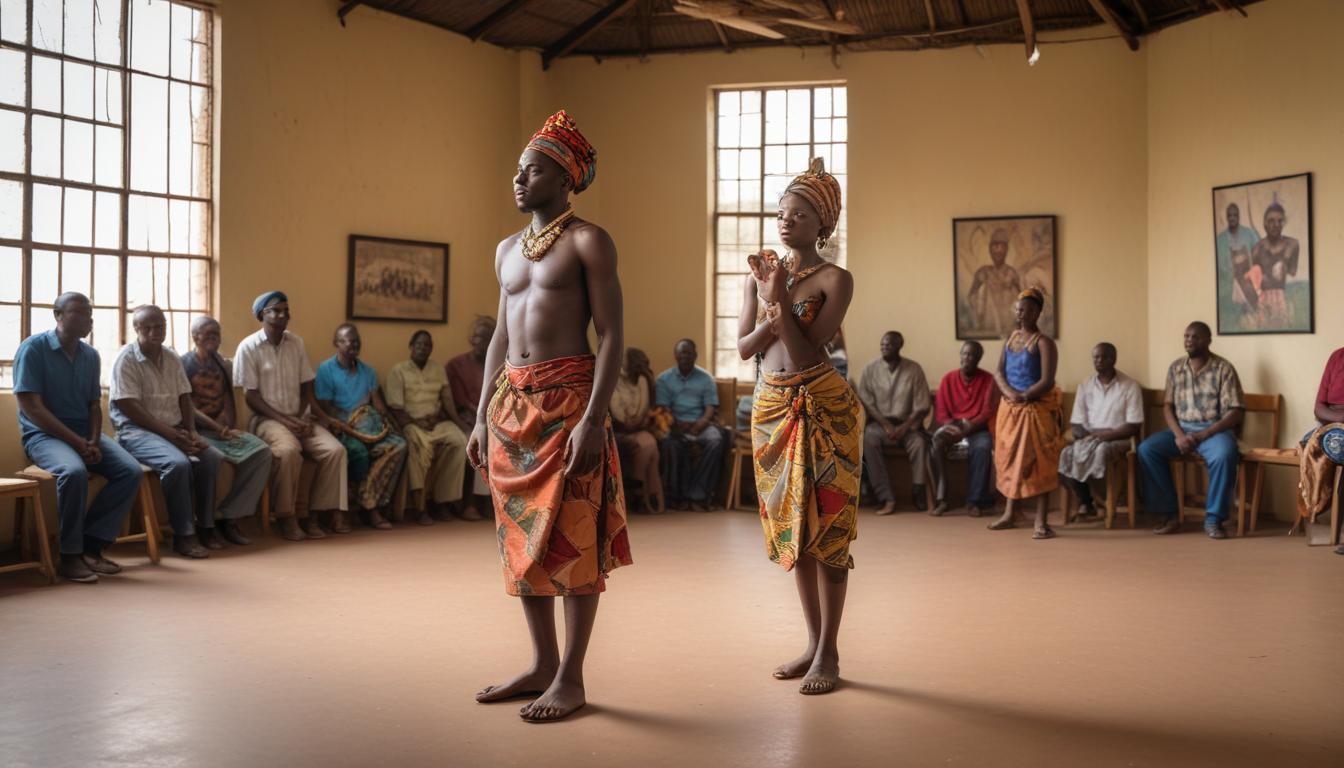
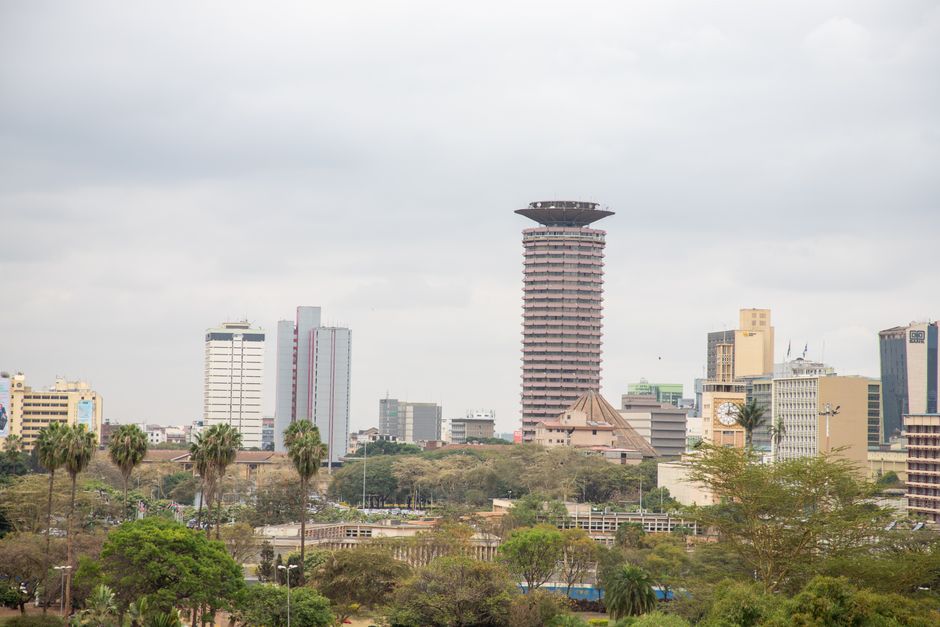
Walk down Ngong Road on any given weekend and you'll find yourself caught between the old guard and the new wave. Established galleries like Kuona Trust continue to anchor the cultural landscape, but a restless energy pulses through smaller collectives, pop-up spaces, and artist-run initiatives that are fundamentally altering how Nairobi thinks about contemporary art.
The shift is unmistakable. Where previous generations sought validation through white-walled gallery systems, emerging artists aged 25 to 35 are building parallel ecosystems. The Lower Hill neighbourhood, once dismissed as peripheral, has become a proving ground for experimental work. Studios tucked into converted warehouses on Nairobi's industrial periphery host late-night exhibitions that draw crowds comparable to formal openings—often without a single press release or institutional backing.
Gallery attendance figures from the Nairobi Arts Society reveal the fracture: traditional institutional spaces saw a 12 percent decline in visitor numbers last year, while independent artist collectives reported 34 percent growth. The price point matters too. Gallery entry fees averaging 500-1,000 shillings have given way to free or pay-what-you-wish models that younger artists argue democratise access to culture beyond the city's upper-middle-class enclaves.
What distinguishes this cohort isn't just their rejection of gatekeeping. Their work engages with distinctly contemporary anxieties: digital colonialism, climate anxiety, queer identity in urban spaces, and the politics of land and heritage in a rapidly gentrifying city. Unlike their predecessors, many studied art within Kenya itself—through institutions like Nairobi National Museum's curatorial programmes and Kenyatta University's contemporary art initiatives—rather than exclusively abroad. This has fostered a confidence in local aesthetic vocabularies.
Partnerships are sprouting between emerging artists and tech-forward venues. The Westlands-based IHUB has begun hosting quarterly exhibitions, while spaces like Nairobi's nascent digital art collectives are experimenting with NFT collaborations and virtual exhibition formats—moves that would have seemed antithetical to the city's art establishment five years ago.
Museum institutions are taking note. The National Museum's recent pledge to dedicate 30 percent of acquisition budgets to artists under 35 signals institutional recognition of this demographic's growing influence. Yet emerging voices remain cautious about co-optation. Many insist on maintaining editorial control and retaining profits rather than accepting percentage-based gallery commissions.
For those tracking Nairobi's cultural pulse, the question isn't whether this next wave will succeed—it's whether the city's institutional structures will adapt quickly enough to accommodate their vision without diluting it.
This article was compiled by AI from the sources linked above and screened before publishing. See our editorial standards.
How does this story make you feel?
Spread the word
About this article
Published by The Daily Nairobi
Daily brief
Free, in your inbox before 7am. Weekdays.
More in culture