Nairobi's performing arts landscape has undergone a quiet renaissance over the past five years, transforming the city into East Africa's most dynamic theatre hub. For visitors arriving with evening plans and cultural curiosity, navigating the scene requires a bit of insider knowledge—but the rewards are substantial.
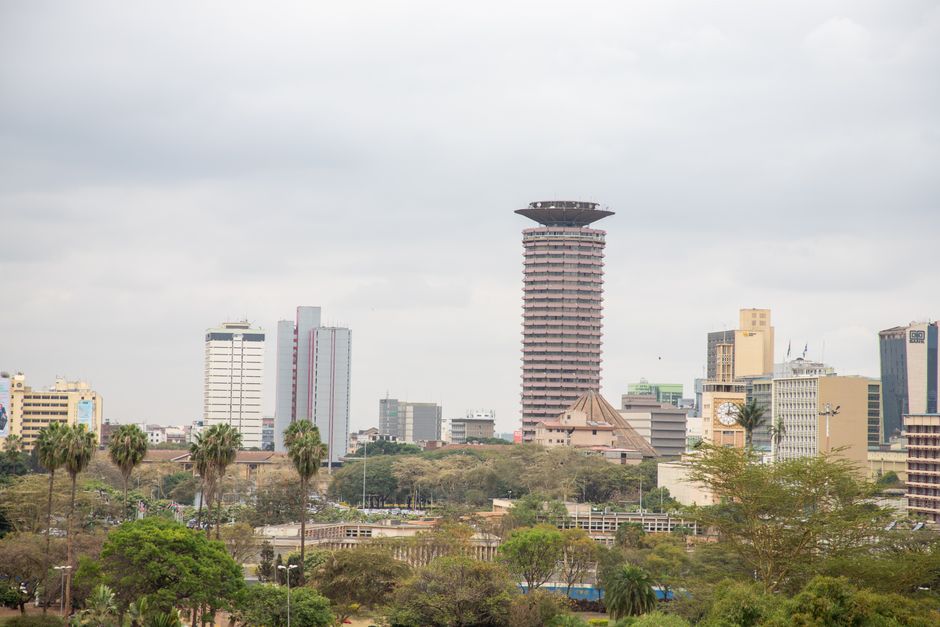
Start with the Kenya National Theatre on Harry Thuku Road in the city centre. This 900-seat institution, established in 1952, remains the flagship venue for major productions, hosting everything from contemporary Kenyan drama to international touring shows. Ticket prices typically range from 500 to 2,500 shillings (USD 4–20), making it accessible while maintaining high production standards. The theatre's recent renovations have improved sightlines and acoustics considerably.
For something more experimental, head to Alleyway Theatre in Kilimani, a 120-capacity black-box space where emerging playwrights and directors take creative risks. This is where you'll encounter visceral, socially-conscious work that reflects Nairobi's contemporary anxieties—from gender dynamics to urban displacement. Shows here typically cost 800–1,500 shillings.
Nairobi's visual and performing arts collective, based in various Westlands studios, has become a magnet for interdisciplinary work. The neighbourhood around Ridgeways and Chiromo Lane hosts several artist-run spaces hosting everything from dance-theatre hybrids to experimental music installations. These venues are smaller, more intimate, and often showcase work you won't see elsewhere in the region.
Don't overlook the Safari Park Hotel in Nairobi's periphery, which occasionally hosts large-scale productions and outdoor performances during the dry season. The setting—surrounded by acacia trees—creates an unusual theatrical atmosphere unavailable in conventional venues.
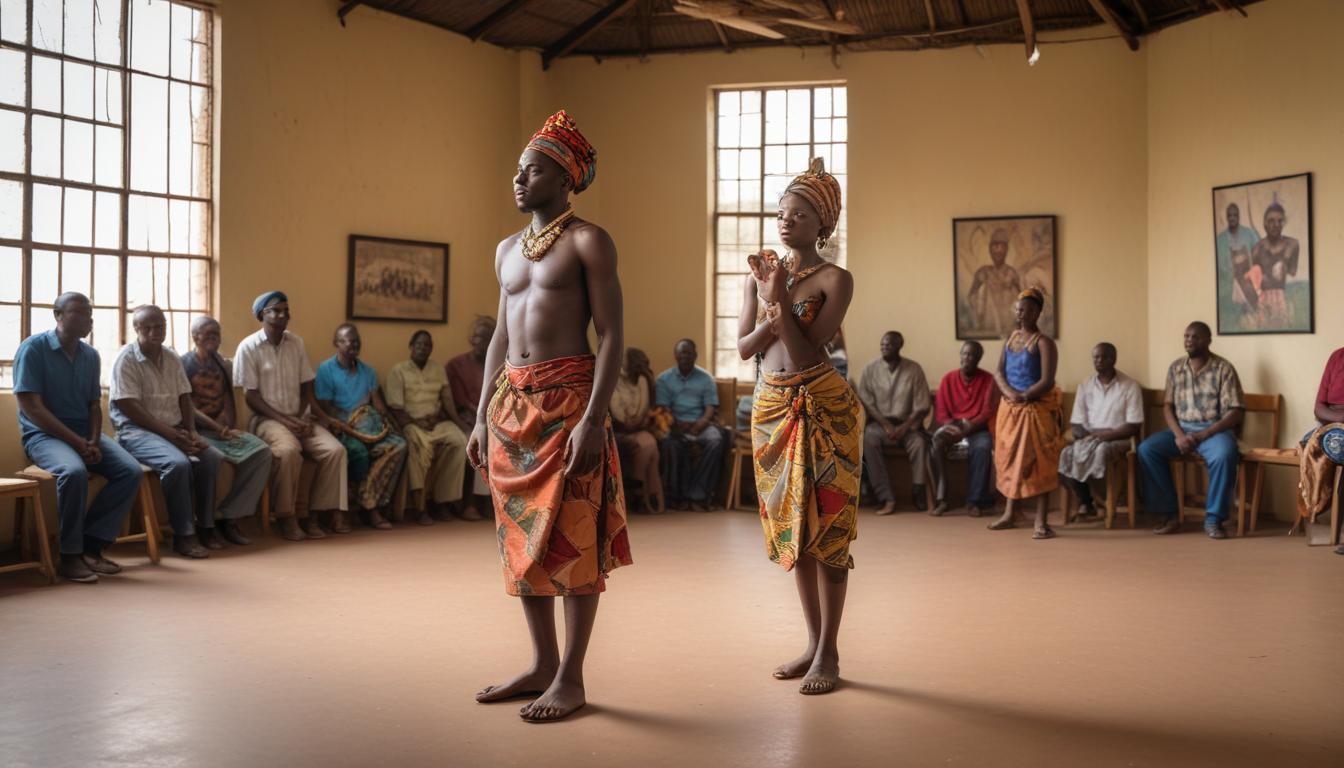
Dance deserves special mention. Nairobi's contemporary dance scene, influenced by both classical ballet training and African movement vocabularies, punches above its weight. Companies like Mabati Rolling Art and Nest Collective regularly produce work that has travelled to international festivals. Performances are usually advertised through social media and arts listings rather than traditional channels.
Timing matters: the busiest season runs June through August, when international visitors overlap with Kenya's school holidays. Book tickets in advance through venue websites or walk up an hour before showtime. Most performances begin at 7:30 or 8 p.m.
A final word: Nairobi's arts scene rewards curiosity and spontaneity. Chat with venue staff, check social media feeds of independent producers, and don't dismiss smaller productions. Some of East Africa's most innovative theatre happens in unmarked studio spaces that only dedicated followers know about—and visitors who find them often experience the most memorable evenings.
This article was compiled by AI from the sources linked above and screened before publishing. See our editorial standards.