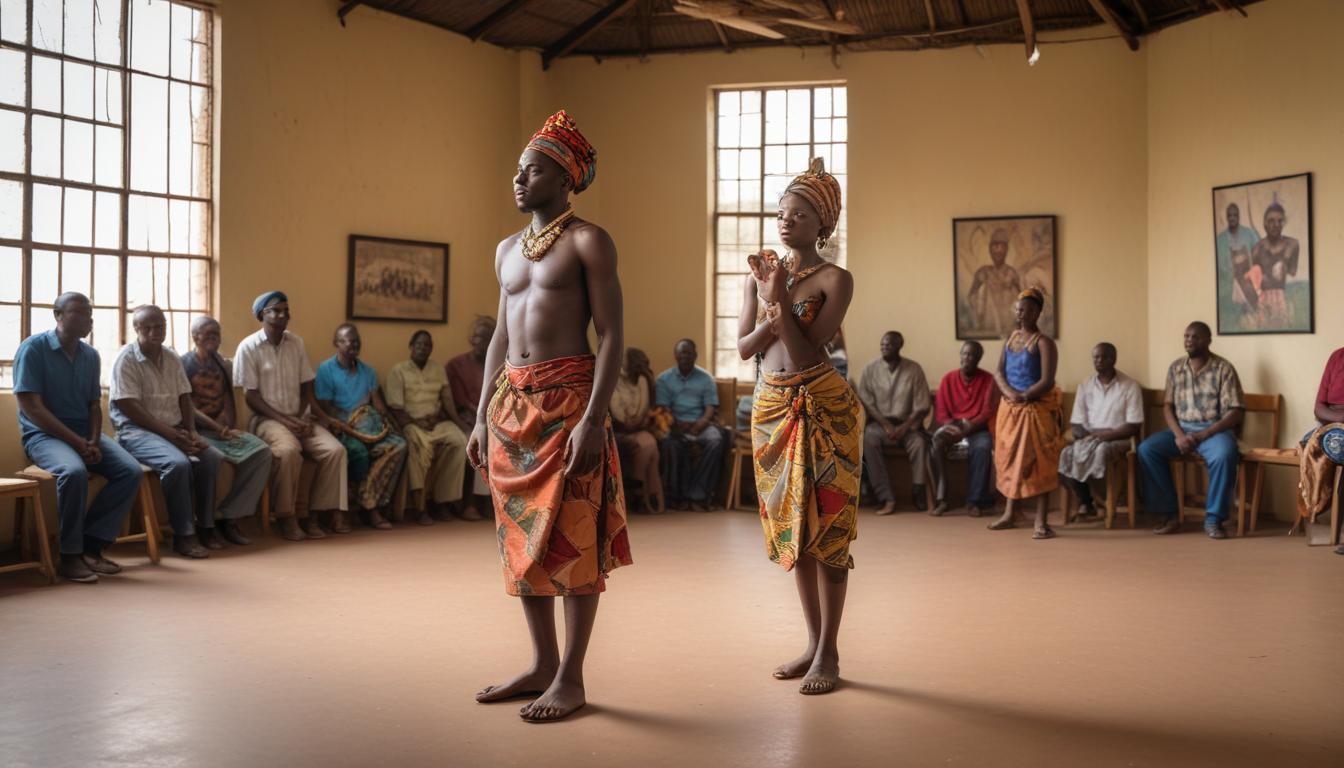
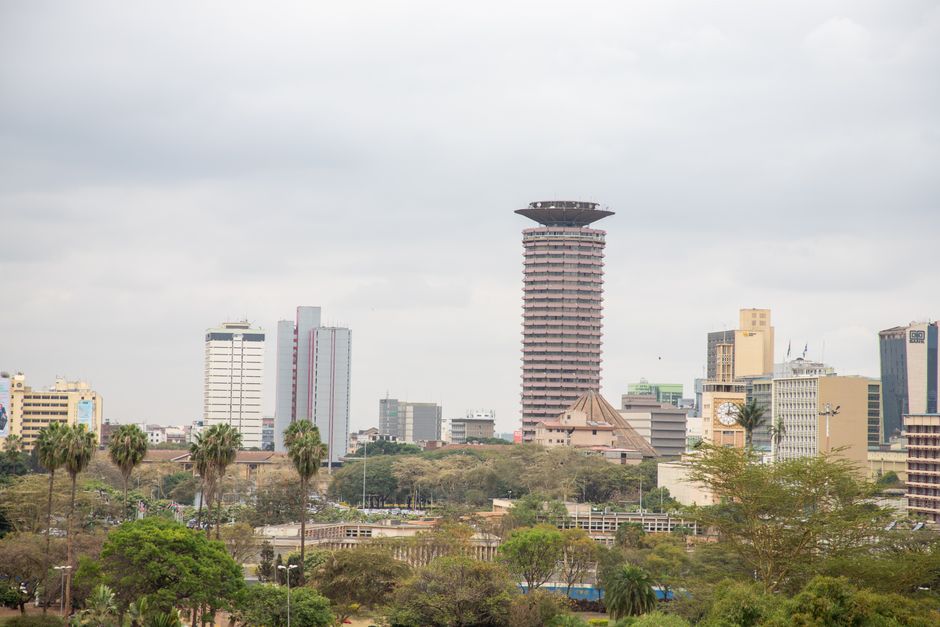
Walk into Nairobi's cultural conversation in 2026, and you'll notice something has shifted. The city's festival calendar—once dominated by international imports and corporate sponsorships—has become a genuine reflection of how the city sees itself: ambitious, experimental, and unapologetically rooted in its own creative traditions.
Consider the numbers. Over the past eighteen months, Nairobi has hosted more than forty significant cultural events, ranging from the Nairobi Design Week (now in its seventh year) to the emerging Karibu Arts Festival in Eastleigh, which drew over 8,000 visitors last month. What distinguishes these gatherings isn't just their scale, but their intentionality. They're no longer staging posts for international talent passing through; they're laboratories where local artists define the conversation.
The shift is geographically visible too. While Westlands and Karen have traditionally housed Nairobi's cultural institutions, the real creative momentum has migrated eastward. The Kibera Jazz and Contemporary Music Festival, now anchored at the Nairobi Metropolitan Services Social Hall, has become the city's most significant music gathering, attracting over 15,000 attendees and generating approximately 2.3 billion shillings in direct economic activity. More importantly, it has positioned Kibera's musicians—historically marginalized in the city's cultural narrative—as architects of Nairobi's sonic identity.
Similarly, the Mathare Valley Film and Documentary Festival, launched in 2024, has transformed a neighbourhood synonymous with urban challenge into a space where storytelling happens on its own terms. These aren't charity narratives; they're creative statements.
The calendar's rhythm now reflects the city's dual consciousness. June's Nairobi Comic Con, centered around Museum Hill, attracts young creatives engaging with science fiction and digital culture. July traditionally brings the East Africa Fashion Week, which has evolved from a runway spectacle into a forum about sustainable production and Kenyan textile innovation. September sees the Nairobi Art Summit—a three-week conversation about contemporary African practice—reclaim conversation space from the international biennial circuit.
What's particularly striking is how these events have begun to shape urban infrastructure and social rhythms. Pedestrianization projects along Tom Mboya Street and Kaunda Street are partly justified by cultural programming. Business improvement districts are forming around cultural nodes. Young people are staying in the city longer, betting careers on creative practice.
This isn't accidental. It reflects a maturing city asking itself fundamental questions: Who are we? What are we making? What legacy do we want to leave? The answer, increasingly, comes not from boardrooms but from streets where festivals happen, where musicians perform, and where Nairobi's creative identity is actively, daily, being written.
This article was compiled by AI from the sources linked above and screened before publishing. See our editorial standards.