Walk through the Matbronze creative quarter in Kilimani today and you'll find yourself in a landscape of converted warehouses, artist studios, and independent galleries. But a decade ago, these streets were largely forgotten—crumbling colonial-era structures that few invested in. The transformation didn't happen by accident. It was the result of deliberate, often exhausting work by a coalition of local historians, architects, and cultural entrepreneurs who believed Nairobi's identity was worth preserving.
The story begins with organisations like the Nairobi Heritage Alliance, established in 2016 by a group of professionals determined to document and celebrate the city's layered past. Unlike many NGOs working in the heritage space, this collective focused on activating spaces rather than merely cataloguing them. They worked with property owners in Eastleigh, Parklands, and the industrial zones along Ngong Road to identify buildings worth saving—structures that whispered stories of the city's Indian merchant class, its early modernist architects, and its evolution from colonial outpost to 21st-century metropolis.
"Heritage isn't something you put in a museum," explained the philosophy driving initiatives like the Karen Blixen Museum's expansion programme and the establishment of the Nairobi Design Centre in Westlands, spaces now attracting both local students and international visitors. The Karen neighbourhood itself has witnessed remarkable grassroots documentation efforts, with community members mapping the social history of what was once a retreat for Kenya's settler elite.
By 2024, these efforts had catalysed measurable change. Property values in heritage-designated zones increased by an average of 18 per cent, according to real estate analysts. More significantly, cultural tourism in central Nairobi grew by 34 per cent year-on-year, with visitors spending an estimated 2.3 billion shillings annually in heritage-adjacent businesses—galleries, cafés, and craft shops scattered across Nairobi's inner suburbs.
Yet the architects of this scene—the researchers spending weekends in municipal archives, the young curators earning modest salaries, the building owners who took financial risks on restoration—remain largely invisible to the public. They work without the fanfare of international development funding or government sponsorship, driven instead by a conviction that Nairobi's story belongs to Nairobians themselves.
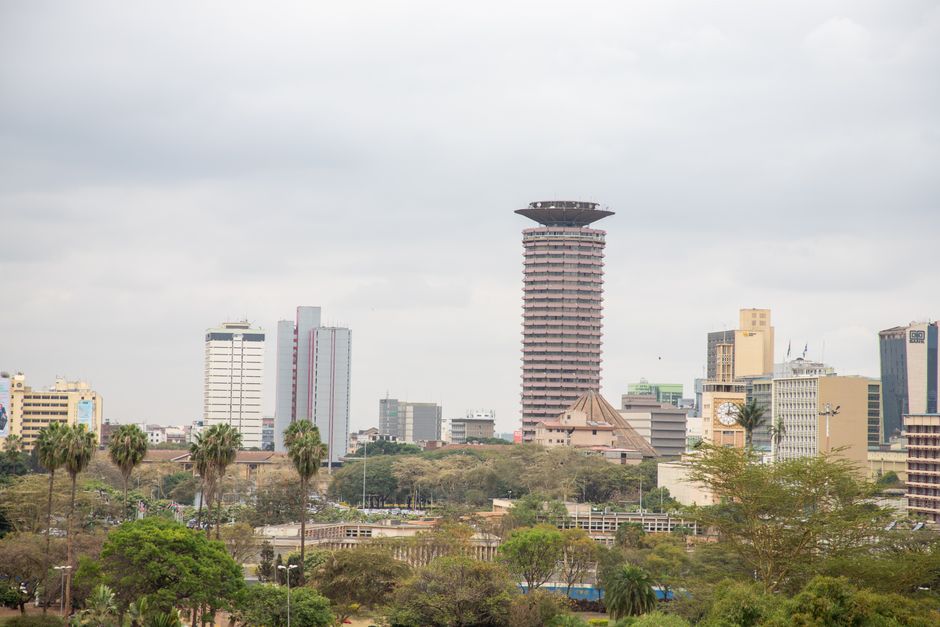
As the city continues its rapid expansion, their work has become increasingly urgent. Every month, more heritage structures face demolition. The real measure of their success won't be gallery attendance figures or property valuations—it will be whether future generations of Nairobians understand that their city's identity was actively, meticulously, lovingly constructed.
This article was compiled by AI from the sources linked above and screened before publishing. See our editorial standards.