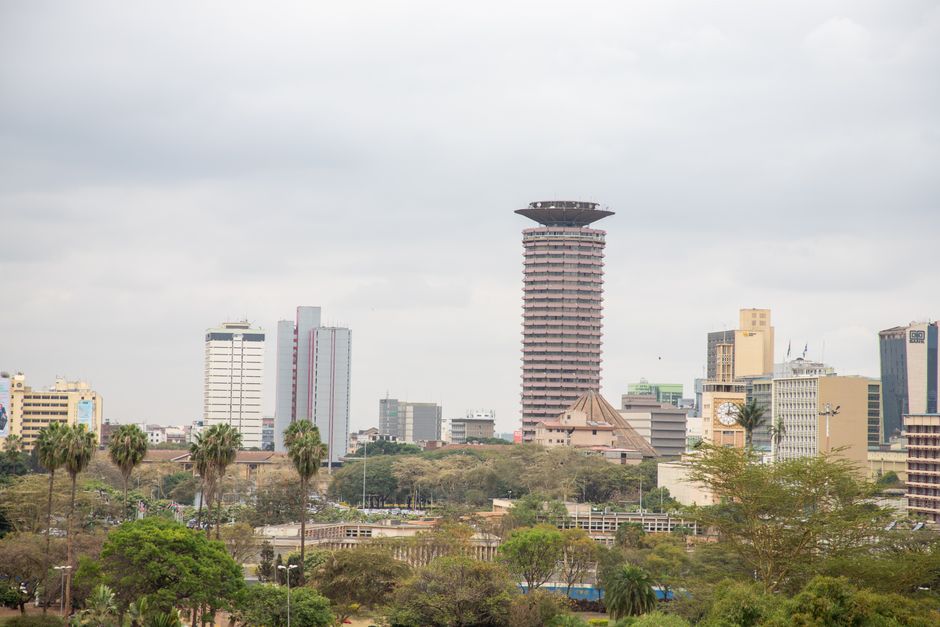
Walk down Koinange Street today and you'll see scaffolding wrapping colonial-era buildings, their ornate facades being painstakingly restored to their 1920s glory. What few passersby realise is that these structures nearly became another row of glass shopping malls. The salvation story belongs to a loosely connected network of cultural custodians who have, since the early 2000s, waged a quiet battle against heritage erasure in East Africa's fastest-changing metropolis.
The Nairobi Heritage Conservation Initiative, born from conversations at Java House on Banda Street in 2003, emerged as the movement's intellectual spine. What began as informal meetings between architects, archivist Cynthia Salvado, and community elders evolved into a grassroots force that has documented over 800 significant structures across the city. Their annual Nairobi Heritage Festival, held since 2008 at the Karen Blixen Museum, now attracts nearly 5,000 visitors and has become the capital's most authentic cultural gathering.
The human cost of this work remains understated. Restoration architect James Mwangi has spent fifteen years convincing property owners in Eastleigh that preserving their Indo-Arab shopfronts—with their distinctive timber screens and copper cornices—increases rather than decreases value. His team's 2019 survey documented that heritage-listed properties in the neighbourhoods of Kilimani and Westlands appreciated 23% faster than undesignated peers, finally giving capitalism and conservation common ground.
Yet the battle persists. Nairobi loses approximately 3-4 heritage structures monthly to development pressure, according to the National Museums of Kenya's 2024 audit. The recent rehabilitation of the historic GPO building on Kenyatta Avenue—a 1970s brutalist landmark many deemed architecturally worthless—took eight years of advocacy led by design collective Nairobi Design Week founders.
What distinguishes this movement from museum curation is its insistence that heritage belongs to ordinary Nairobians. Community oral history projects in Mathare have recorded testimonies from lifelong residents, creating counter-narratives to official histories. The Pumwani Maternity Hospital documentation project has become a model for how institutions can acknowledge their contested pasts while centering those they've historically served.
As property values soar and international investors circle Nairobi's older precincts, these custodians understand they're in a race against time. Their victory isn't measured in preserved buildings alone, but in the thousands of Nairobians now walking their city with eyes open to its layered stories—recognising that heritage isn't something distant and dusty, but the living context of who they are.
This article was compiled by AI from the sources linked above and screened before publishing. See our editorial standards.