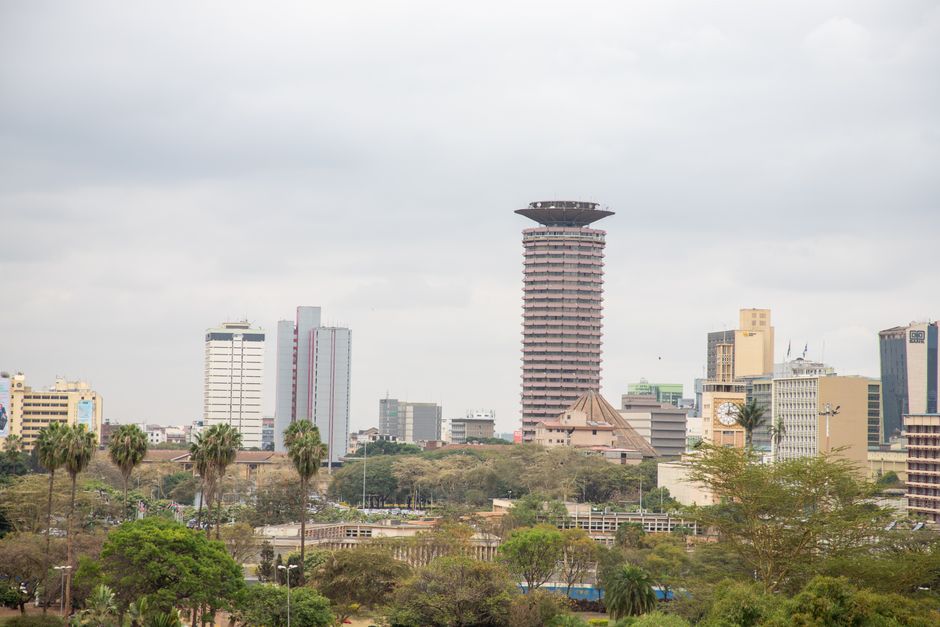
A decade ago, Nairobi's festival calendar was sparse and largely informal. Cultural events clustered around December holidays and Independence Day, with most organised by government bodies or international embassies. Today, the city hosts over 40 major festivals annually, generating an estimated KES 8 billion in economic activity and establishing itself as East Africa's premier cultural destination.
The transformation began around 2015, when independent curators and creative collectives began activating unconventional spaces. The Nairobi National Museum's annual symposia gave way to sprawling outdoor events. Venues like the Safari Park Hotel in Nairobi National Park started hosting ticketed performances beyond traditional theatre runs. By 2018, the Safaricom Jazz Festival had become an institution, drawing 15,000 attendees annually to various venues from Parklands to Karen.
"The shift reflected a maturing creative economy," explains the trajectory visible through institutional growth. The Goethe-Institut on Loita Street, the Alliance Française in Westlands, and the Kenya National Theatre all expanded programming significantly. What had been occasional afternoon recitals became week-long festivals with international lineups. The Nairobi Design Week, launched in 2019, now occupies multiple galleries and creative hubs across Gikomba and the Nairobi CBD.
Ticket pricing evolved alongside accessibility concerns. Early festivals charged 500-1,500 KES. Premium events now command 5,000-15,000 KES, though organisers have introduced free community sessions and student discounts, recognising that exclusivity threatened Nairobi's identity as a cultural hub for all residents.
The Koroga Festival, which began in Nairobi's informal music spaces before relocating to Bomas of Kenya, exemplifies this scaling. From intimate Friday evening gatherings, it expanded to a full festival weekend attracting 20,000 visitors and international media coverage. Similarly, the Blankets & Wine series migrated from experimental pop-ups to established calendar events across multiple African cities, with Nairobi remaining its flagship venue.
Street festivals have democratised participation. Nyama Choma Festival celebrations along Kenyatta Avenue, craft fairs in Kibera, and neighbourhood cultural weeks in South B and Kilimani have decentralised the festival experience beyond affluent enclaves, though infrastructure and security concerns persist in some areas.
As Nairobi prepares for its busiest festival season in years—with major events scheduled through December—the city's cultural calendar reflects a maturing creative sector. From government-sanctioned occasions to artist-led initiatives, from traditional music to contemporary art installations, Nairobi's festival evolution mirrors broader shifts in how the city imagines itself: not merely as Kenya's capital, but as a genuinely cosmopolitan cultural force.
This article was compiled by AI from the sources linked above and screened before publishing. See our editorial standards.