Walk down Mbingu Lane on a Friday evening in 2026, and you'll find it quieter than it was fifteen years ago. Yet the absence of crowds outside those cramped music bars doesn't signal decline—it marks evolution. Nairobi's live music and entertainment scene has undergone a profound metamorphosis, shifting from concentrated geography to distributed platforms, from analog intimacy to digital reach.
In the early 2000s, venues like Carnivore Restaurant and the now-defunct Safari Park Hotel dominated Nairobi's concert landscape. But the real heartbeat of the city's live scene pulsed through smaller, grittier spaces: Java House locations across Westlands and Karen, K1 Club in Kilimani, and dive bars in South B that hosted emerging Kenyan musicians testing material before crowds of forty or fifty devotees. These weren't glamorous spaces—they were incubators. Entry fees rarely exceeded 500 shillings.
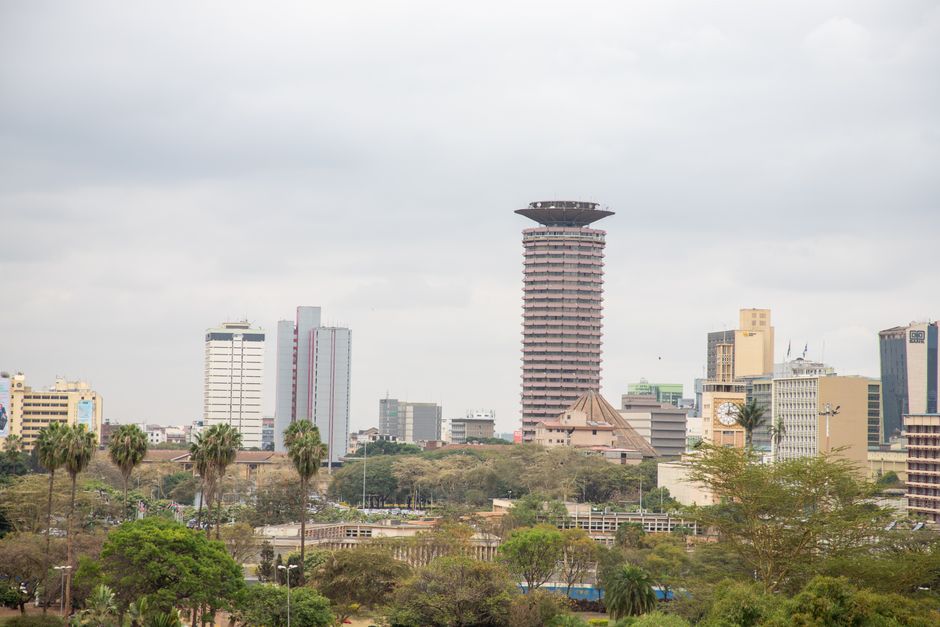
The 2010s brought infrastructure explosion. Venues like The Alchemist in Westlands, Jomo Kenyatta International Convention Centre's expansion, and the rise of Safaricom Indoor Arena shifted expectations. Concert ticket prices climbed to 2,000-5,000 shillings for mid-tier acts. More significantly, promoters began thinking bigger: international acts started including Nairobi in African tours. The Africog collective began documenting this shift, noting that by 2015, live music attendance across Nairobi's formal venues had grown 34% year-on-year.
But the pandemic fractured everything. Venues shuttered. Artists pivoted to Instagram Live sessions and YouTube, reaching audiences across East Africa simultaneously. When physical venues reopened, the landscape had changed. The KenyaBoy Festival, launched in 2021, signaled new ambition—drawing 15,000 spectators to Uhuru Park. Performances by local and diaspora artists began commanding 3,500-8,000 shilling tickets.
Today's scene is fragmented but richer. The Nairobi Live Music Association, formalized in 2024, now coordinates events across thirty registered venues. Smaller spaces like Mercato's underground clubs still nurture talent, while Kenyatta International Convention Centre hosts arena-scale productions. The digital sphere remains powerful: TikTok and YouTube have made bedroom producers into household names without requiring a single stage appearance.
What's consistent across every era? Nairobi's hunger. The city's culture-makers have always found ways to amplify local voices—whether via whispered recommendations in Mbingu Lane bars or algorithmic viral spreads. The venues change. The technology transforms. The impulse to gather, create, and celebrate endures.
This article was compiled by AI from the sources linked above and screened before publishing. See our editorial standards.