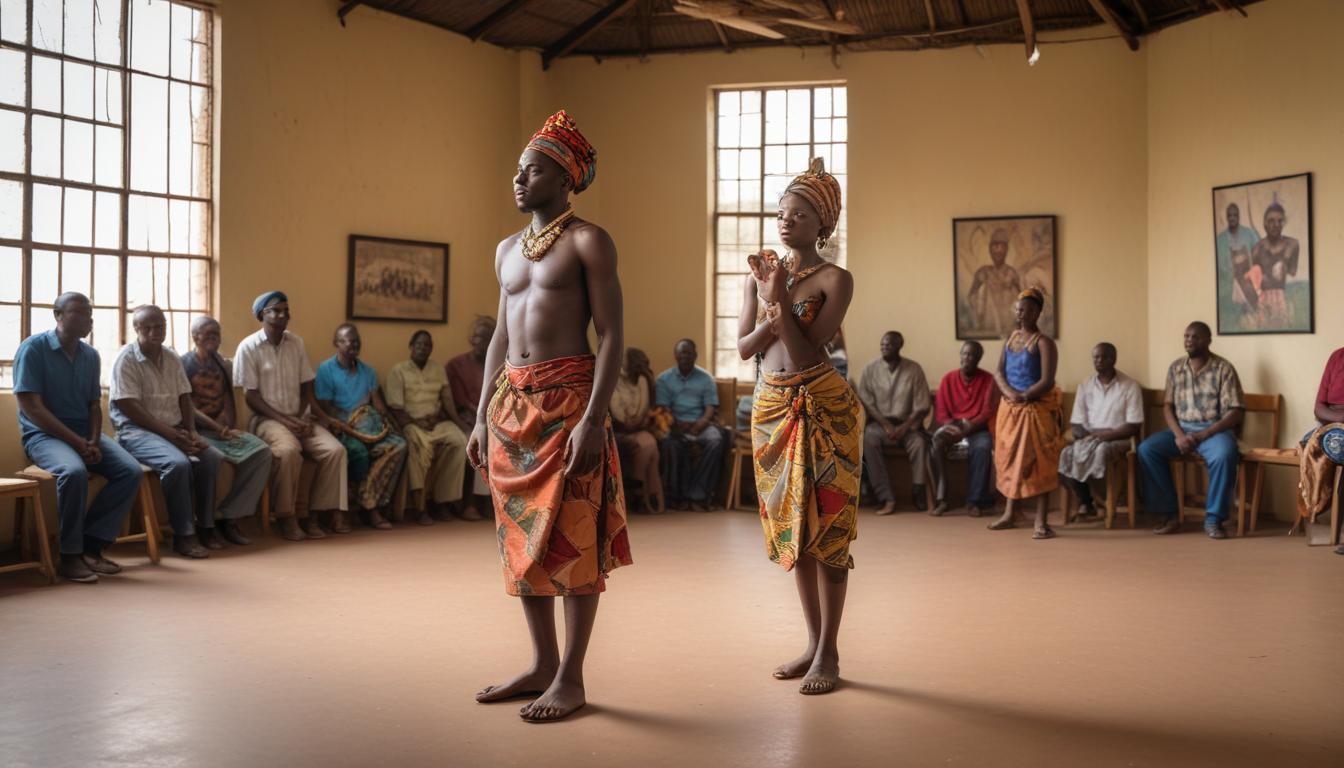
When the Kenya National Theatre opened its doors on Harry Thuku Road in 1954, it represented something revolutionary: a dedicated space where Nairobi's emerging middle class could gather for live performance. The colonial-era venue, with its burgundy velvet seats and ornate balconies, became the epicenter of the city's cultural imagination for generations. Yet today's Nairobi performing arts scene—sprawling across converted warehouses in Westlands, intimate black-box theatres in Parklands, and streaming platforms accessible from anywhere—would be barely recognizable to those early audiences.
The transformation began in earnest during the 1990s and 2000s, when economic liberalization and technological advancement democratized access to culture. Cinemas that once dominated River Road—the Odeon, the 20th Century, the Nairobi Cinema—gradually shuttered as home entertainment systems proliferated. Yet this apparent decline masked a deeper evolution. Independent theatres like the Phoenix Players, founded in 1946 but reinvigorated in this era, began experimenting with Kenyan storytelling. The Donovan Maule Theatre in Parklands emerged as a hub for experimental work, hosting everything from classical drama to contemporary dance.
The shift accelerated dramatically after 2015. Venues like the Nairobi Performing Arts Centre in Westlands, the Circle Art Agency in the Industrial Area, and smaller spaces like Afrobubblegum's headquarters in Hurlingham democratized who could produce and consume theatre. Production costs dropped. Young creators—many trained at institutions like the United States International University's drama program—began telling distinctly Kenyan stories about urbanization, identity, and social change. Festival seasons expanded: the Nairobi International Film Festival, now in its 16th iteration, attracts both major distributors and bedroom filmmakers.
Today, ticket prices typically range from Ksh 500 to Ksh 2,500 for theatre productions, making live performance accessible beyond elite circles. Digital platforms have further expanded reach; theatre companies now stream productions to diaspora audiences and regional markets. Yet challenges persist. Inconsistent government funding, venue scarcity, and competition from streaming giants mean many productions operate on shoestring budgets. The closure of some cherished independent cinemas in 2023 and 2024 reminded stakeholders how fragile the ecosystem remains.
What's emerged, however, is a scene characterized by resilience and hybridity. Nairobi's theatrical tradition no longer depends on a handful of grand institutions but on networks of artists, entrepreneurs, and audiences who've learned to create value in constrained circumstances. The future may look nothing like the Kenya National Theatre of 1954—but its spirit of communal gathering and artistic ambition endures.
This article was compiled by AI from the sources linked above and screened before publishing. See our editorial standards.