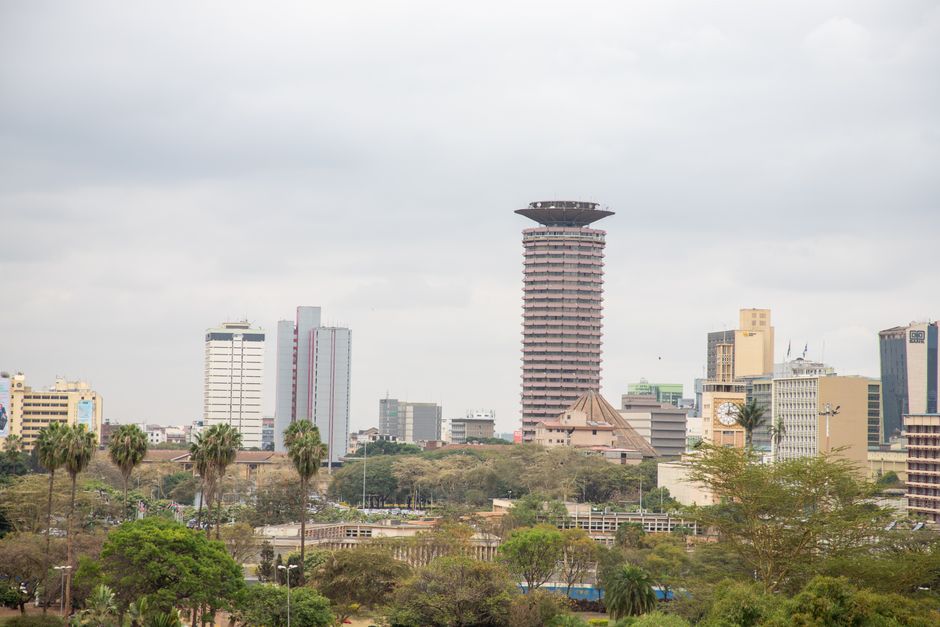
Walk down Muthaiga Road today and you'll find Michelin-calibre plating alongside traditional nyama choma joints. But Nairobi's restaurant and bar culture didn't emerge overnight. The city's food scene is a living archive of migration, economic shifts, and the relentless appetite—literal and figurative—of a growing cosmopolitan centre.
In the 1990s, dining out in Nairobi meant either upmarket hotel restaurants catering to expats, or informal street establishments. Samosas from River Road vendors cost 10 shillings. Githeri and beans were fuel, not cuisine. The Thorn Tree Café in the Norfolk Hotel remained the establishment's quiet anchor, while Kenyatta Avenue's Serena and Safari Park hotels dominated fine dining. Few restaurants existed purely as standalone ventures.
The real inflection point came around 2005-2010. Young Kenyan entrepreneurs, many returning from studies abroad or inspired by Kenya's growing tech sector, began opening restaurants that treated local ingredients and traditions as worthy of serious exploration. Venues like Carnivore evolved from novelty tourist stop into cultural institution. Meanwhile, Karen and Westlands neighbourhoods began attracting independent operators who blended international techniques with Kenyan produce.
Today, the statistics tell a remarkable story. The Kenya Tourism Board estimates Nairobi now hosts over 8,000 registered food and beverage establishments, with the casual dining segment growing 18% annually since 2018. Nairobi's restaurant density rivals cities twice its restaurant maturity. Areas like Upper Hill, the Nairobi West corridor, and particularly the regenerated Industrial Area now pulse with craft breweries, fusion kitchens, and wine bars that barely existed a decade ago.
The craft beer movement exemplifies this evolution. Five years ago, Kenya's brewery scene meant Tusker and Pilsner. Now, establishments like Brew Bistro and several microbreweries across Kilimani and Parklands produce experimental IPAs and sour ales. Kenyan roasters have similarly transformed coffee from commodity to craft—from Nairobi Java House's early expansion to the proliferation of specialty roasteries in Kilimani and Runda.
Prices have climbed accordingly. A meal at establishment fine-dining venues now runs 2,500-4,500 shillings per person, compared to 800-1,500 shillings fifteen years ago. Yet street food culture persists—murtabak on Accra Road, mandazi from corner vendors—reminding visitors that Nairobi's food identity remains beautifully contradictory.
What's emerged is neither purely traditional nor wholly cosmopolitan, but distinctly Nairobian: a city where a Saturday evening might begin with craft cocktails in Westlands and end with overnight grilled meat in Kasarani, where food journalists take seriously both a chef's sous-vide technique and their grandmother's ugali recipe. This evolution—still accelerating—has transformed how the city nourishes and defines itself.
This article was compiled by AI from the sources linked above and screened before publishing. See our editorial standards.