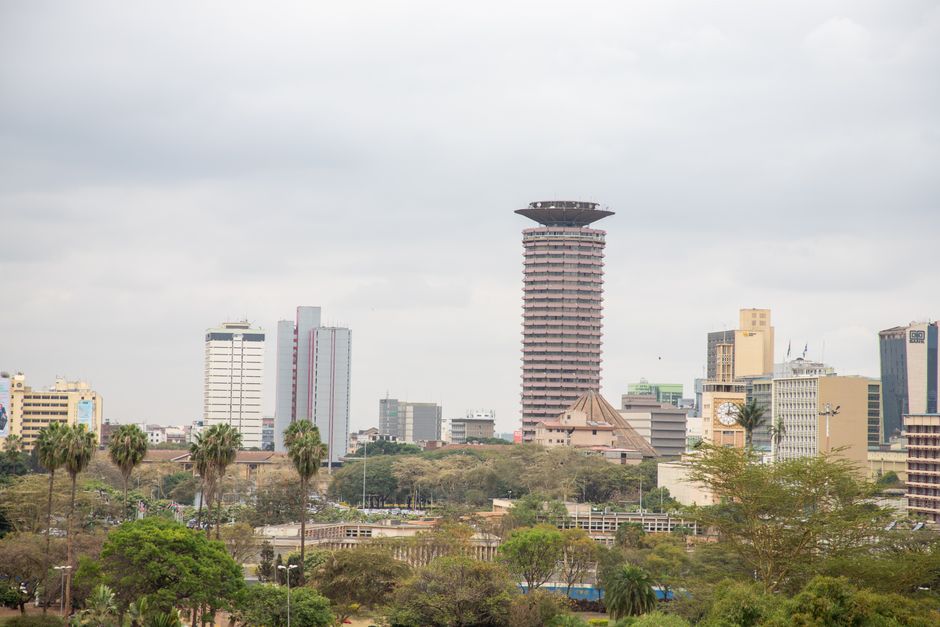
Walk into Nairobi's gallery district these days and you'll notice something shifting beneath the polished surfaces of the city's established institutions. While venues like the National Museum and the Nairobi National Park remain cultural anchors, a quieter revolution is unfolding in the converted warehouses and boutique spaces scattered across Parklands, Westlands, and the emerging creative hub around Kenyatta Avenue.
The numbers tell part of the story. According to a recent survey by the Nairobi Contemporary Arts Collective, over 60% of visitors to independent galleries are under 35, a demographic that gravitates toward artist-run initiatives and grassroots collectives rather than traditional institutional shows. Monthly foot traffic to spaces like those clustering around Ngong Road and along the industrial stretches of Nairobi's eastern edge has grown by an estimated 40% since 2024.
What distinguishes this wave is its willingness to sidestep gatekeeping altogether. Young curators are mounting exhibitions in converted shipping containers and residential spaces, bypassing the six-figure budgets required for white-cube presentation. Video installations exploring urban migration share walls with sculptural works addressing climate displacement—themes that feel urgent precisely because they emerge from lived experience rather than institutional strategy.
The economic barriers remain daunting. Gallery rents in Westlands have climbed to 150,000 shillings monthly for modest 800-square-metre spaces, pushing many emerging practitioners toward artist collectives that share costs and resources. Yet this constraint has paradoxically strengthened the scene's diversity. Without the pressure to maintain commercial viability, these spaces champion experimental work that established galleries might consider unmarketable—multimedia pieces, community-engaged installations, and conceptual work rooted in Nairobi's specific social landscape.
Museums, too, are responding. The Nairobi National Museum's recent curatorial fellowships have prioritised early-career professionals from underrepresented communities, while smaller institutions are experimenting with rotating exhibition models that prioritise emerging voices over marquee names.
What remains critical is infrastructure investment and sustainable funding mechanisms beyond donor grants. The scene's energy is undeniable, but so is its precarity. Yet for anyone paying attention, the message is clear: Nairobi's most vital creative conversations aren't happening in the institutions you might expect. They're happening in the spaces that took the risk to exist in the first place.
This article was compiled by AI from the sources linked above and screened before publishing. See our editorial standards.