Beyond the Skyline: A Visitor's Essential Guide to Nairobi's Living History and Cultural Soul
From colonial-era architecture to contemporary African art, here's what travellers need to know to experience the city's layered identity.
From colonial-era architecture to contemporary African art, here's what travellers need to know to experience the city's layered identity.
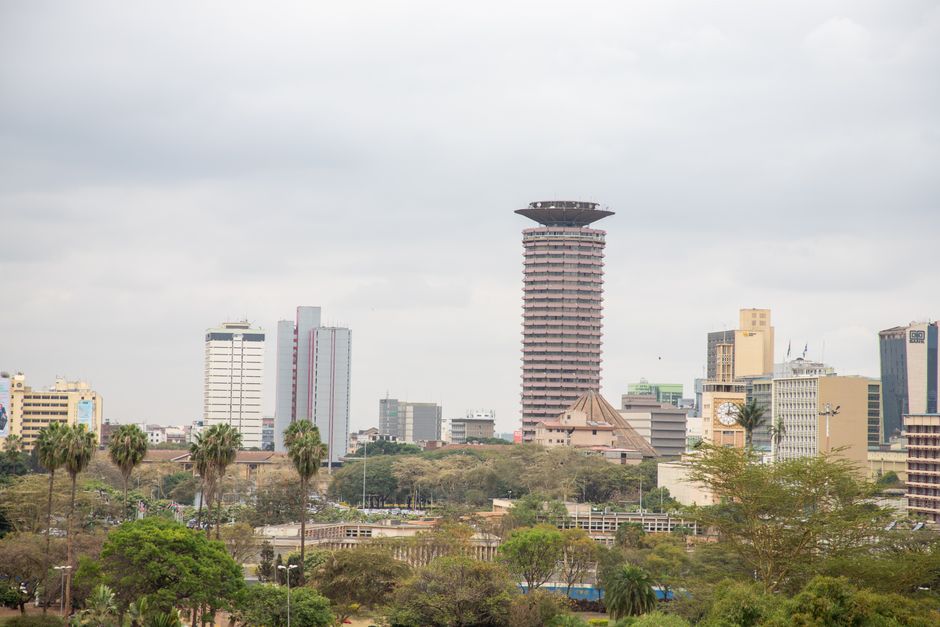
Nairobi's cultural landscape tells the story of a city perpetually reinventing itself. For visitors seeking authentic engagement with Kenya's capital, understanding its historical layers—and knowing where to find them—transforms a casual visit into meaningful discovery.
Start in the heart of the city's colonial past. The Karen Blixen Museum in the leafy suburb of Karen preserves the 1912 farmhouse where the Danish author penned 'Out of Africa,' offering insight into Kenya's complex relationship with its European heritage. Admission runs around 1,200 Kenyan shillings. Equally vital is the Nairobi Railway Museum on Railway Road, where restored locomotives and vintage carriages document the nation's transport history and the Indian labourers who built the Uganda Railway a century ago.
But contemporary Nairobi demands equal attention. The Nairobi National Museum on Museum Hill houses Africa's most significant collections of pre-colonial artefacts, ethnographic materials, and contemporary works. Recent exhibitions have centred Kenya's diverse cultural communities—from the pastoralist traditions of northern regions to coastal Swahili heritage. The museum's expansion reflects a deliberate shift toward decolonised narratives, moving beyond missionary-era interpretations.
For living culture, Nairobi's neighbourhoods tell their own stories. Eastleigh, long stigmatised in mainstream media, thrums with Somali-Kenyan entrepreneurship and architectural innovation; the colourful commercial strips along Fifth Avenue showcase diaspora networks reshaping the city's commercial identity. Westlands and the Upper Hill areas, meanwhile, host galleries like Circle Art Gallery and Kuona Trust studios, where emerging artists interrogate identity, displacement, and belonging through contemporary mediums.
The Street to avoid missing: River Road, despite urban decay, remains a palimpsest of Nairobi's trading history and informal economy. The adjoining Parklands neighbourhood contains hidden gems—traditional craftspeople's workshops, small museums, and heritage sites often overlooked by guidebooks.
Language matters too. While English dominates tourism infrastructure, basic Swahili phrases open doors. Local hawkers, matatu drivers, and shopkeepers in Gikomba market respond warmly to visitors making linguistic effort—a small gesture that acknowledges Kenya's cultural sovereignty.
Visit during the Nairobi International Book Festival (typically September) or the biennial Kenya Contemporary Art Festival to catch the city engaging with its own cultural production. Prices for such events typically range 500–2,000 shillings.
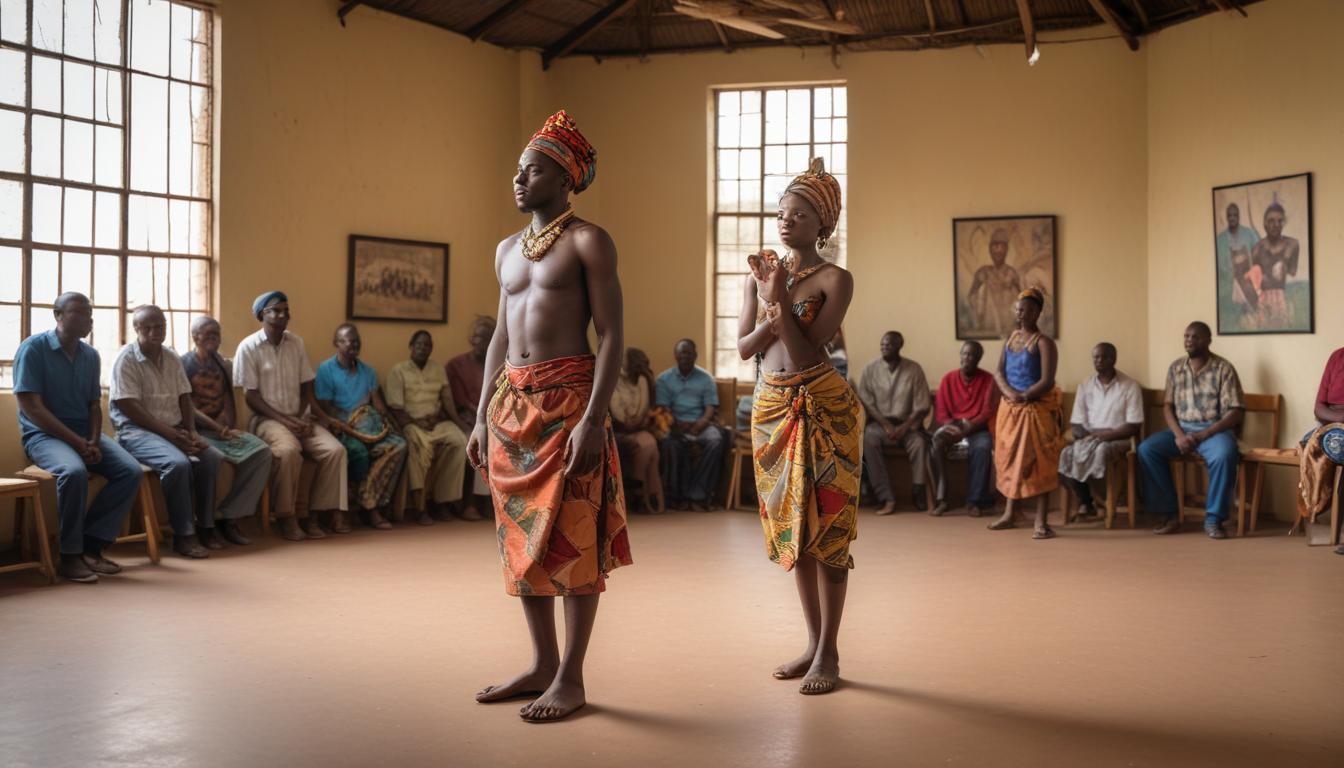
Ultimately, Nairobi's cultural identity resists simple narratives. It's a city where Maasai warriors navigate tech hubs, where Indian Ocean trade routes echo in Swahili architecture, and where pan-African consciousness meets local township pride. Visitors who venture beyond curated tourist routes discover a city actively negotiating—sometimes messily, always authentically—who it is and who it wants to become.
This article was compiled by AI from the sources linked above and screened before publishing. See our editorial standards.
How does this story make you feel?
Spread the word
About this article
Published by The Daily Nairobi
Daily brief
Free, in your inbox before 7am. Weekdays.
More in culture