Your Complete Guide to Nairobi's Best Film, Theatre and Performing Arts Right Now
From indie cinemas in Westlands to experimental theatre in Karen, here's where to catch world-class culture in Kenya's capital this season.
From indie cinemas in Westlands to experimental theatre in Karen, here's where to catch world-class culture in Kenya's capital this season.
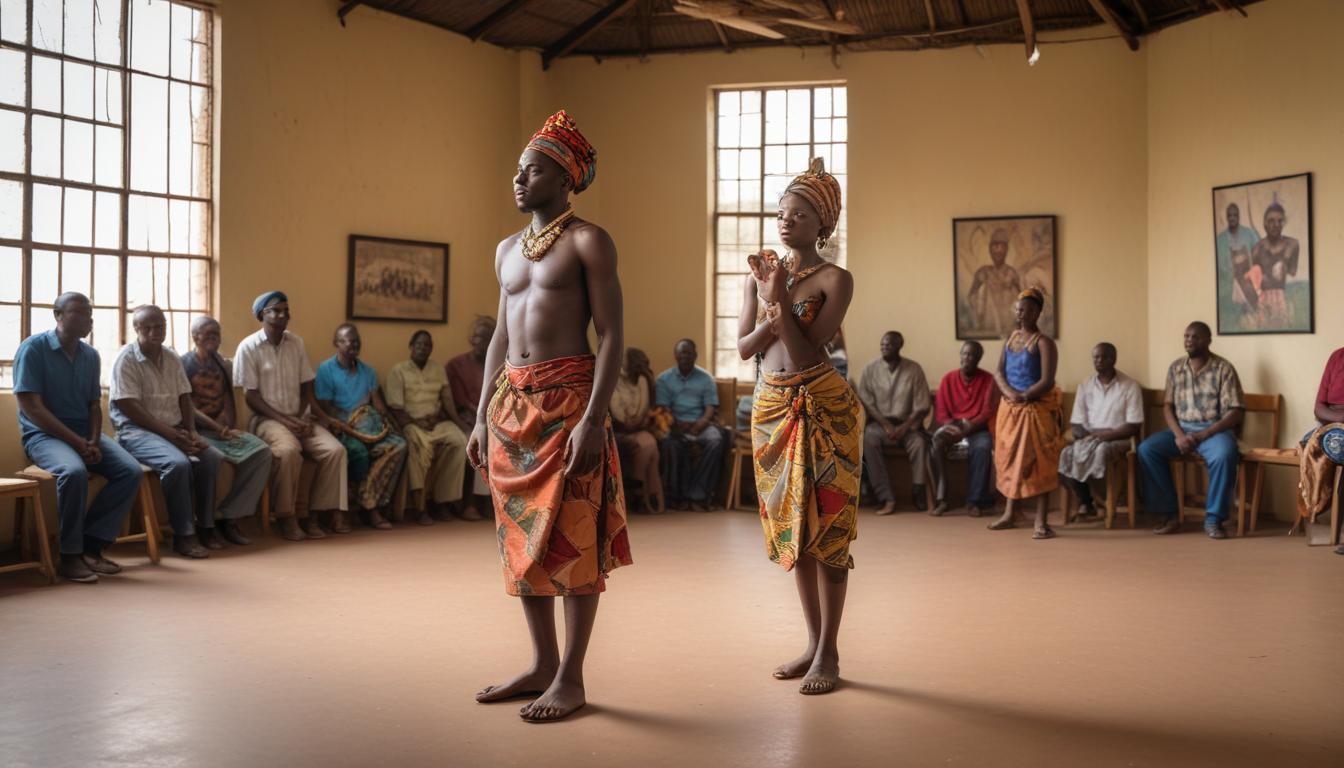
Nairobi's performing arts scene has matured dramatically over the past five years, transforming from scattered cultural pockets into a genuinely vibrant ecosystem. Whether you're seeking arthouse cinema, contemporary theatre, or live performance, the city now offers sophisticated venues that rival any African capital.
For cinema lovers, the landscape has shifted decisively toward curated independent spaces. Nairobi Film Society continues its mission at various venues, hosting screenings of overlooked international and African films that major multiplexes ignore. Membership costs around 800 shillings annually and grants access to monthly curated programmes. Meanwhile, the refurbished spaces in Westlands—particularly around Sarit Centre—have become hubs for premiere screenings and film festivals that draw serious cinephiles.
Theatre has undergone a genuine renaissance. The Kenya National Theatre on Harry Thuku Road remains the institutional anchor, hosting everything from classical drama to experimental work, with tickets typically ranging from 500 to 2,000 shillings depending on production. However, the real innovation happens in intimate venues scattered across the city. The Nairobi Performing Arts Centre in Karen has established itself as the epicentre for risk-taking theatre, hosting both established companies and emerging independent producers. Productions here often explore contemporary Kenyan themes with genuine intellectual ambition.
The live music and performance circuit has equally transformed. Venues along Mombasa Road and in the Kilimani corridor now regularly host experimental music, spoken word, and multimedia performances that blur genre boundaries. The monthly First Thursdays events in various neighbourhoods—particularly around Nairobi's creative districts—have become cultural fixtures where emerging performers test new work before engaged local audiences.
For dance specifically, the Nairobi Ballet Company and various contemporary dance collectives frequently present work at mid-sized venues across the city. The sector has grown substantially, with several independent choreographers now producing regular productions that fuse classical training with distinctly Kenyan creative vocabularies.
Pricing remains remarkably accessible compared to global standards. Most theatre productions cost between 500 and 1,500 shillings, while cinema tickets average 400-600 shillings. This affordability has democratised access significantly, building audiences that include university students, young professionals, and established culture enthusiasts.
The challenge remains consistency and visibility. Unlike established cultural capitals, Nairobi's scene requires active engagement—following social media accounts, joining mailing lists, and visiting venue websites directly. But for those willing to invest that effort, the rewards are substantial: access to genuinely innovative cultural work, often created by artists pushing boundaries within the broader East African context.
This article was compiled by AI from the sources linked above and screened before publishing. See our editorial standards.
How does this story make you feel?
Spread the word
About this article
Published by The Daily Nairobi
Daily brief
Free, in your inbox before 7am. Weekdays.
More in culture