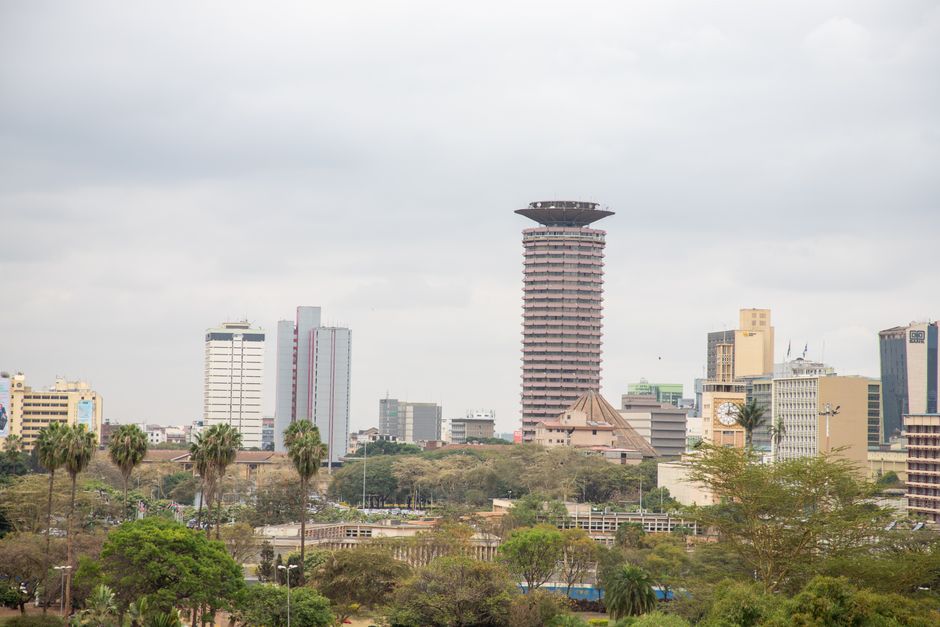
Walk through Westlands today and you'll encounter galleries on nearly every corner—sleek glass facades, carefully curated installations, and crowds of art enthusiasts. Three decades ago, Nairobi's visual arts landscape looked vastly different. The National Museum on Museum Hill was one of few destinations for serious collectors and cultural tourists, housed in colonial-era buildings that spoke more of preservation than innovation.
The transformation began in the early 1990s, when independent galleries started emerging in Nairobi's creative neighborhoods. Karura Forest and the surrounding Muthaiga area attracted pioneering artists and curators who established intimate exhibition spaces in converted residences and warehouses. This grassroots movement challenged the museum establishment's stranglehold on cultural authority, democratizing who could show art and to whom.
By the 2000s, Westlands had become the epicenter of this shift. Galleries along Limuru Road and within the Village Market complex attracted both local and international artists, transforming shopping destinations into cultural destinations. Kisumu Street in Nairobi's Riverside area similarly evolved from commercial obscurity to become a hub for contemporary practice, with artist collectives occupying former office spaces at rents affordable enough to sustain experimental work.
The National Museum itself adapted, expanding beyond its 1910 origins to embrace contemporary Kenyan art alongside anthropological collections. By 2015, institutions were competing for audiences rather than monopolizing them—a healthy sign of a maturing scene. Entry fees, typically between 400 to 800 Kenyan shillings for museums and galleries, became increasingly accessible through free community nights and school programs.
Today's ecosystem is markedly different from its predecessor. Independent curators have established peer-reviewed exhibition practices. Art fairs like NADA Fair, launched locally, have positioned Nairobi as a serious market hub within East Africa. Digital platforms have demystified access to gallery information, replacing word-of-mouth gatekeeping with transparent online programming.
Yet challenges persist. The scene remains concentrated in affluent neighborhoods, with limited reach into Eastlands, Southlands, and outer areas. Sustainable funding for mid-career artists remains precarious. Many galleries operate on gallery commission models (typically 40-50%) that can disadvantage local practitioners compared to international artists with established markets.
Still, the arc is undeniable. From a scene dominated by colonial-era institutions to one animated by independent voices, artist-led initiatives, and increasingly sophisticated curatorial practices, Nairobi's arts and museum landscape reflects a city confidently authoring its own cultural narrative—one exhibition at a time.
This article was compiled by AI from the sources linked above and screened before publishing. See our editorial standards.