Nairobi's Live Music Scene Roars Back: Why Westlands and Southlands Are Where Everyone's Heading
After a quiet two years, the capital's concert venues are packed again—and promoters say the appetite for live entertainment has never been fiercer.
After a quiet two years, the capital's concert venues are packed again—and promoters say the appetite for live entertainment has never been fiercer.
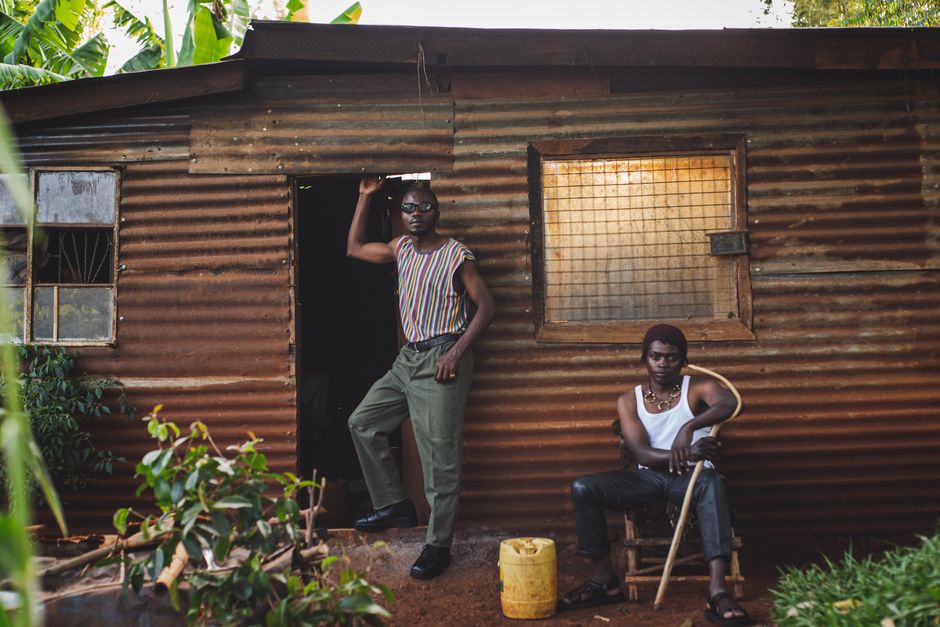
Walk past The Alchemist on Westlands Road on a Friday night, and you'll understand why Nairobi's live music renaissance has become the city's most electric cultural conversation. Venues across the capital are reporting sold-out shows, waitlists stretching into double digits, and ticket prices that have climbed 40 percent since 2024—yet crowds keep coming.
"We're seeing something we haven't seen in nearly five years," says the programming team at Carnivore Restaurant, which has become an unlikely hub for mid-scale concerts. June alone brought three consecutive weekend shows, each drawing crowds that stretched beyond the venue's 800-person capacity. Tickets, priced between 2,500 and 5,500 shillings for local acts, sold out within hours.
The momentum isn't limited to Westlands. South B and South C have emerged as unexpected hotspots. Venues like Primarosa and smaller speakeasies tucked along Langata Road are experimenting with intimate sets that appeal to audiences fatigued by festival-circuit exhaustion. These 200-300-person venues are charging entry fees of 1,500 shillings—undercutting central venues while building devoted followings.
Industry observers point to several drivers. First, the saturation of streaming platforms has paradoxically strengthened appetite for live performance; younger audiences, particularly those aged 18-35, view concerts as social experiences rather than passive consumption. Second, the return of international touring acts to East Africa—with Nairobi increasingly positioned as a stopover between Johannesburg and Lagos—has normalized live entertainment spending among middle-class professionals.
But there's a third factor conversations around town keep circling: local artists are finally investing in production quality. Where Nairobi concerts once defaulted to basic sound systems, venues are now installing professional-grade equipment. The Garage on Kimathi Street upgraded its rig in April; ticket revenue jumped 35 percent month-on-month afterward.
Challenges remain. Parking in Westlands stays nightmarish. Sound permits—required under Nairobi County's 2019 noise management guidelines—still create bureaucratic headaches for smaller promoters. Transport networks thin considerably after midnight, limiting accessibility for south-side residents.
Yet the underlying truth Nairobi's creative class keeps repeating is simple: the city has rediscovered its appetite for gathering, for live sound, for the specific magic that happens when strangers become a temporary community. Venues that sat half-empty eighteen months ago now turn customers away. That's not just business recovery. That's cultural momentum.
This article was compiled by AI from the sources linked above and screened before publishing. See our editorial standards.
How does this story make you feel?
Spread the word
About this article
Published by The Daily Nairobi
Daily brief
Free, in your inbox before 7am. Weekdays.
More in culture