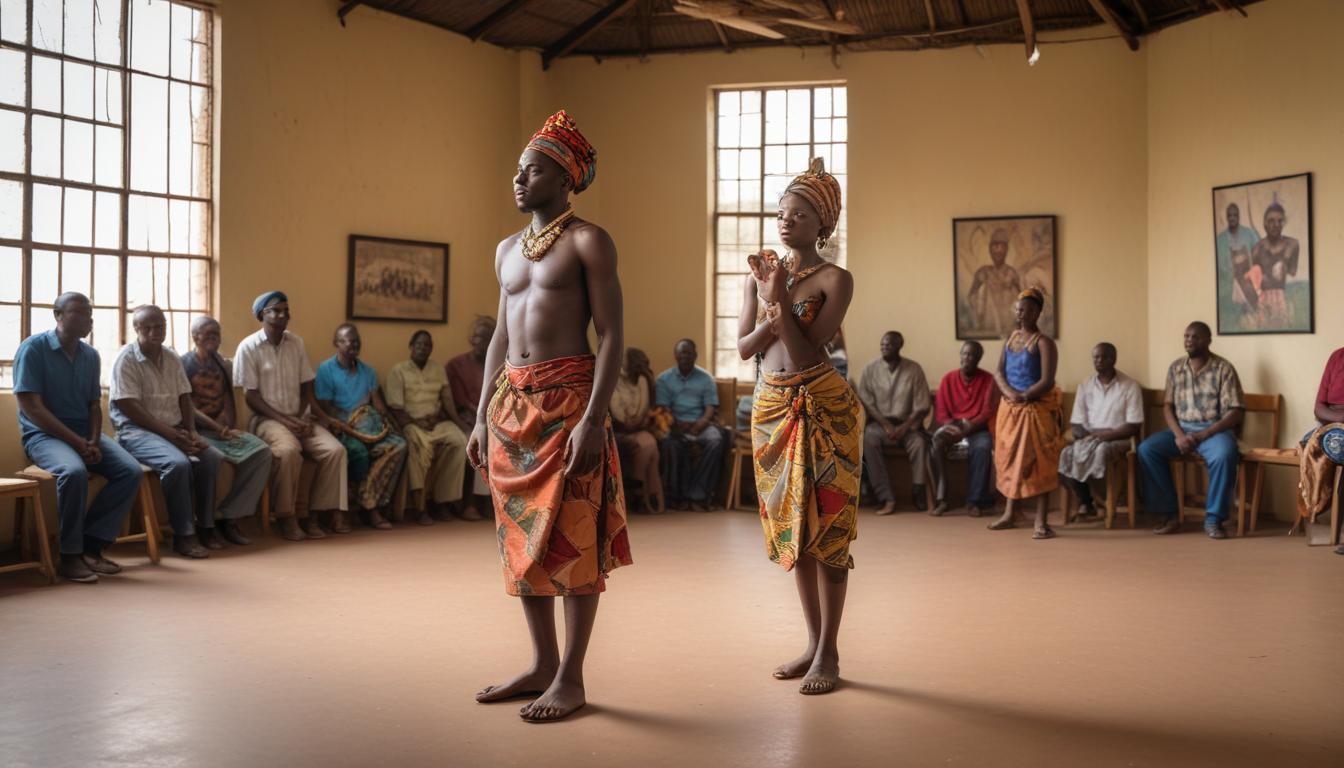
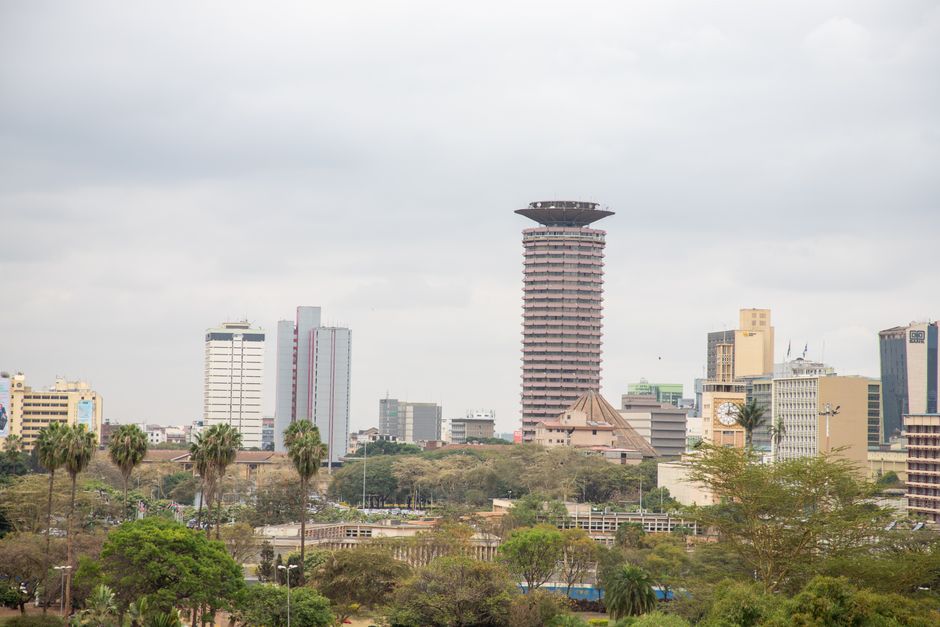
Walk through the Arts Quarter in Westlands on any given weekend, and you'll encounter a calendar that bears little resemblance to the polished, corporate-backed events of five years ago. Instead, you'll find neighbourhood collectives—many founded since 2023—programming their own festivals, pop-ups, and street activations. The shift reflects a broader movement where Nairobi's cultural custodians have stopped waiting for institutions to greenlight their visions.
The catalyst came quietly. When major venues around Nairobi Central Business District hiked event fees by up to 40 percent in 2024, independent artists and curators pivoted. Groups like the Matatu Collective began organizing monthly street markets along River Road, while the Kibera Arts Collective launched quarterly "Sokoni" festivals that rotate between Kibera Lane and the surrounding informal spaces. These gatherings, drawing crowds of 3,000 to 5,000 people, charge minimal entry fees—typically Ksh 200 to 500—making them accessible to working-class audiences largely excluded from ticketed venues.
The numbers tell the story. According to a June 2026 survey by Nairobi's Cultural Affairs Board, independent-led events have grown from 34 percent of the city's annual festival calendar in 2022 to 62 percent today. Established venues like the Safari Park Hotel and Kenya National Theatre have responded by partnering with grassroots organizers, ceding creative control in exchange for foot traffic and renewed relevance.
What distinguishes this movement isn't just the logistics—it's the ethos. Collectives operating from Eastleigh to Langata deliberately programme work from underrepresented communities: queer performers, diaspora musicians, street photographers, and experimental theatre groups rarely featured in mainstream festivals. The monthly Eastleigh Underground Music Series, for instance, now rivals established venues in attendance, blending Somali, Ethiopian, and electronic sounds that reflect the neighbourhood's lived reality.
Karen Musyoka, convenor of the Informal Settlements Cultural Network, notes that these organizers operate on razor-thin margins. Event insurance alone costs Ksh 25,000 to 50,000 per gathering. Yet funding has materialized through micro-grants from organizations like the Ford Foundation and smaller cultural trusts focused on community development. Some collectives have adopted innovative models: the Nairobi Street Sounds Festival accepts cryptocurrency donations, while others partner with local businesses—matatus, cyber cafés, hair salons—for in-kind support.
By mid-2026, Nairobi's cultural calendar has become decentralized, messy, and deeply rooted in the city's actual neighbourhoods rather than its central business zones. The shift reflects a generation unwilling to wait for permission. That's the real story beneath the celebrations.
This article was compiled by AI from the sources linked above and screened before publishing. See our editorial standards.