From Westlands to Kilimani: How Nairobi's Restaurant Scene is Redefining the City's Creative Soul
As independent eateries and bar collectives reshape neighbourhoods across the capital, they're becoming the true cultural backbone of modern Nairobi.
As independent eateries and bar collectives reshape neighbourhoods across the capital, they're becoming the true cultural backbone of modern Nairobi.
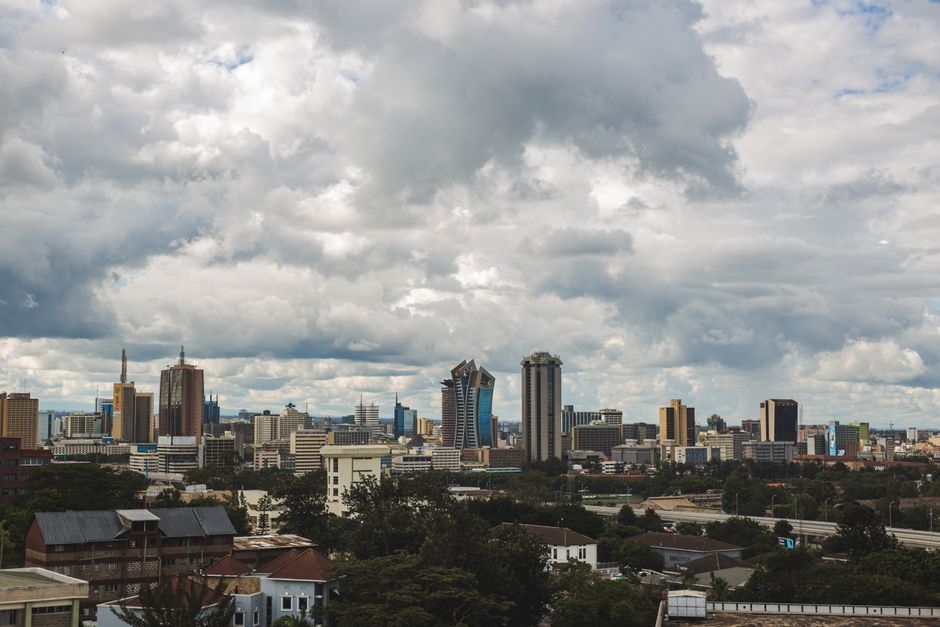
Walk down Waiyaki Way on a Friday evening and you'll witness something that would have seemed impossible a decade ago: Nairobi's food and beverage sector has evolved from a transactional industry into a genuine cultural movement. The city's restaurants, bars, and food collectives are no longer simply serving meals—they're authoring the narrative of what it means to be a contemporary Nairobian.
The transformation is most visible in Kilimani and Westlands, where chef-led establishments have become gathering spaces for artists, writers, filmmakers, and entrepreneurs. These venues function as informal cultural incubators. Many now host live music, poetry readings, and art exhibitions alongside their menus. Local statistics show that independent food establishments have grown 34% since 2023, with the majority citing cultural programming as integral to their business model rather than mere supplementary activity.
This phenomenon extends beyond the city's wealthier enclaves. In Eastleigh, emerging food entrepreneurs are reclaiming culinary heritage through restaurants that celebrate Somali, Ethiopian, and Kenyan traditions with contemporary presentation. Similarly, the Karen and Langata corridors have seen micro-breweries and wine bars become community hubs where residents gather not just for consumption, but for conversation and connection in an increasingly fragmented metropolis.
What distinguishes Nairobi's current food culture from other African capitals is its deliberate fusion of accessibility and innovation. While fine dining exists, the cultural conversation is increasingly driven by mid-range establishments priced between 800-1,500 KES for mains—positioning food culture as something participatory rather than exclusive. This democratization has attracted younger, culturally-conscious demographics who view dining out as an extension of their identity rather than merely an economic transaction.
The bar scene particularly exemplifies this shift. Hidden cocktail lounges in Nairobi's old town, craft beer establishments in Kilimani, and wine bars in Westlands have become unlikely venues for intellectual discourse. Some venues now partner with publishers, universities, and film societies, creating programming that wouldn't be out of place in Berlin or Brooklyn—yet distinctly rooted in Nairobi's specific context.
This cultural repositioning has real economic implications. The sector now contributes an estimated 2.3% to Nairobi's GDP, rivalling traditional tourism revenue streams. More significantly, it's attracting creative talent who might otherwise have relocated to Johannesburg or Lagos, representing a soft power asset for the city.
As Nairobi competes globally for cultural relevance, its restaurants and bars have become the unlikely frontline. They're not just feeding the city—they're shaping its identity, one conversation, one dish, one evening at a time.
This article was compiled by AI from the sources linked above and screened before publishing. See our editorial standards.
How does this story make you feel?
Spread the word
About this article
Published by The Daily Nairobi
Daily brief
Free, in your inbox before 7am. Weekdays.
More in culture