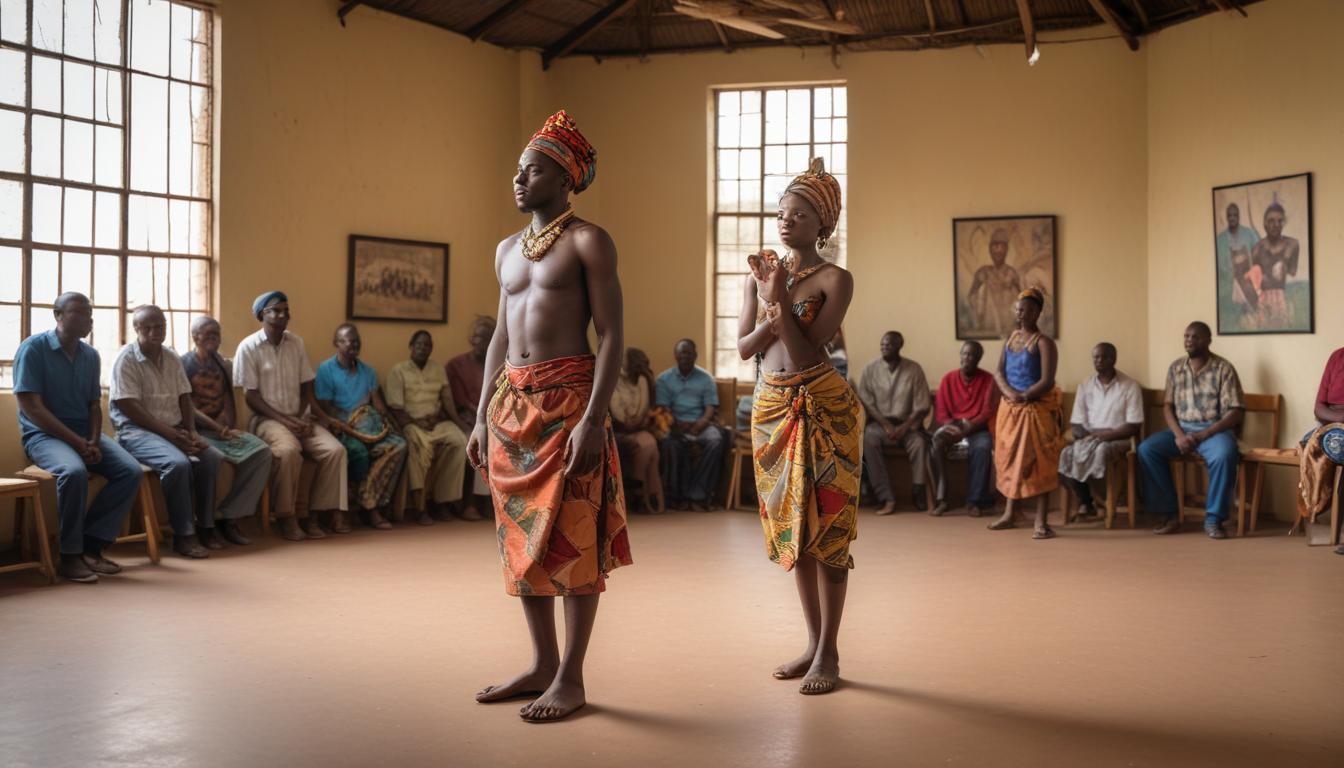
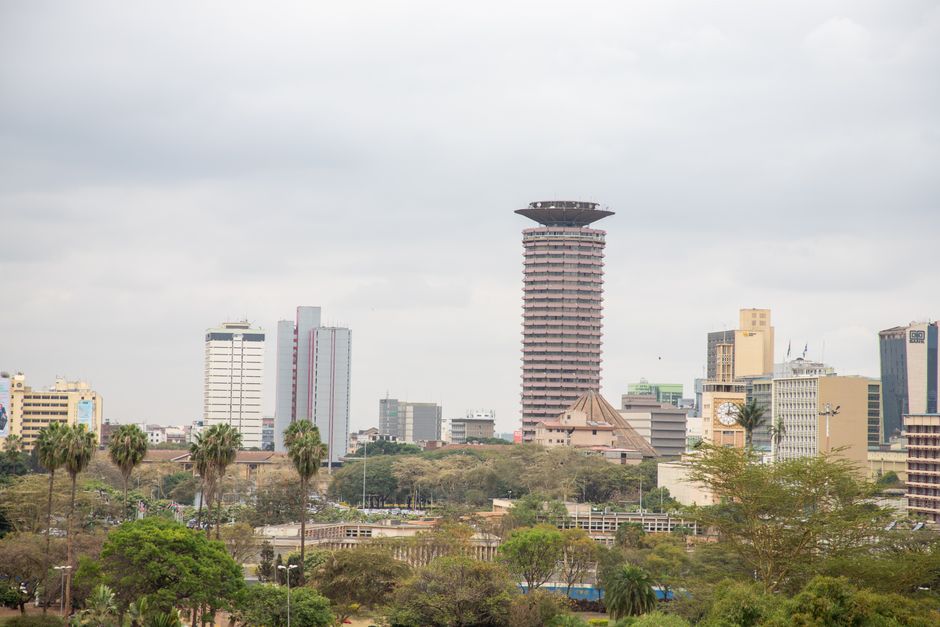
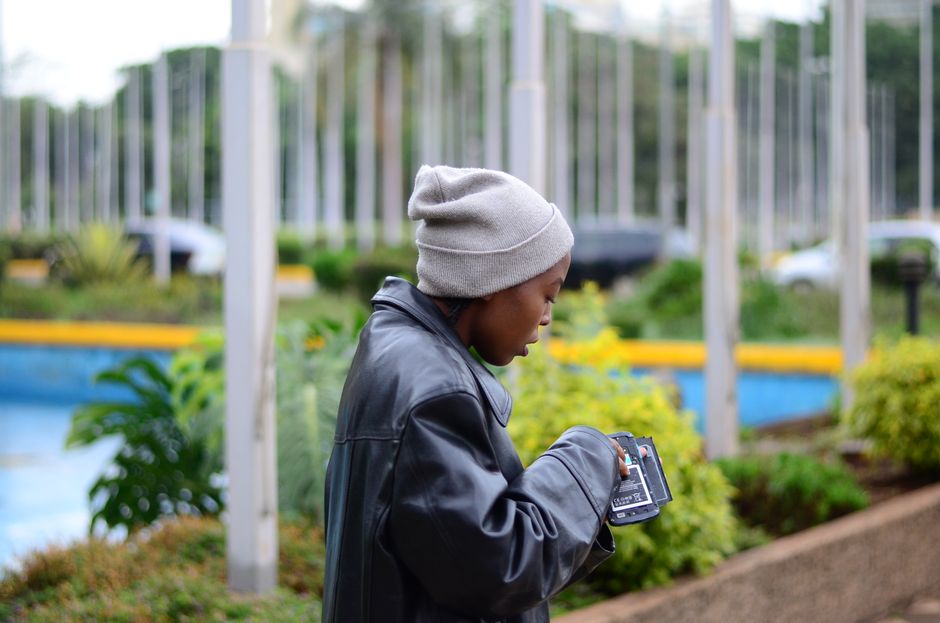
Walk through Nairobi's Karen and Westlands neighbourhoods on any given afternoon, and you'll notice something that wasn't happening eighteen months ago: international fashion scouts with ring lights, emerging designers with waitlists stretching weeks, and a palpable sense that something significant is crystallising in the city's creative ecosystem.
The shift isn't accidental. Earlier this month, the Kenya Creative Economy Council announced a Ksh 450 million investment in fashion and design infrastructure across the city's creative hubs. Downtown's revitalised Nairobi Innovation Hub has doubled its fashion workspace allocation, while River Road—historically the city's textile heartland—is experiencing its most ambitious regeneration push in a decade. Local designers report studio rents have climbed between 15-25% in premium areas, a marker of genuine economic momentum rather than speculation.
But the real conversation happening in Nairobi right now centres on something deeper: authenticity. After years of competing on price or reproducing Western aesthetics, the city's fashion voices are finally being heard—and bought—for what makes them distinctly Kenyan. The success of labels rooted in Nairobi's textile heritage, coupled with increased placement in Lagos Fashion Week and Paris showrooms, has shifted investor perception. International buyers are actively scouting along Kenyatta Avenue and Muthangari Drive, where younger designers are anchoring their operations.
What's particularly striking is the ripple effect. Musicians, artists, and visual creators are clustering around these fashion spaces. The Nanotech Innovation District near Upper Hill has transformed into an unlikely creative corridor, where a fashion studio might share a building with a music production company and an architecture firm. This cross-pollination is generating the kind of cultural momentum that typically precedes a city claiming genuine global creative standing.
The economic data backs this. Kenya's creative industries contributed approximately 3.5% to GDP in 2024, with fashion and design representing the fastest-growing subset. For individual creators, average annual earnings have increased by 40% over two years—significant movement in a sector that long struggled with sustainability.
Yet locals and industry observers emphasise this moment requires careful stewardship. Rapid growth risks pricing out the very emerging talent that's driving the moment, and infrastructure strain is already visible in power and internet reliability across cramped studio spaces. The conversation in coffee shops from Java House Westlands to Creator Hub Ngong Road reflects cautious optimism: hope that Nairobi can build something genuinely transformative, tempered by awareness that such moments are fragile.
What's undeniable is that fashion in Nairobi has stopped being a footnote to global conversation. It's becoming the conversation itself.
This article was compiled by AI from the sources linked above and screened before publishing. See our editorial standards.