Walk through Nairobi's streets in any given month, and you'll encounter a city in creative ferment. The Nairobi International Film Festival has become a bellwether moment for African cinema. The Blankets and Wine monthly gatherings in Nairobi National Park have evolved from niche gatherings into cultural touchstones drawing thousands. Yet beneath these marquee events lies something more profound: a fundamental shift in how Nairobi understands itself as a creative capital.
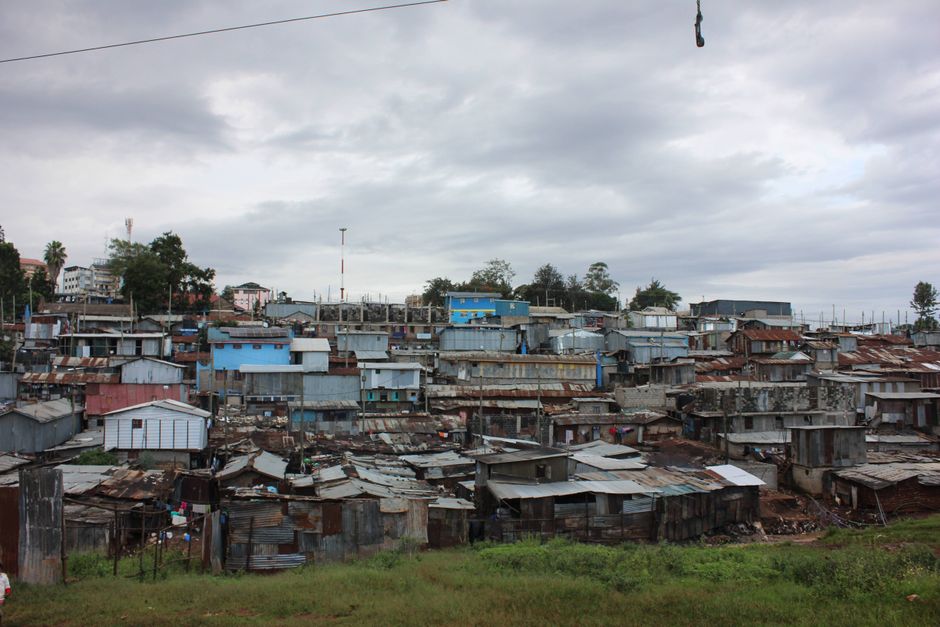
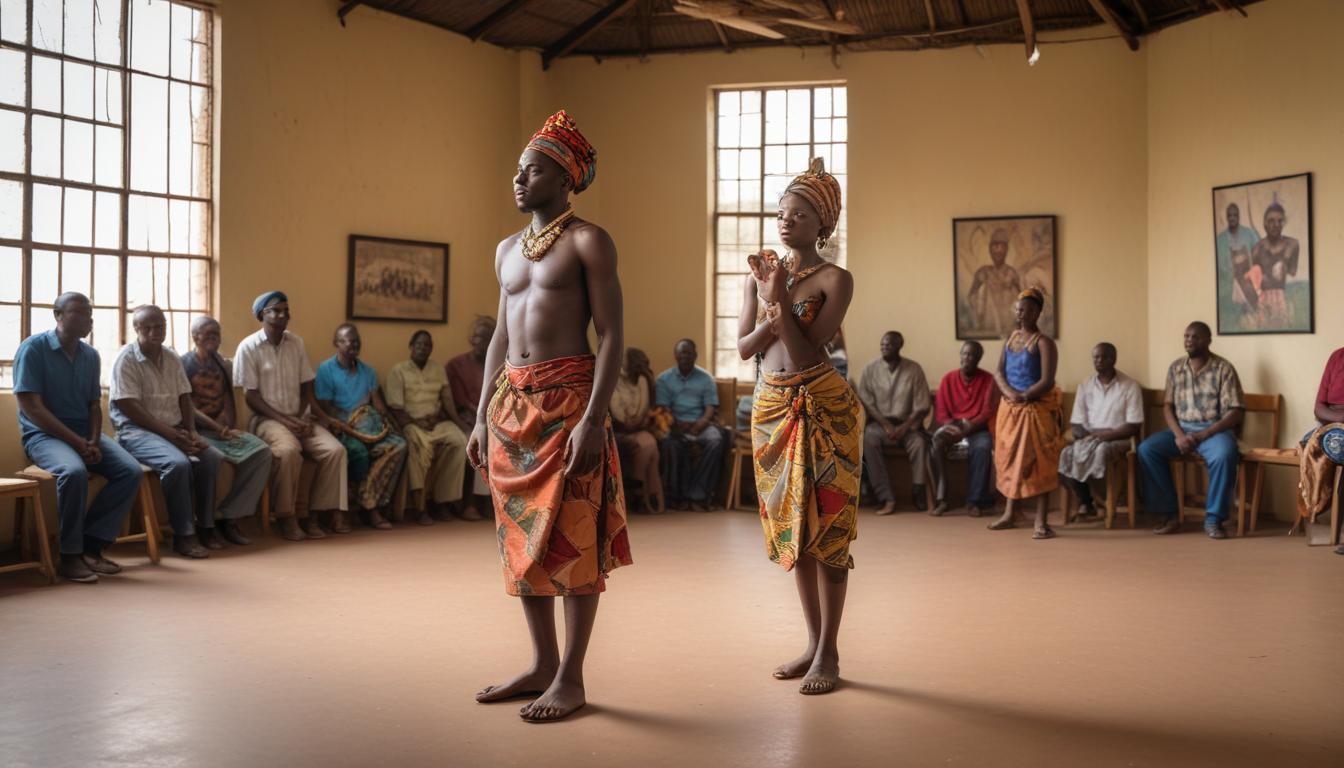
This redefinition is spatial as much as it is artistic. The Nyama Mama precinct in Westlands has become shorthand for a particular kind of creative ambition—where galleries, performance spaces, and restaurants cluster together, attracting both international investors and local artists priced out of earlier creative hubs. Meanwhile, venues like the Alliance Française and the Safari Park Hotel continue hosting theatre productions and poetry nights that draw surprisingly diverse audiences. Even Kibera, long overlooked by mainstream cultural programming, has seen grassroots festivals and community art initiatives gain traction, challenging narratives about where 'real' Nairobi culture happens.
The numbers tell part of the story. According to the Nairobi City Tourism Board, cultural and creative events contributed an estimated 8.2 billion shillings to the local economy in 2025—a 23 percent increase from 2023. Ticket prices for major festivals now range from 2,500 to 15,000 shillings, reflecting both professionalization and emerging wealth disparities in access. Yet festivals have also become occasions for negotiation: how do you celebrate Nairobi's cosmopolitanism without erasing its working-class character? How do you honor tradition while embracing experimentation?
What's striking is how festivals are becoming contested spaces where Nairobi's identity is actively shaped. The growing prominence of Kenyan designers at fashion weeks, the surge in Afrobeats and Genge performances, the multiplication of literary festivals—these aren't simply entertaining diversions. They're declarations about what kind of city Nairobi aspires to be: one that takes its creative practitioners seriously, that blends East African musical traditions with global influences, that stages its contradictions rather than hiding them.
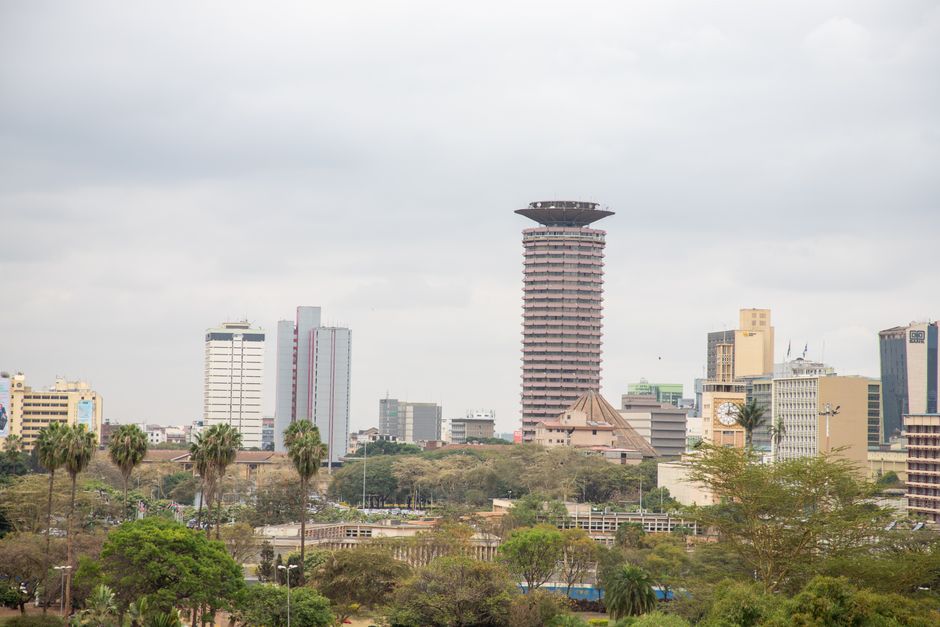
The calendar itself has become a kind of cultural text. June's focus on film and visual arts gives way to July's music festivals and August's theatre season. September brings architecture and design weeks. October returns to literary events. It's a rhythm that claims legitimacy: Nairobi's cultural life is no longer incidental to its identity as a financial hub. It's central to it.
For a city often defined externally by its safaris, slums, and startup scene, these festivals represent something quieter and more powerful: the right to self-definition. Nairobi is declaring, through its cultural calendar, that it belongs to its artists and audiences—not just its investors.
This article was compiled by AI from the sources linked above and screened before publishing. See our editorial standards.