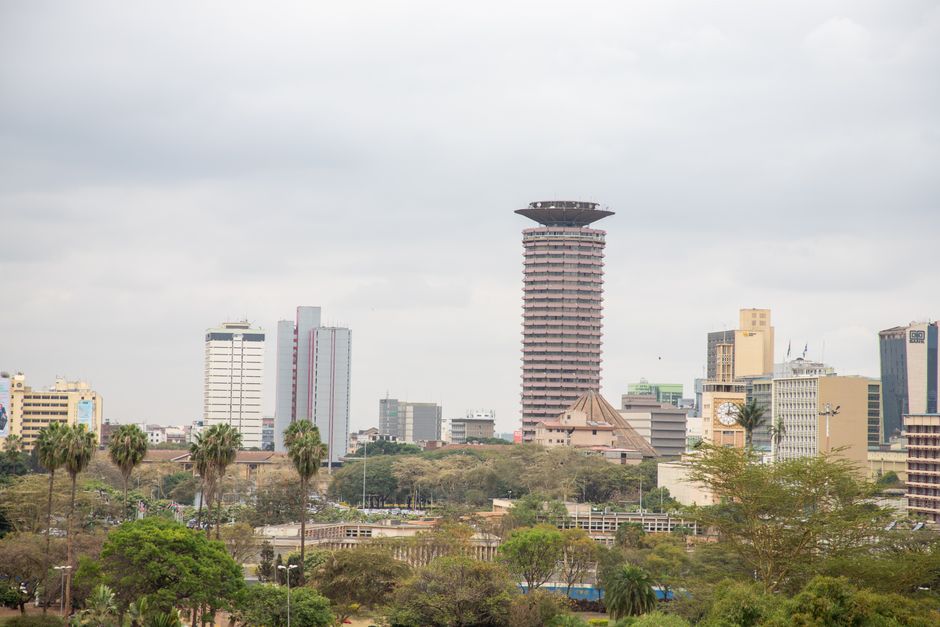
Walk down Ngong Road on a Friday evening and you'll sense it immediately—a palpable shift in Nairobi's cultural momentum. Galleries that barely existed five years ago now anchor entire blocks, drawing crowds that spill onto pavements, their conversations spilling into the warm air. This isn't accident. It's the product of a deliberate, grassroots movement driven by artists, curators, and community organisers who refused to wait for institutional permission.
The numbers tell part of the story. Since 2022, over forty independent galleries and artist-run spaces have opened across Nairobi's creative corridors—from the industrial renovations of Kasarani to the boutique galleries clustering around Parklands. Entrance fees rarely exceed 300 shillings, a deliberate choice to democratise access. The Nairobi Contemporary Art Initiative estimates the sector now contributes roughly 2.3 billion shillings annually to the local economy, employing over 800 people directly.
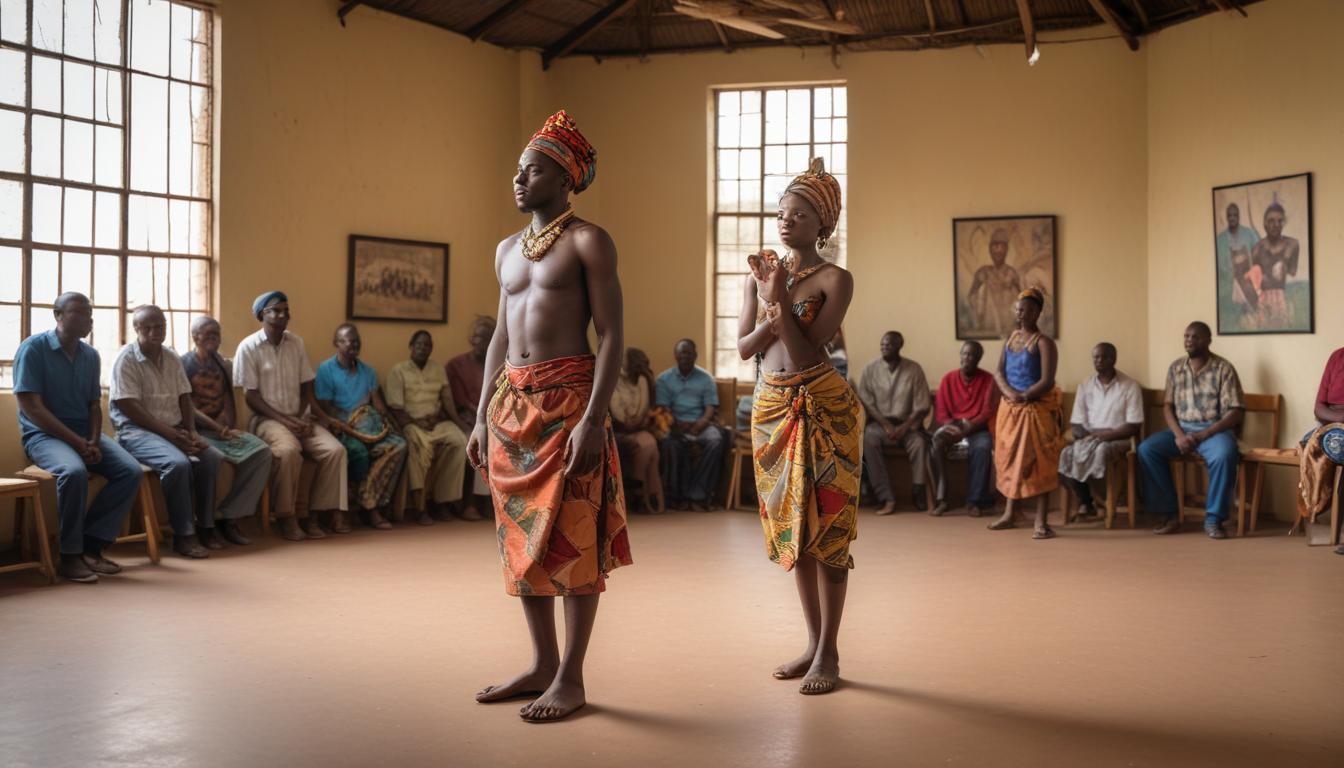
What distinguishes this movement from previous art booms is its focus on community ownership rather than top-down curation. Spaces like those emerging in Kilimani and along the Matopeni corridor are often cooperatives—shared studios where rent is pooled, knowledge is exchanged, and emerging artists mentor newcomers. Monthly "First Friday" events, now drawing 3,000-5,000 visitors across participating venues, have become the city's unofficial cultural calendar marker.
"We're not replicating London or New York," explains the philosophy underpinning many of these spaces. Instead, curators are intentionally centering Kenyan and East African narratives, moving away from the colonial gaze that long dominated local art discourse. Photography collectives, textile innovators, and digital artists who might have previously sought opportunities abroad are finding viable platforms at home.
The movement has also catalysed tangible urban renewal. Neighbourhoods like Eastleigh and parts of South B, previously overlooked by the city's cultural establishment, are experiencing gentrification-adjacent investment—though community-led initiatives are attempting to ensure long-time residents benefit rather than face displacement.
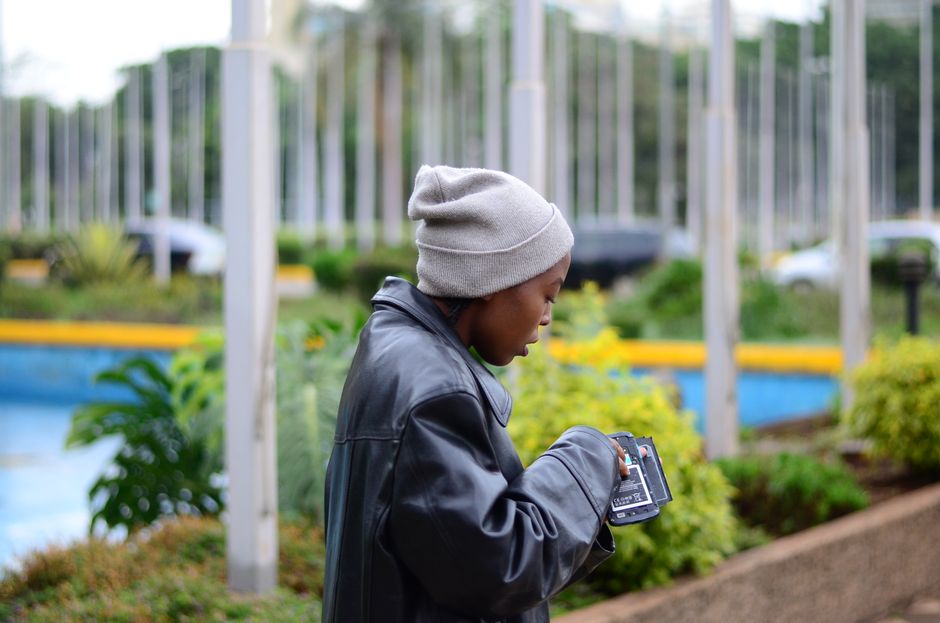
Not everything is seamless. Inconsistent electricity, limited cold storage for installations, and competition for premium wall space create ongoing tensions. Yet the momentum persists. Young Nairobi is reclaiming its narrative through paint, lens, and collaborative spirit—proving that transformative cultural shifts don't require foreign validation. They require community conviction.
This article was compiled by AI from the sources linked above and screened before publishing. See our editorial standards.