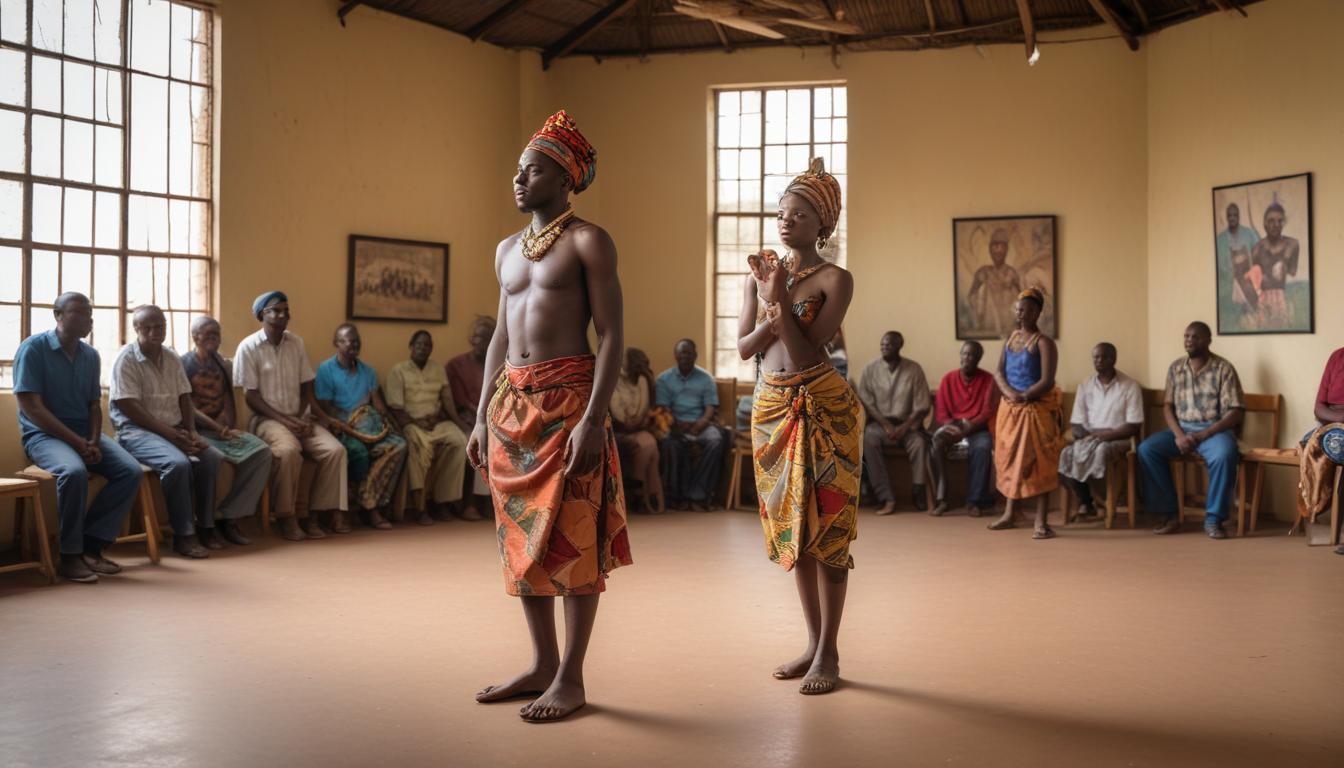
Walk into The Nairobi Theatre on Harry Thuku Road on any given Thursday evening, and you're likely to encounter work that wouldn't have found a stage in Nairobi five years ago. Contemporary monologues about queer identity. Experimental pieces blending Sheng with classical dramatic technique. Adaptations of Kenyan literature that refuse to soften their political edges. This is the texture of Nairobi's emerging performance landscape—and it's nothing like the established institutional theatre that dominated the city's cultural conversation a decade ago.
The shift is unmistakable. While the Kenya National Theatre continues its important work along Mombasa Road, a parallel ecosystem has flourished in smaller, scrappier venues. The Lens, a 60-seat independent theatre in Kilimani, has become a laboratory for debut playwrights, hosting monthly new work showcases where tickets sell for 500 shillings and artists routinely turn away audiences. Across town, in Eastleigh's cultural commons, grassroots collectives are creating performance pieces rooted in neighbourhood narratives that major institutions have historically overlooked.
This decentralisation reflects broader industry shifts. Kenya's film sector—valued at approximately 23 billion shillings annually—increasingly attracts young directors who grew up consuming global digital content but are determined to tell distinctly Kenyan stories. Platforms like Africa Pixels and independent distribution networks have lowered barriers to entry. The result: a cohort of filmmakers in their late twenties and thirties producing work that screens at AFRIFF and Tribeca before reaching local audiences.
What distinguishes this wave is its willingness to interrogate form itself. Rather than mimicking Western theatrical or cinematic conventions wholesale, emerging artists are mining Kenyan oral traditions, experimenting with audience participation, and deliberately creating work that resists easy categorisation. A 28-year-old playwright's multimedia piece performed at the British Council might incorporate traditional dance, live projection, and audience testimony. A debut feature shot on a modest budget in Kibera might employ non-linear narrative structure inspired by hip-hop production techniques.
The infrastructure supporting these artists remains fragile. Arts funding in Kenya remains limited, with most emerging creatives cobbling together support through grants, teaching work, and day jobs. Yet the sheer volume of application submissions to emerging artist programmes suggests momentum is genuine. What's happening in Nairobi's theatres and on independent film circuits isn't marginal activity—it's becoming the city's creative centre of gravity.
For audiences, this means more choice, more risk-taking, and more opportunities to witness artists still developing their distinctive voices. The next wave isn't waiting for institutional validation. It's performing now.
This article was compiled by AI from the sources linked above and screened before publishing. See our editorial standards.