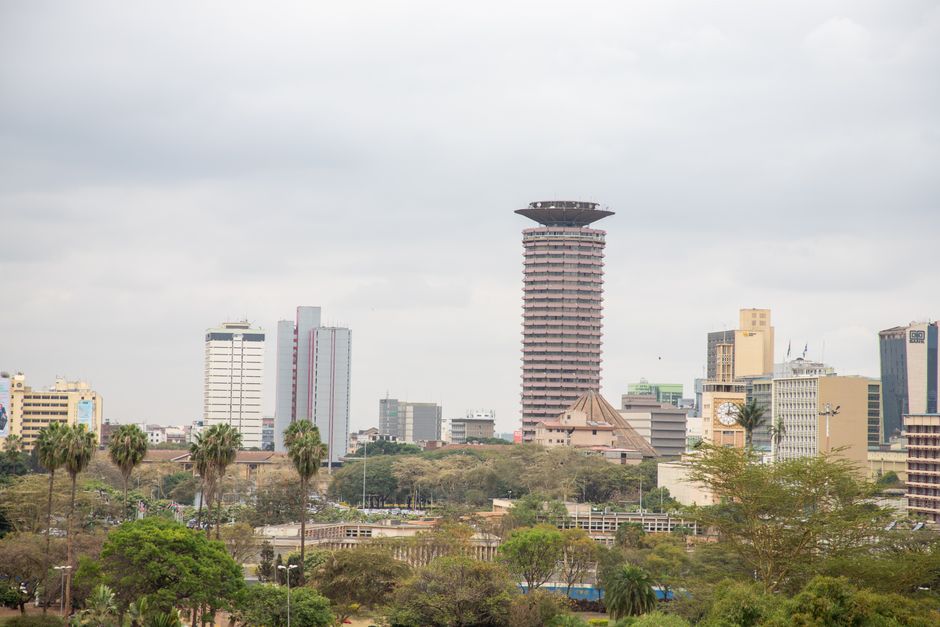
Walk down Harry Thuku Road today and you'll find yourself amid a thriving arts district that would have seemed unimaginable just two decades ago. Yet Nairobi's journey as a centre for film and theatre stretches back over a century, rooted in the city's colonial past and transformed by the ambitions of successive generations of Kenyan artists.
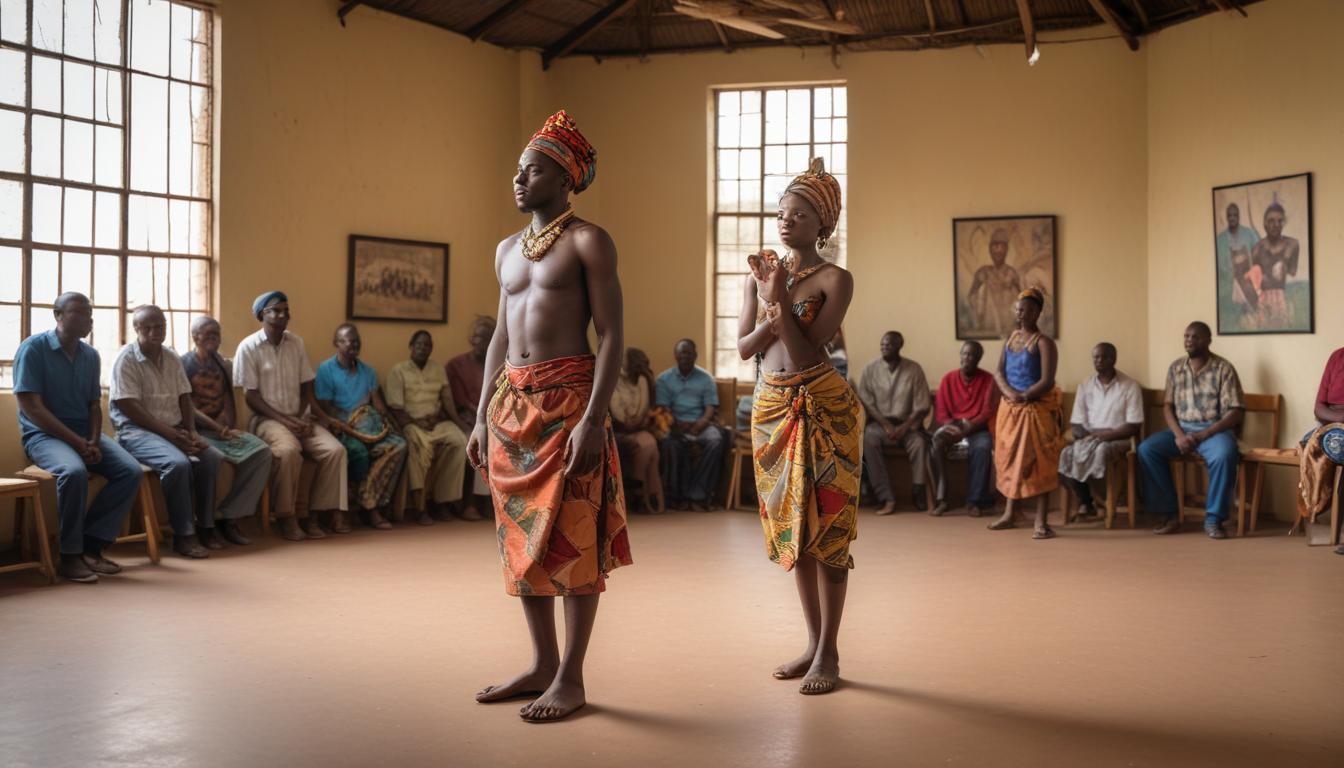
The National Theatre, opened in 1952 on Moi Avenue, anchored Nairobi's performing arts identity for decades. In its early years, it hosted primarily European dramatic productions and visiting international acts. By the 1970s and 1980s, however, Kenyan playwrights and theatre companies began reclaiming the space, staging works that grappled with independence, identity, and the post-colonial condition. Figures from this era established traditions that still resonate today.
The turning point came in the 2000s, when smaller, more experimental venues began proliferating across the city. The Kenya National Film Board, established in 1986, catalysed growing interest in documentary and independent cinema. Art spaces like Kuona Trust in the Industrial Area and later galleries in Westlands started hosting screenings and theatrical performances, democratising access beyond the formal theatre district.
Today's landscape is strikingly diverse. The Nairobi International Film Festival, now in its nineteenth edition, draws submissions from across the continent and diaspora. Independent theatres have sprouted in converted warehouses and storefronts—particularly in Karen and along the newly revitalised Ngong Road cultural corridor. Ticket prices range from 500 shillings for grassroots productions to over 3,000 for mainstream offerings, reflecting a market that now spans working-class audiences and affluent patrons alike.
The digital revolution has accelerated this transformation. Virtual performances during pandemic lockdowns proved that Nairobi's creative ecosystem could adapt and survive unprecedented disruption. Streaming platforms have since become complementary rather than competitive, with theatre companies using online content to market live performances and reach diaspora audiences.
What strikes observers most is the demographic shift. Where theatre once catered to an elite, educated audience, today's venues are filled with Gen-Z artists pushing boundaries on gender, sexuality, and political expression. Young producers are experimenting with Sheng, blending traditional narrative forms with contemporary concerns about climate, inequality, and mental health.
From colonial drawing-room comedies to radical contemporary art, Nairobi's performing arts scene reflects the city itself: restless, hybrid, constantly negotiating between tradition and innovation. As new venues continue opening and international collaborations deepen, the question is no longer whether Nairobi belongs among Africa's cultural capitals—it already does.
This article was compiled by AI from the sources linked above and screened before publishing. See our editorial standards.