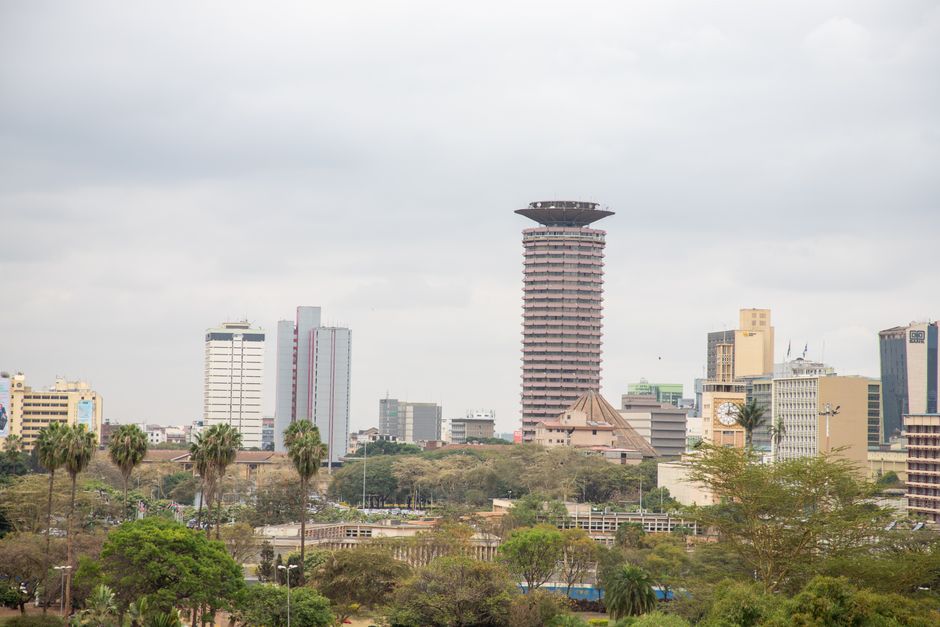
Nairobi has quietly become one of Africa's most dynamic creative capitals, yet many international visitors arrive unprepared for the sophistication of its fashion and design ecosystem. The city's creative industries now contribute an estimated 4.5% to Kenya's GDP, with fashion design driving much of that growth through both local and export markets that reach boutiques from London to Lagos.
Start your exploration in Westlands, where contemporary design galleries cluster along Mpesi Lane and Limuru Road. The Nairobi Design Week, typically held in October, transforms this neighbourhood into a creative epicentre, but year-round you'll find showrooms like Gallery Watatu and independent design spaces showcasing everything from sustainable textile work to avant-garde jewellery. Expect to spend between 3,000 and 15,000 KES on statement pieces from established local designers—significantly less than European equivalents for comparable quality.
The real heartbeat, however, pulses through Kibera and surrounding informal settlements, where a generation of self-taught designers operates from modest studios, often working with recycled materials and traditional Kenyan textiles. These neighbourhoods have become pilgrimage sites for fashion students and curators seeking authentic innovation. The Kibera Fashion Hub, still developing, welcomes visitors by arrangement and offers insight into how constraints fuel creativity. Bring cash; most transactions here operate outside formal banking systems.
Don't miss the Karen Blixen Museum area, where several heritage-conscious design studios have established themselves, blending colonial architecture with contemporary practice. The Kenya National Theatre on Harry Thuku Road regularly hosts fashion shows and design exhibitions—check the schedule ahead of your visit, as these events often run Tuesday through Friday evenings.
For shopping, Sarit Centre in Westlands caters to international visitors with curated Kenyan designers, while the more adventurous should navigate the Fashion Hub on Muindi Mbingu Street, where wholesale and retail converge. Prices here range from 500 KES for mass-produced items to 50,000+ KES for bespoke tailoring.
Critical timing note: June through August sees reduced activity as many designers travel for international fashion weeks. Plan your creative industries visit for September through May for maximum gallery openings and designer availability. Most independent studios operate informally—Instagram has become the de facto directory. Follow hashtags like #NairobiDesignWeek and #KenyanFashion to map current hotspots.
Budget three to four days minimum to experience Nairobi's design world authentically. Hire a local guide familiar with the creative scene; several operate through tourism boards and can navigate you safely while providing context that transforms casual shopping into cultural immersion.
This article was compiled by AI from the sources linked above and screened before publishing. See our editorial standards.