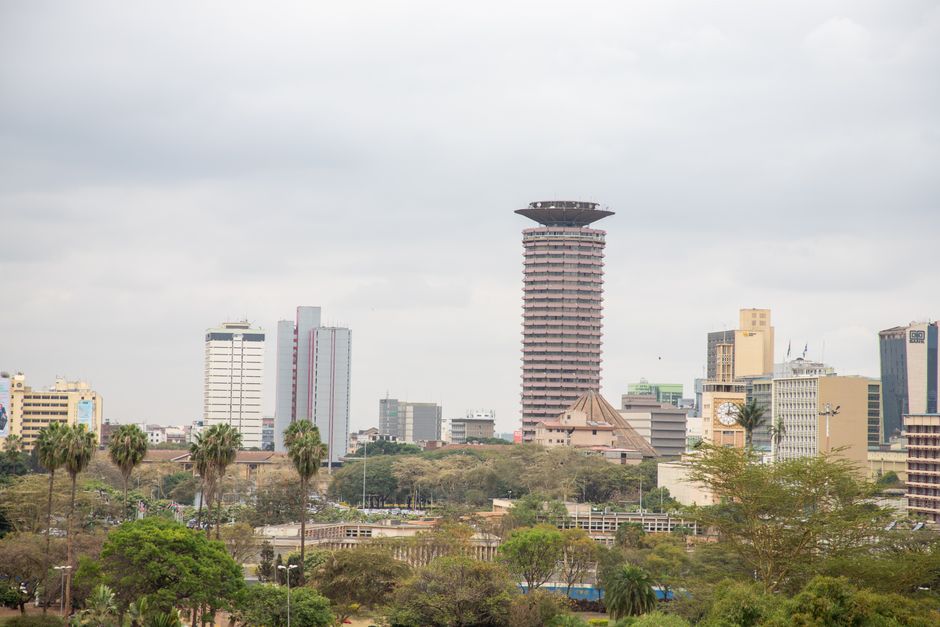
Walk through Kenyatta Avenue on a Tuesday morning and you'll spot fresh work covering last month's tags. In Parklands, a sprawling mural about urban water scarcity has become an Instagram pilgrimage site. Meanwhile, in the industrial pockets around Gikomba, younger artists are converting warehouse walls into rotating exhibition spaces. Nairobi's street art scene is no longer a footnote in the city's cultural landscape—it's become the main narrative.
The shift is generational. While established names like the collective behind Nairobi's iconic railway underpass pieces built their reputation in the early 2010s, a fresh cohort—artists aged 22 to 32—is experimenting with scale, medium, and message. They're moving beyond decorative muralism into commentary: climate anxiety, displacement, digital saturation, and the gentrification eating into neighbourhoods like Kilimani and Lavington.
Several spaces are incubating this energy. GoDown Arts Centre in the Industrial Area continues hosting monthly open studio nights where emerging muralists exhibit alongside photographers and sculptors. Admission runs 200-300 shillings, and attendance has grown 40% year-on-year since 2024. Similarly, the recently expanded Banana Hill Creative Studios—nestled between Kileleshwa and Westlands—offers subsidised wall space to artists under 35, charging roughly 5,000 shillings monthly for a 2x3 metre surface.
What distinguishes this wave is their refusal of nostalgia. Where predecessor muralists often documented Nairobi's informal economy or pan-African iconography, newer voices are interrogating the city's relationship to technology, inequality, and identity. Several are experimenting with augmented reality overlays, embedding QR codes into physical work that unlock audio narratives or short films when scanned—a hybrid approach that confuses purists but excites younger audiences.
The economics remain precarious. Most emerging artists piece together income through commissions (typically 30,000-80,000 shillings for a mid-sized mural), gallery partnerships, and teaching workshops at NGOs like Zarura Arts in Mathare. Few earn sustainable full-time income solely from street practice. Yet galleries like Documenta and Bamburi Contemporary have begun actively scouting street artists, signalling a shift in how the establishment values this work.
Venues matter, but so do networks. WhatsApp groups and Instagram collectives—some with 2,000+ members—coordinate flash murals, organise studio tours, and circulate calls for public art bids. This decentralised infrastructure has democratised access, though it's also created fierce competition for visibility.
As Nairobi's real estate pressure intensifies and walls get whitewashed or demolished, these emerging voices are in a race to establish themselves. Whether they'll become the celebrated names of the 2030s depends partly on their own ambition—and partly on whether the city decides their work is worth protecting.
This article was compiled by AI from the sources linked above and screened before publishing. See our editorial standards.