Nairobi's Fashion Renaissance: How Design Collectives Are Redefining the City's Creative Soul
From Westlands' boutique studios to Kibera's grassroots workshops, fashion designers are cementing Nairobi's place as East Africa's creative powerhouse.
From Westlands' boutique studios to Kibera's grassroots workshops, fashion designers are cementing Nairobi's place as East Africa's creative powerhouse.
Walk through the laneway studios tucked behind the Nairobi National Museum or venture into the converted warehouses dotting Kilimani, and you'll witness something profound: a generation of designers claiming the city's creative identity with needle and thread.
Nairobi's fashion sector has evolved from a niche market into a significant economic and cultural force. According to the Kenya National Bureau of Statistics, the creative industries contributed approximately 2.6% to GDP in 2024, with fashion and textiles representing one of the fastest-growing subsectors. Yet the numbers tell only half the story.
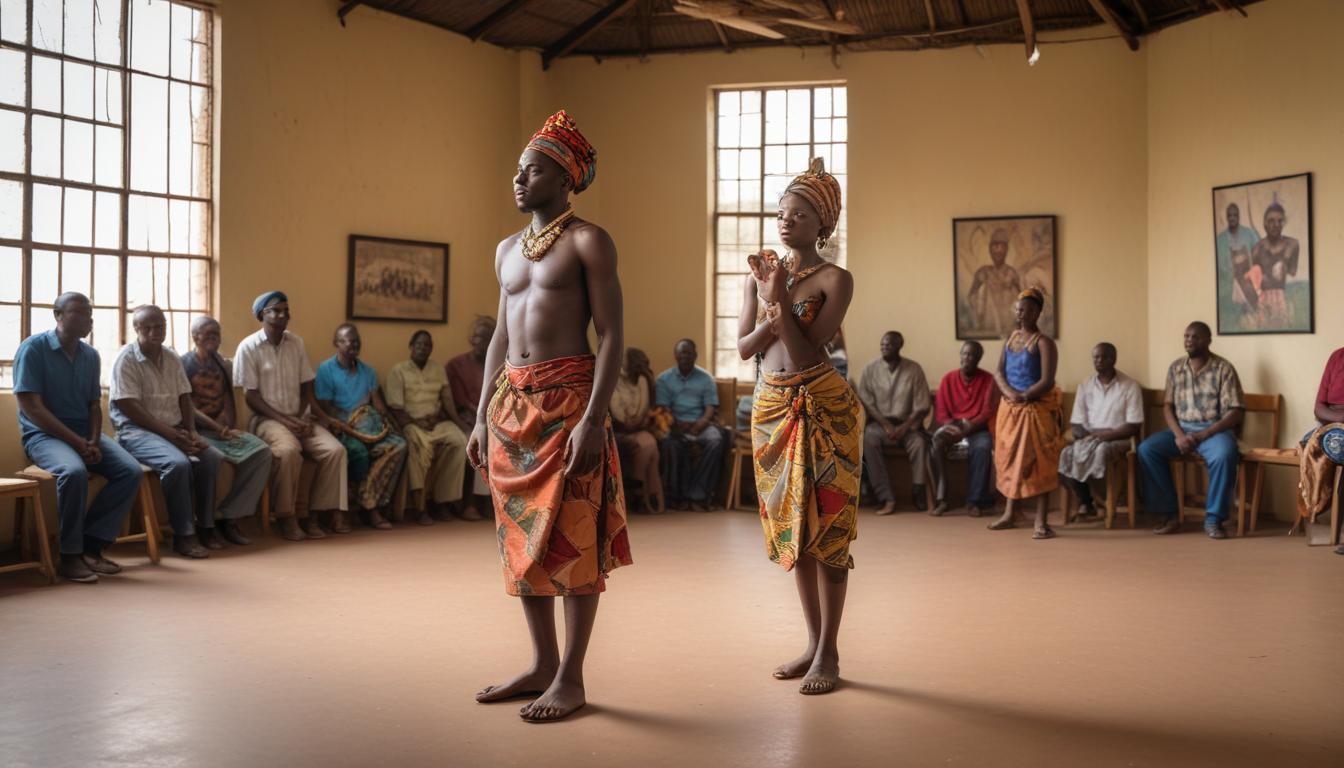
The real transformation lies in spaces like the design hub in Westlands, where young creatives collaborate across disciplines, blending traditional Kenyan textiles with contemporary silhouettes. These aren't isolated ateliers—they're cultural laboratories. Designers working along Banda Street and in Kilimani's industrial zones are deliberately mining Kenya's sartorial heritage: indigo dyes, beadwork traditions, and weaving techniques passed down through generations. The results appear on international runways and, crucially, remain rooted in Nairobi's streets.
What defines this moment is authenticity born from place. Unlike fashion capitals that sometimes feel disconnected from their hinterlands, Nairobi's designers maintain direct relationships with artisans in rural communities. A dress constructed in a Westlands studio might incorporate hand-dyed fabrics from Kisii or beadwork from Maasai cooperatives—economics that ripple outward from the city center.
The accessibility factor matters too. Pop-up markets in Nairobi's parks and shopping districts have democratized high fashion. A quality locally-designed piece now costs between 3,000 to 15,000 KES—expensive but attainable for middle-class consumers, creating sustainable demand that supports entire creative ecosystems.
This cultural identity isn't superficial branding; it's survival and resistance. As global fast fashion floods African markets, Nairobi's designers are asserting that the city's creative voice—distinct, unapologetically African, deeply local—has irreplaceable value. They're telling investors, tourists, and young Kenyans that culture here isn't imported.
When international media spotlights Nairobi's creativity, the fashion industry now sits alongside our music, film, and tech scenes as proof of the city's multifaceted dynamism. This isn't just commerce. It's how Nairobi is writing its own story, stitch by stitch.
This article was compiled by AI from the sources linked above and screened before publishing. See our editorial standards.
How does this story make you feel?
Spread the word
About this article
Published by The Daily Nairobi
Daily brief
Free, in your inbox before 7am. Weekdays.
More in culture