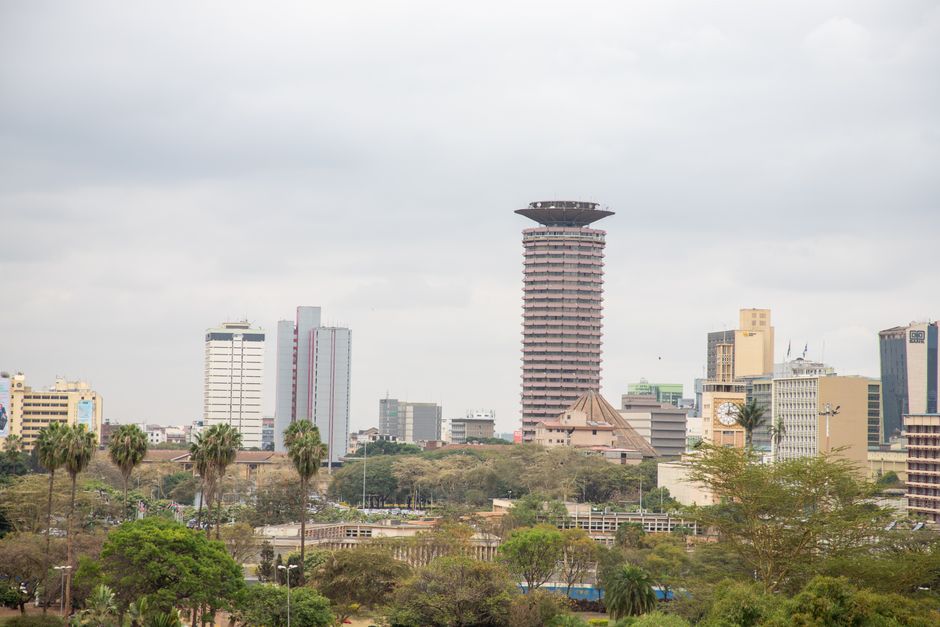
Walk down Westlands' tree-lined avenues today and you'll find yourself navigating an entirely different culinary landscape than the one your parents inhabited. The Nairobi restaurant and bar scene—once defined by stuffy hotel dining rooms and expatriate watering holes—has undergone a radical metamorphosis that tells the story of Kenya's broader cultural maturation.
In the 1990s, Nairobi's dining options were remarkably limited. The Safari Park Hotel, Serena, and Fairmont dominated, catering primarily to tourists and wealthy locals willing to drop 2,500 shillings on a mediocre steak. Local eating culture centered on casual joints and street food: nyama choma grills in Eastleigh, samosa vendors in River Road, Tusker-fueled conversations in downtown bars. The separation was stark—fine dining was foreign, local food was not.
The turning point came around 2005-2010, when young Kenyan entrepreneurs—many educated abroad—began reimagining what Nairobi dining could be. Venues like Carnivore and Bomas started experimenting with presenting local ingredients with contemporary techniques. By 2015, the explosion accelerated. Upper Hill and Karen transformed into dining destinations. Restaurants began celebrating Kenyan coffee, organic produce from Central Province farms, and indigenous grains. The industry grew to encompass roughly 2,000 registered food establishments by 2023, according to the Kenya Restaurant Association.
Today's Nairobi boasts distinct food districts. Westlands remains the playground of fine dining and international cuisines, where prix-fixe menus hover around 4,500-6,000 shillings. But neighborhoods like Kilimani and South C have democratized quality food, with innovative eateries offering exceptional meals at 800-1,500 shillings. The CBD's food scene has experienced remarkable revival, particularly along Kenyatta Avenue and around the revitalized River Road cultural zones.
What's perhaps most significant is how this evolution has validated local culinary traditions. Farm-to-table concepts now showcase githeri, mukimo, and sukuma wiki prepared by chefs trained at the Nairobi Institute of Culinary Arts. Craft beverage culture—once dominated entirely by multinational beer brands—now includes local gin distilleries, specialty coffee roasters, and indigenous herbal drink producers competing for shelf space.
The pandemic briefly disrupted this momentum, forcing many venues to close. But 2024-2025 saw remarkable recovery, with new openings emphasizing sustainability and community engagement. Today's Nairobi food scene reflects something unmistakably authentic: a city confident enough to celebrate its culinary heritage while embracing global innovation. That represents genuine cultural evolution.
This article was compiled by AI from the sources linked above and screened before publishing. See our editorial standards.