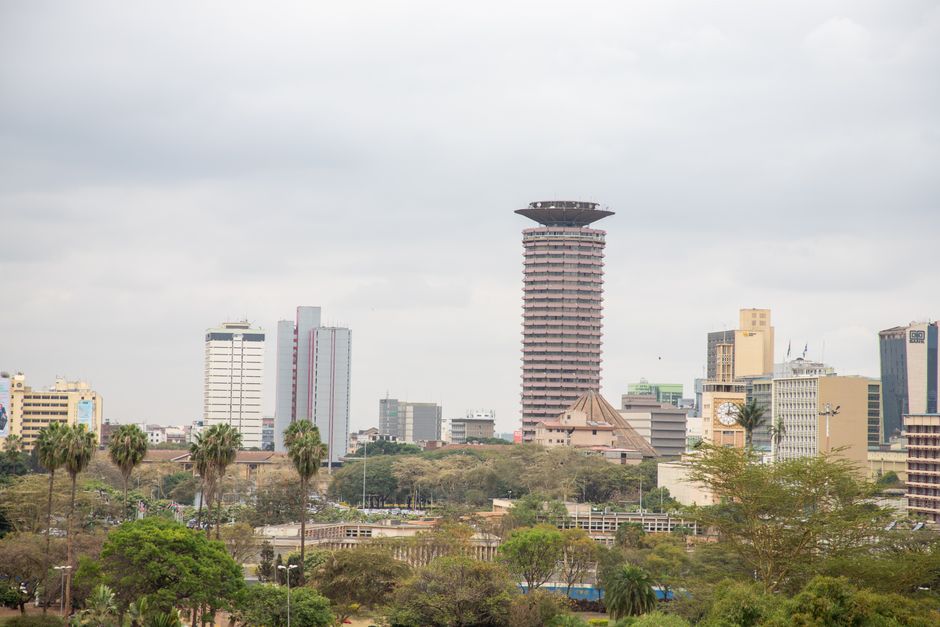
Walk through the leafy lanes of Westlands today and you'll encounter a constellation of galleries that would have seemed impossible in the 1990s. The National Museum of Kenya on Museum Hill, once a stolid repository of taxidermy and colonial artifacts, now shares Nairobi's cultural landscape with dozens of independent spaces—from the repurposed industrial studios of Nairobi's Parklands neighbourhood to the artist-run collectives dotting Kilimani's back streets.
The shift didn't happen overnight. Through the late 1990s and early 2000s, Nairobi's visual arts infrastructure remained skeletal. The museum held near-monopoly status, while a handful of commercial galleries on Koinange Street catered primarily to tourists and expatriates seeking "authentic African" pieces. Prices ranged wildly, and serious local collectors were rare. The scene felt extractive—art flowed out, capital flowed in, but cultural ownership remained contested.
The turning point arrived around 2008-2010, coinciding with Kenya's growing tech economy and diaspora investment. Platforms like Nairobi Contemporary Arts Institute (later rebranded) began staging exhibitions that centred Kenyan voices in conversation with global contemporary practice. Simultaneously, younger artists rejected the dealer-gallery model entirely, establishing artist collectives in cheaper warehouse spaces along River Road and beyond Eastleigh. Instagram, emerging around 2010-2012, democratized visibility in ways the traditional gatekeepers never had.
By 2015, the infrastructure had matured noticeably. Galleries like Marula Space in Westlands and Kuona Trust's studios in Waithaka were hosting international residencies. Museum entrance fees—now around KES 800 for locals—reflected expanded programming beyond static displays. The Kenya Arts and Music Association reported that annual foot traffic to visual arts venues had tripled since 2010, with younger Nairobians (under 35) comprising 60% of regular museum visitors.
Today's landscape is genuinely plural. The National Museum competes for audiences with dozens of private galleries, artist studios functioning as exhibition spaces, and pop-up venues in shopping malls. Virtual galleries have exploded since 2020, with artists livestreaming openings and selling works globally. Prices have stratified dramatically—emerging artists might sell pieces for KES 50,000 while established names command six figures.
Yet challenges persist. Funding remains precarious; most independent galleries operate on thin margins. Public investment in arts infrastructure hasn't matched the sector's growth. Still, the trajectory is unmistakable. Nairobi's arts scene has evolved from colonial inheritance into something genuinely indigenous, experimental, and increasingly global—a transformation that mirrors the city's own restless reinvention.
This article was compiled by AI from the sources linked above and screened before publishing. See our editorial standards.