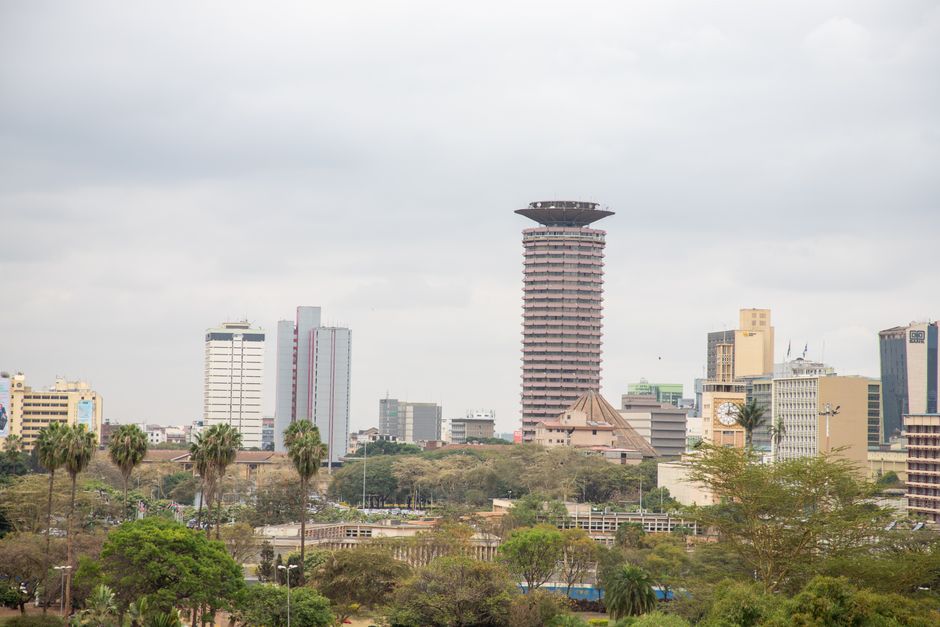
Walk through Westlands on a Friday night and you'll hear it before you see it—the unmistakable thrum of bass lines bleeding into the street, laughter spilling from packed venues, the unmistakable energy of a city that has learned to celebrate itself on its own terms. Over the past three years, Nairobi's live music and entertainment ecosystem has undergone a quiet revolution, transforming from a scattered, uncertain scene into something far more deliberate: a cultural cornerstone that's reshaping how the city sees itself.
The numbers tell part of the story. Major venues like The Alchemist in Westlands and Carnivore Restaurant in Nairobi National Park now host events five to six nights a week, with ticket prices ranging from 500 shillings for intimate acoustic sets to upwards of 5,000 for international acts. Smaller neighbourhood venues—from Café Ngoma in Karen to emerging spaces in Kayole and Eastleigh—have democratised access, making live performance less the preserve of affluent enclaves and more a citywide phenomenon.
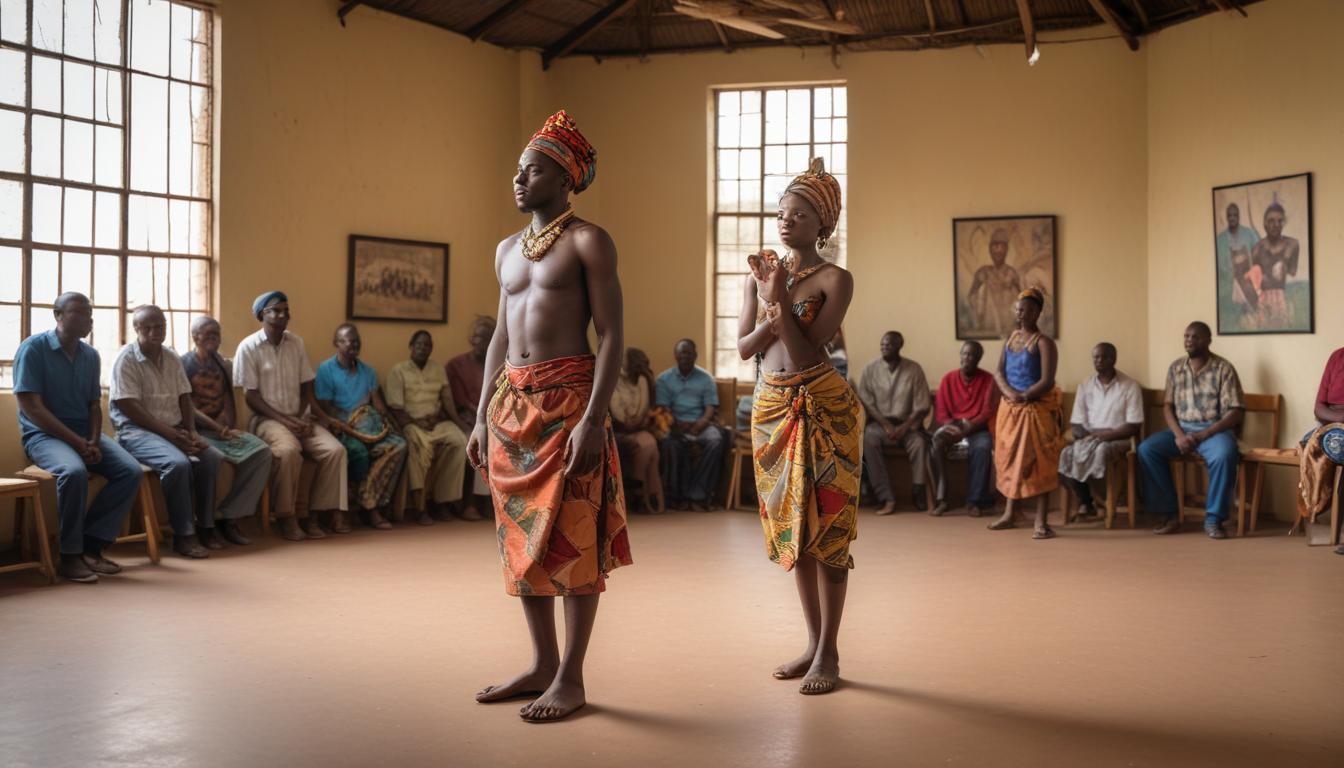
What's genuinely distinctive, though, is how these spaces have become laboratories for Nairobi's creative identity. The Garage in Industrial Area has become synonymous with experimental electronic music and avant-garde performance art. Venues along Tom Mboya Street have pivoted toward showcasing neo-traditional sounds—Kenyan artists reinterpreting benga, taarab, and other heritage forms through contemporary lenses. Meanwhile, spaces like The Watering Hole in Kileleshwa have emerged as crucial platforms for hip-hop and spoken word, genres that felt marginalised just five years ago.
This decentralisation matters. By spreading live entertainment across different neighbourhoods and price points, Nairobi has avoided the trap many global cities face: where culture becomes a luxury product consumed by a narrow elite. Instead, a teenager in Mathare can catch a live band for 300 shillings, while their counterpart in Kilimani might attend a curated electronic music festival. Both experiences are equally valid, equally Nairobi.
Beyond economics, these venues have become something deeper: spaces where the city's diverse communities—ethnic, socioeconomic, generational—actually mix. A Friday night at Kuku Rocks or a Wednesday session at Jazz Lounge brings together people who might not otherwise occupy the same spaces. That's not trivial in a city as stratified as Nairobi.
As the city continues to grow, its identity increasingly isn't defined by what it imports or aspires toward. It's defined by what happens when artists take the stage on a humid Nairobi evening, when audiences respond with genuine enthusiasm, when the conversation about who we are happens in real time, live, unfiltered.
This article was compiled by AI from the sources linked above and screened before publishing. See our editorial standards.