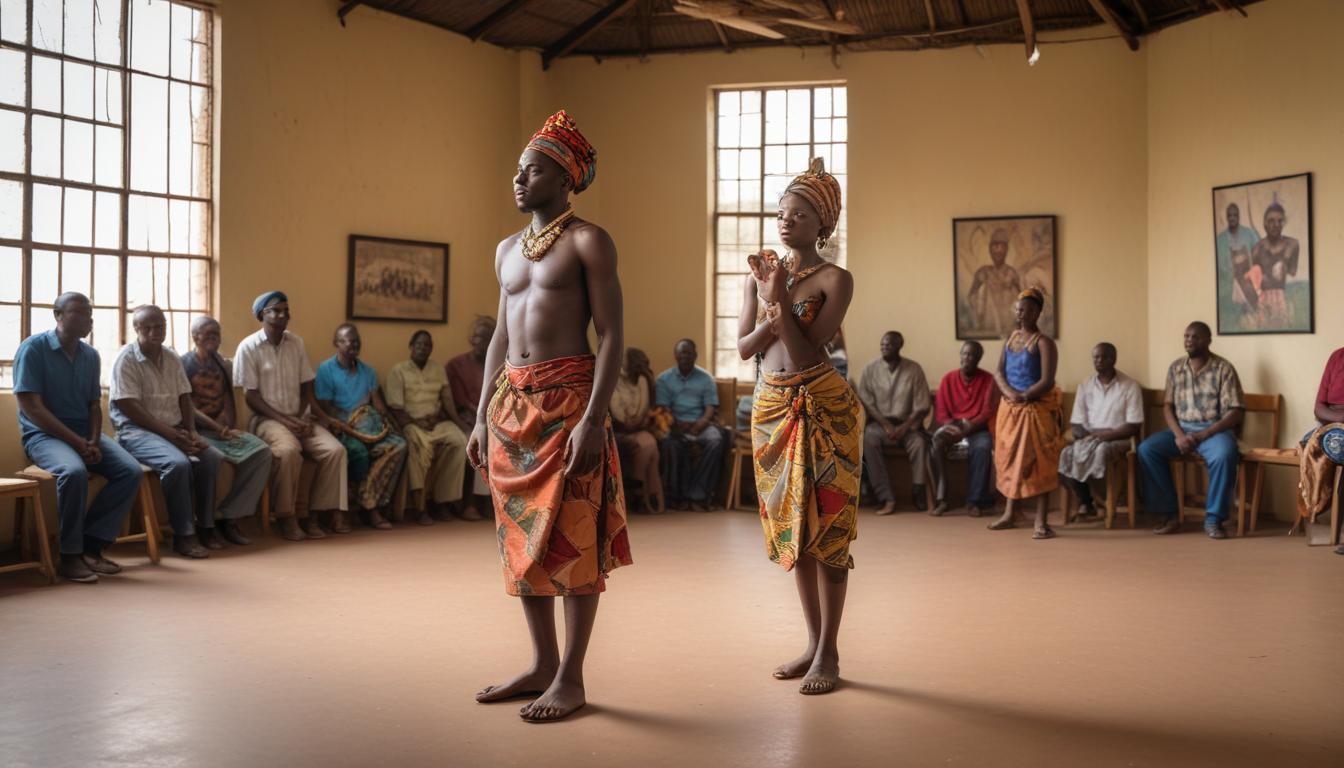
On any given Friday evening, the converted warehouse space on Ngong Road in Kilimani fills with an eclectic crowd: tech workers rubbing shoulders with university students, expat families alongside local theatre enthusiasts. The venue, one of a dozen independent performance spaces that have sprouted across Nairobi in the past three years, represents something quietly revolutionary in Kenya's cultural landscape—a democratisation of performing arts that has moved it beyond the traditional gatekeepers and into the hands of community-driven producers.
The shift is tangible. Where Nairobi's theatre scene was once concentrated in established institutions like the Kenya National Theatre and The Nairobi Performing Arts Centre in Westlands, today independent groups are generating sustained audiences through grassroots networks. According to data from the Nairobi Arts Collective, ticket sales for independent theatre productions have grown 47 percent since 2024, with average attendance figures climbing from 80 to 120 per show.
The movement encompasses diverse initiatives. In the CBD, near the junction of Koinange and Kimathi Street, experimental theatre groups are utilising small gallery spaces for intimate productions. Meanwhile, cinema collectives have reclaimed warehouse districts in Industrial Area, screening both Kenyan films and international indie productions to audiences hungry for alternatives to commercial multiplexes. Ticket prices—typically between 400 and 800 shillings—underscore an accessibility agenda that traditional venues sometimes overlooked.
What distinguishes this moment is the deliberate networking among producers. WhatsApp groups and online platforms coordinate cross-promotion; the same audiences attending an avant-garde play in Kilimani might catch a documentary screening in Westlands the following week. This ecosystem thinking represents a departure from historical silos.
The movement has also centred Kenyan narratives and voices. Productions exploring contemporary urban life, political histories and personal identity—stories sometimes considered commercially risky by established venues—now find eager audiences. Local playwrights report increased opportunities; emerging cinematographers are gaining exhibition space without navigating traditional selection committees.
Not everyone views this expansion uncritically. Some worry about sustainability, given the volunteer-dependent nature of many operations and the absence of formal funding structures. Yet the resilience is evident. Even as global headlines chronicle crises from Venezuela to the Congo, Nairobi's cultural workers have constructed something durable: a distributed network of artists and audiences invested in each other's work, meeting regularly in reclaimed spaces across the city.
The performing arts here are no longer something distant or elite. They belong to communities now, shaped by the people who show up.
This article was compiled by AI from the sources linked above and screened before publishing. See our editorial standards.