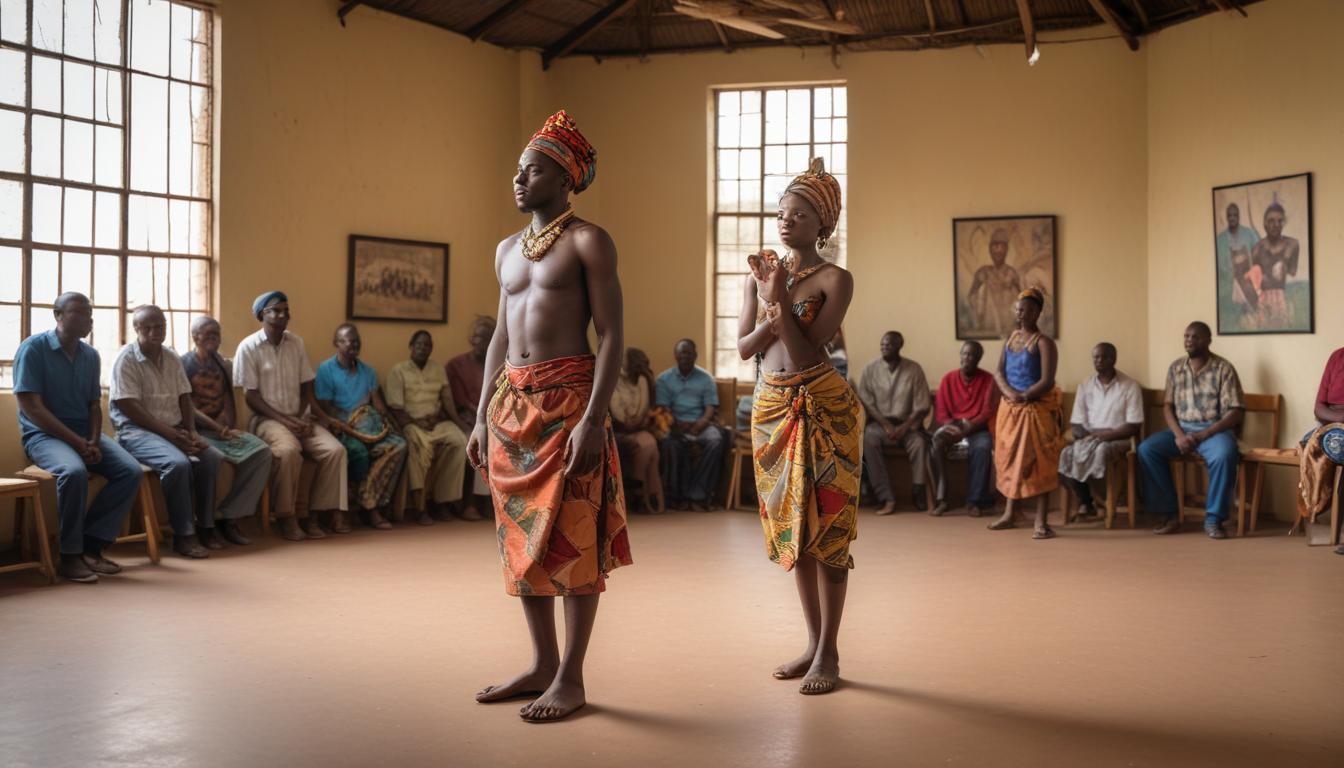
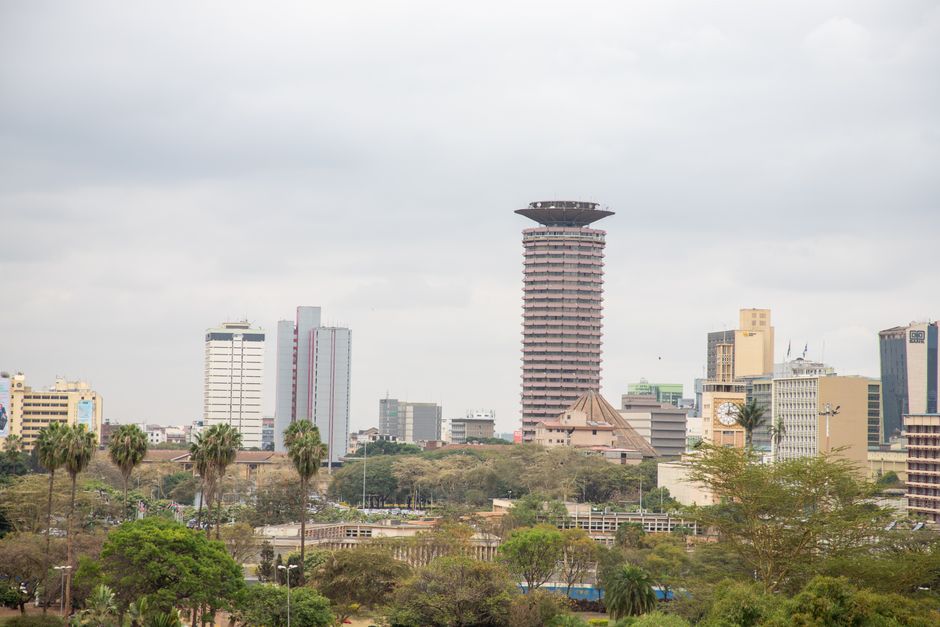
Walk into any conversation about Nairobi's future and you'll hear talk of tech hubs and real estate development. But ask those shaping the city's cultural landscape, and they'll point to something quieter yet more profound: the explosive growth of theatre venues and independent film spaces that have transformed neighbourhoods from Riverside to Kilimani into creative epicentres.
The shift has been seismic. A decade ago, Nairobi's performing arts scene was largely confined to institutional spaces like the Kenya National Theatre on Harry Thuku Road. Today, grassroots theatres have become cultural anchors. Venues like those scattered along River Road have become incubators for Kenyan playwrights, while the emergence of curated screening spaces in Westlands and Upper Hill reflects a growing appetite for independent African cinema among a demographic increasingly confident in local storytelling.
This isn't mere nostalgia or artistic indulgence. The economic data tells part of the story: ticket prices for local productions have stabilised around 500-1,500 shillings, making culture accessible to middle-class Nairobians who might otherwise consume only international entertainment. More significantly, these spaces have become identity-making institutions. A young Nairobian attending a Kenyan film premiere or a devised theatre piece about urban life finds reflection and recognition in ways that Hollywood imports simply cannot provide.
The cultural implications run deeper. Theatre and film venues have become spaces where Nairobi's complexity—its contradictions, its humour, its moral questions—gets articulated. Productions wrestling with everything from urban displacement in Kibera to the absurdities of navigating Nairobi traffic have become not just entertainment but essential social conversation. They're the city talking to itself.
This creative ferment has also reshaped how Nairobians see themselves globally. The international success of Kenyan films and theatre pieces has created a feedback loop: local audiences feel pride in homegrown excellence, which encourages more artists to stay and create here rather than chasing opportunities elsewhere. That retention of talent matters immensely for a city competing on the African and global stage.
The challenge ahead is preservation and sustainability. As property values soar across Nairobi's creative neighbourhoods, the threat of displacement looms. Independent venues operating on razor-thin margins face pressure from developers eyeing their land. Whether the city's institutions and leadership will actively protect these cultural spaces—through rent subsidies, tax incentives, or dedicated cultural districts—will largely determine whether this creative moment becomes permanent or passes like so many others.
For now, though, Nairobi's film theatres and performance spaces represent something vital: a city actively defining itself through its own stories, on its own terms.
This article was compiled by AI from the sources linked above and screened before publishing. See our editorial standards.