From Rialto to Revival: How Nairobi's Film and Theatre Scene Reinvented Itself
Decades after the grand cinemas of the 1960s gave way to multiplexes, independent venues and grassroots companies are reimagining performing arts across the city.
Decades after the grand cinemas of the 1960s gave way to multiplexes, independent venues and grassroots companies are reimagining performing arts across the city.
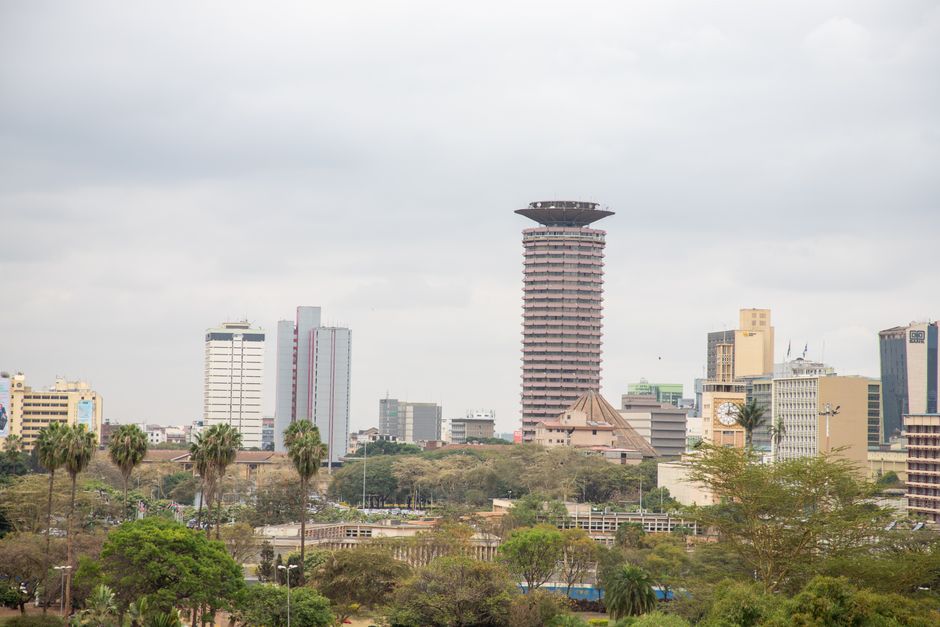
Walk down Mama Ngina Street today and the ghosts of Nairobi's golden age of cinema linger in the architectural bones of shuttered theatres. The Rialto, once the jewel of downtown screenings, now stands as a monument to a different era—one when catching a film meant dressing up and settling into velvet seats for an evening of uninterrupted glamour. But the story of Nairobi's film and theatre scene is far from a fade to black.
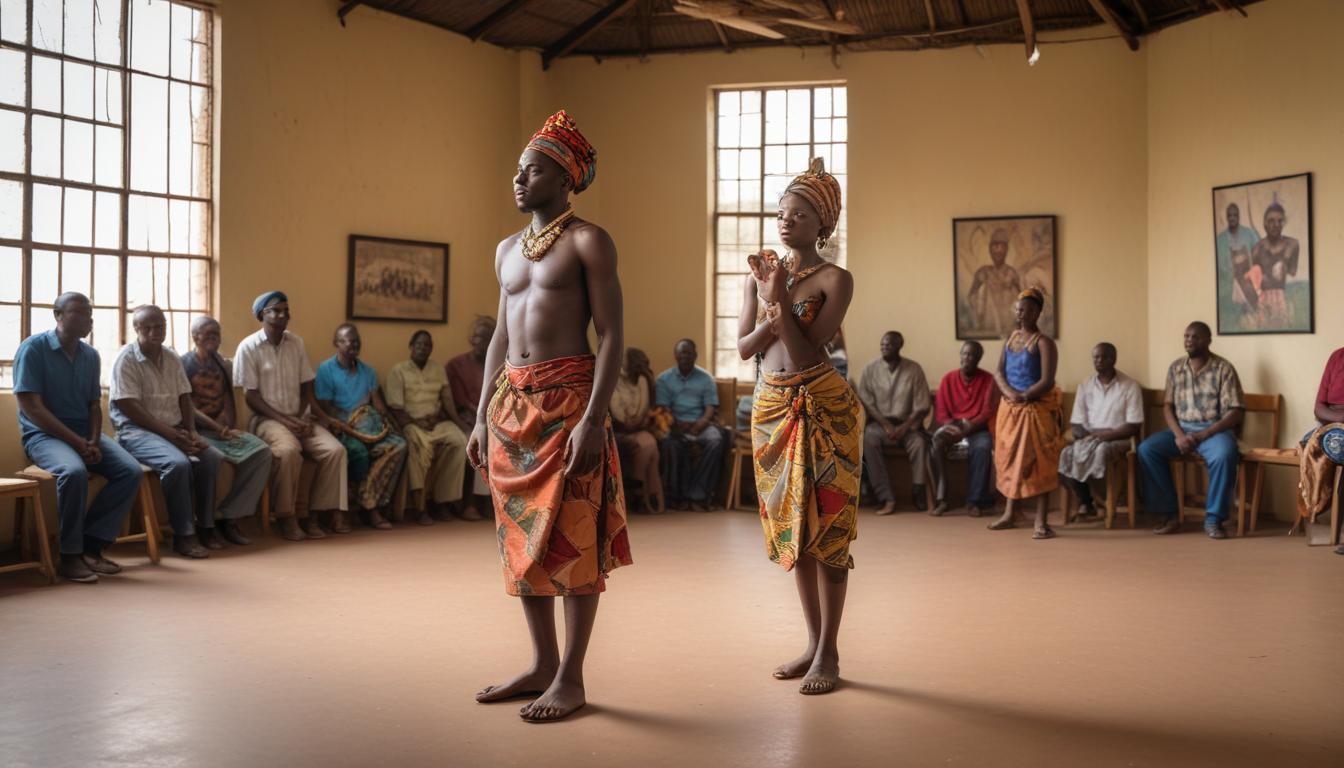
For decades, the Kenyan capital's performing arts landscape was dominated by colonial-era picture houses and a handful of community theatres tucked into school halls and church basements. Independence brought an explosion of locally-produced theatre in the 1960s and 70s, with the Kenya National Theatre on Harry Thuku Road becoming the epicentre of dramatic innovation. Yet by the 1990s, the rise of home video rental and shopping mall multiplexes—Westgate, The Hub, Sarit Centre—fragmented audiences and threatened independent venues.
The turning point arrived quietly, in neighbourhood basements and converted warehouses. The Kenyan National Film Commission, established in its current form in the early 2000s, began supporting local productions. But the real revolution came from below. Venues like Alliance Française in Gigiri reinvented themselves as cultural hubs, screening art films and hosting theatrical performances. The Kenya Film Festival, reborn as an annual event in 2010, began drawing international attention to homegrown talent.
Today, the landscape is unrecognisable from even a decade ago. Independent cinemas in Nairobi's creative pockets—Westlands, Kilimani, even Karen—now programme everything from Kenyan documentaries to international arthouse cinema. The Phoenix Theatre in Upper Hill, reopened in 2019, charges between Sh500 and Sh1,500 for performances ranging from contemporary dance to experimental theatre. Smaller grassroots groups like the Nairobi Theatre Company and Performing Artists' Association have moved beyond sporadic productions to sustained programming.
Industry data remains scattered, but anecdotal evidence suggests growing appetite: theatre performances that once drew 200 spectators now regularly fill venues with 400-plus. Documentary screenings addressing everything from climate crisis to urban migration routinely attract sold-out crowds at independent cinemas.
The evolution reflects a broader truth about Nairobi's cultural maturation. As the city consolidates its role as East Africa's creative hub, its film and theatre scene—built on the bones of colonial grandeur but energised by digital-native audiences and diaspora investment—is finally writing a story that belongs entirely to itself. The curtain, it seems, has only just risen.
This article was compiled by AI from the sources linked above and screened before publishing. See our editorial standards.
How does this story make you feel?
Spread the word
About this article
Published by The Daily Nairobi
Daily brief
Free, in your inbox before 7am. Weekdays.
More in culture