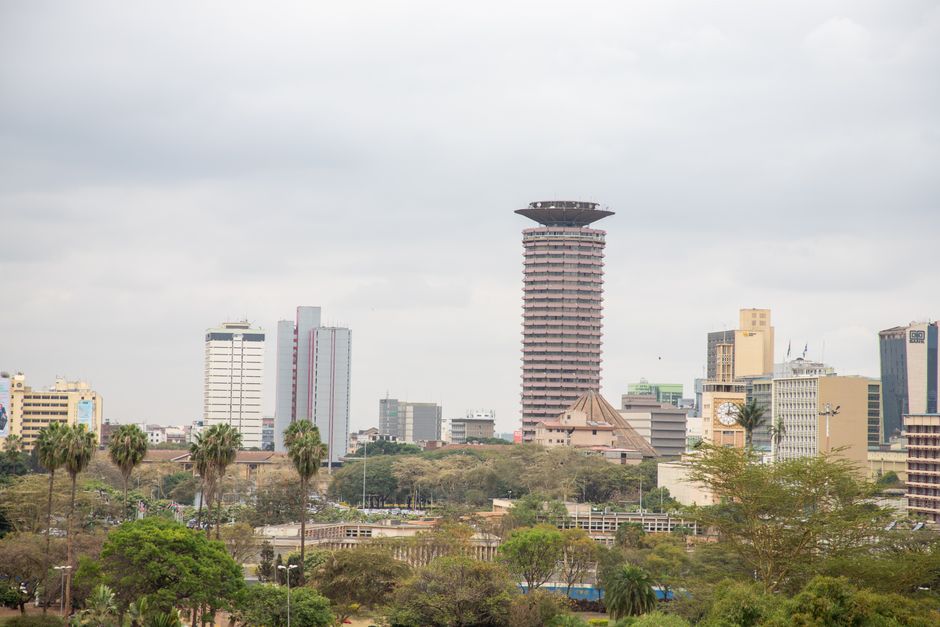
Walk down River Road or through the backstreets of Eastleigh these days, and you'll notice something shifting beneath Nairobi's relentless development boom. Conversations in matatus, WhatsApp groups, and even at the Wednesday evening heritage walks organised by the Nairobi Heritage Society have crystallised around a single, urgent question: who decides what Nairobi remembers?
The catalyst is concrete. Over the past eighteen months, three significant early 20th-century buildings in Eastleigh—including a restored 1920s warehouse on First Avenue—have either been demolished or face imminent demolition to make way for mixed-use developments. Simultaneously, the City County's urban renewal push has accelerated heritage site assessments across Parklands, Kilimani, and Westlands, sparking fierce debate about preservation versus progress.
"We're not against development," says the Nairobi Heritage Society, which has seen membership jump from 340 to over 890 people in the past year. "But we're watching our identity disappear faster than anyone anticipated." The organisation has begun crowdsourcing heritage documentation—residents photograph facades, interiors, and architectural details before buildings vanish. Some entries include asking prices for period features; a 1950s tilework set from a Nairobi CBD building recently sold for 85,000 shillings to a Westlands property owner attempting to preserve aesthetic integrity.
The economic argument complicates matters. Land in established neighbourhoods now commands premiums that make heritage preservation financially unviable for many owners. A modest property in Kilimani valued at 45 million shillings in 2020 now fetches 78 million, making the difference between preservation budgets and demolition economically decisive.
What's genuinely capturing public attention, however, is the cultural disconnect. Younger Nairobi residents—many unfamiliar with the city's colonial and post-independence architectural narratives—are now actively seeking context. Heritage walks on weekends draw crowds; Instagram accounts documenting disappearing buildings gain thousands of followers monthly. There's an emerging recognition that Nairobi's architectural layers tell stories about migration, commerce, adaptation, and identity that matter beyond nostalgia.
The City County has promised a comprehensive heritage register by September 2026, though scepticism remains high. Meanwhile, the Nairobi National Museum expanded its urban architecture exhibition to include digital 3D models of demolished buildings—an archive of loss that feels both necessary and melancholic.
For many Nairobi residents, this isn't simply about old buildings. It's about whether the city's future will be written entirely in glass and steel, or whether Nairobi will maintain the architectural vocabulary that makes it distinctly itself.
This article was compiled by AI from the sources linked above and screened before publishing. See our editorial standards.