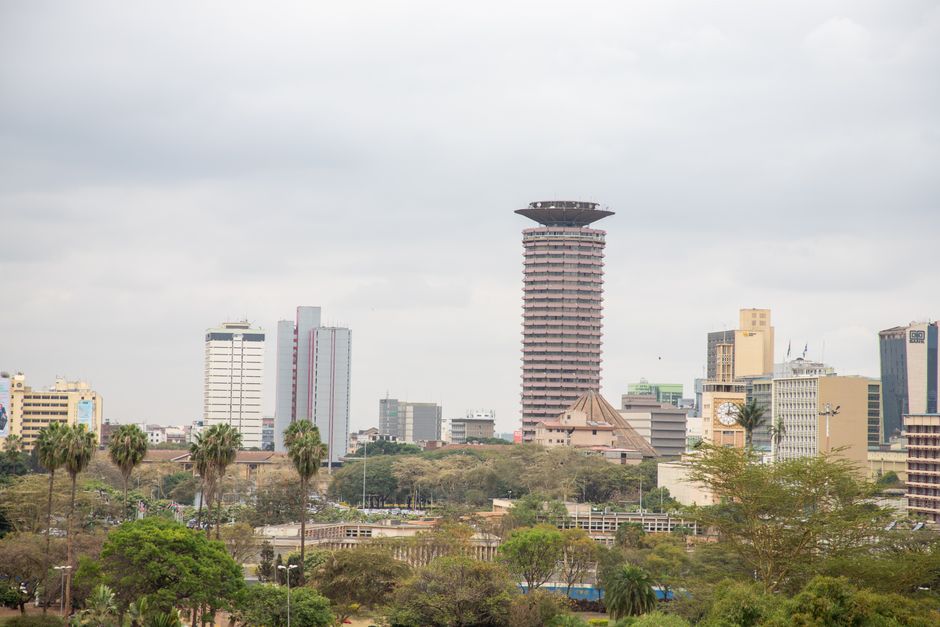
Walk into the warren of converted colonial buildings along Ngong Road these days and you'll notice a shift. The gallery openings that once featured safely established names are increasingly giving way to first-time exhibitions from artists in their twenties and early thirties—many of whom grew up in Nairobi, studied locally, and are now refusing to chase validation from abroad before making their mark at home.
The momentum is real. Recent surveys by the Kenya Arts and Cultural Alliance suggest emerging artists now represent roughly 35 per cent of solo exhibitions across Nairobi's major venues, up from 18 per cent in 2021. Galleries in Westlands—particularly around the Sarit Centre and along Limuru Road—have become unofficial incubators, with younger curators and gallery owners actively scouting talent from art schools and social media platforms where much discovery now happens organically.
What distinguishes this wave isn't just age. These artists are wrestling directly with Kenyan identity, urban displacement, climate anxiety, and digital culture in ways that sidestep the tourist-ready aesthetics of previous generations. Mixed media installations in Parklands have explored Nairobi's water crisis through found materials. Painters in Karen are interrogating colonial architectural legacies. Digital artists are merging Maasai beadwork patterns with generative algorithms—work that feels unmistakably of this moment, and of this place.
The economics are challenging but shifting. Gallery commissions hover between 40-50 per cent, and entry-level works still price between Ksh 15,000 and Ksh 80,000, keeping pieces within reach of younger collectors. But artist residencies—particularly the burgeoning network through institutions like Nairobi Design Week and independent studio collectives in Eastlands—are providing crucial breathing room and peer communities that previous cohorts lacked.
Museum spaces are taking notice. The National Museum's 'Emerging Perspectives' programme, launched in 2024, has already featured twelve artists under 35, with attendance running 40 per cent above comparable exhibitions. Meanwhile, smaller independent museums scattered across Gigiri and Upper Hill are positioning themselves specifically as launching pads for work that won't yet fit major institutional collecting mandates.
The question now is sustainability. Will institutional support deepen, or will these voices scatter once the initial attention fades? For now, though, the energy is unmistakable. Head to any gallery opening along Museum Hill on a Friday evening and you'll see it: young artists talking seriously about their work, collectors taking risks, and a city finally paying attention to the voices reshaping its own visual culture.
This article was compiled by AI from the sources linked above and screened before publishing. See our editorial standards.