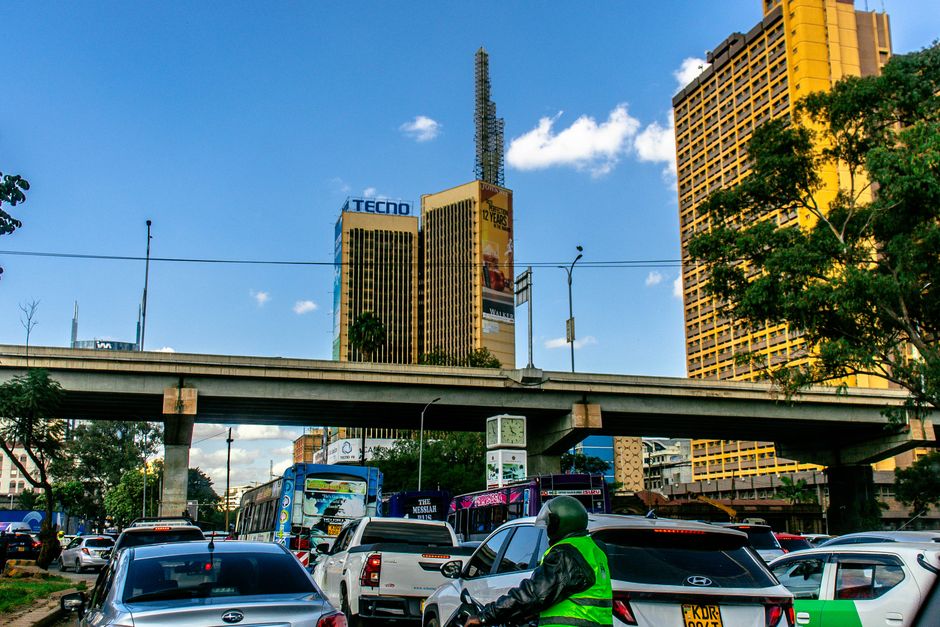
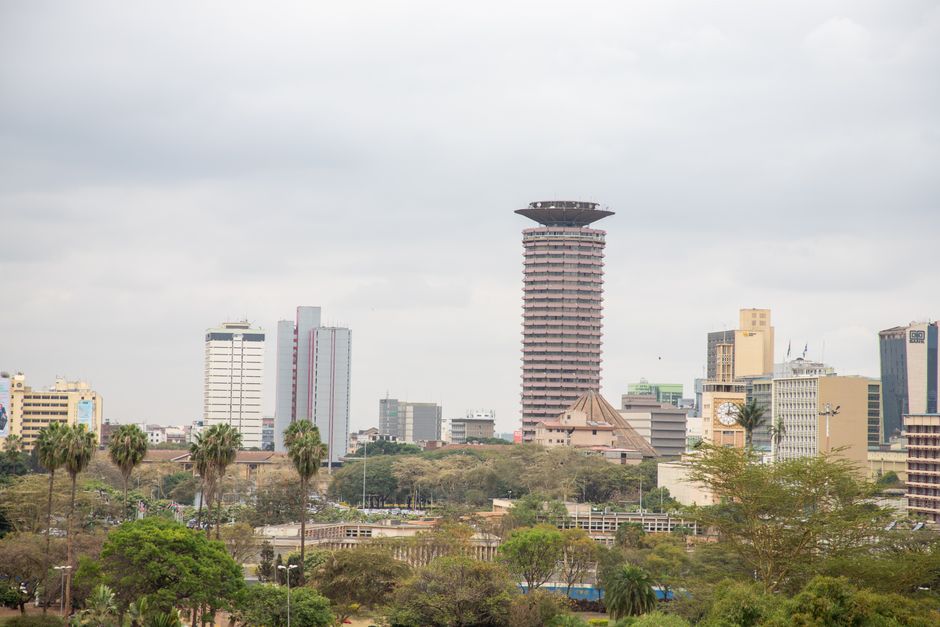
Two decades ago, street art in Nairobi existed in the margins—quick tags on crumbling walls, unsigned pieces that disappeared within weeks. Today, walking through River Road or the Eastleigh Design Quarter, visitors encounter carefully curated murals, branded installations, and a thriving ecosystem of galleries, studios, and design collectives that have legitimised what was once considered vandalism.
The transformation didn't happen overnight. In the early 2000s, a handful of self-taught artists began experimenting with public walls, inspired by global hip-hop culture and a desire to reclaim urban spaces. By 2010, informal collectives had begun organising, with artists gathering at spaces like the Nairobi Contemporary Art Centre in Parklands and smaller venues in Industrial Area. Street art remained largely underground, misunderstood by municipal authorities and dismissed by mainstream culture.
The pivotal shift came around 2015, when property developers and cultural organisations recognised the economic and aesthetic potential of street art. The Eastleigh Design Quarter emerged organically as young creative entrepreneurs—painters, graphic designers, fashion designers—gravitated towards affordable studio spaces. What began as scattered workshops evolved into a concentrated creative corridor stretching from Eighth Avenue to Fifth Avenue, attracting both local and international investors.
Today's statistics tell the story of explosive growth. An estimated 150-plus design studios now operate in Eastleigh alone, with average studio rents ranging from 15,000 to 35,000 Kenyan shillings monthly. River Road hosts approximately 40 major murals that generate millions in tourism value annually, with guided street art tours now standard offerings for visitors. The Kenya Street Art Foundation, established in 2018, has formalised artist networks and facilitated over 200 public commissions.
This evolution brought both opportunities and tensions. Gentrification has pushed some original artists out as landlords capitalised on rising property values. Yet it also created formal employment—the average street artist in Nairobi now earns between 50,000 to 250,000 shillings monthly through commissions, gallery sales, and licensing deals. Corporate brands, from telecommunications companies to fashion labels, now routinely partner with street artists for campaigns.
The scene's maturation is visible in every detail: professional artist collectives like Soko Studios and Nairobi Graffiti Project now operate registered businesses; international street art festivals draw crowds numbering in thousands; and young Kenyans increasingly pursue design careers inspired by accessible local role models.
What remains unmistakably Nairobi's is the art itself—vibrant, political, rooted in local narratives. The journey from underground rebellion to design district reflects broader truths about cultural evolution: legitimacy doesn't require abandoning authenticity, and when cities invest in creativity, everyone benefits.
This article was compiled by AI from the sources linked above and screened before publishing. See our editorial standards.