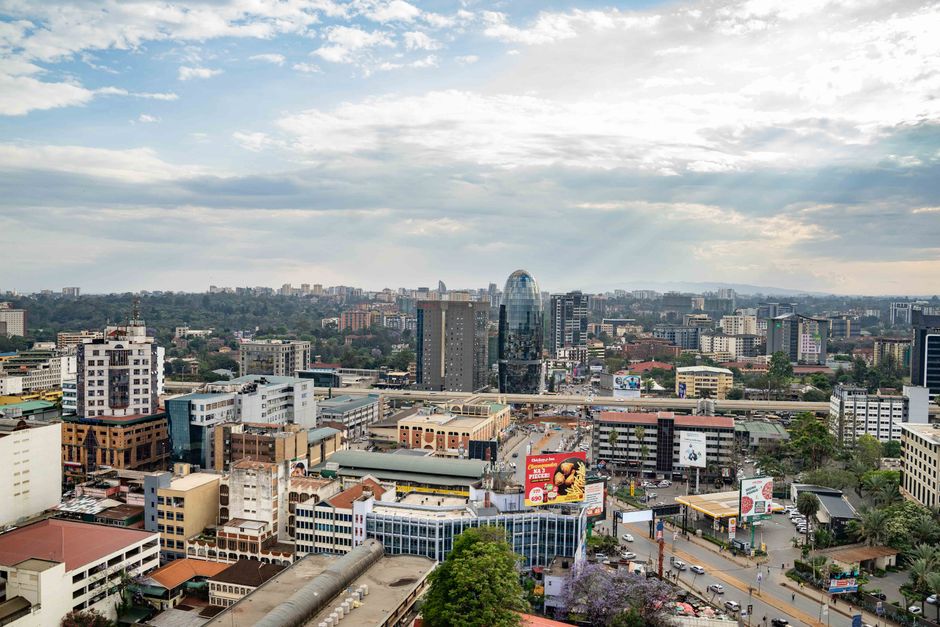
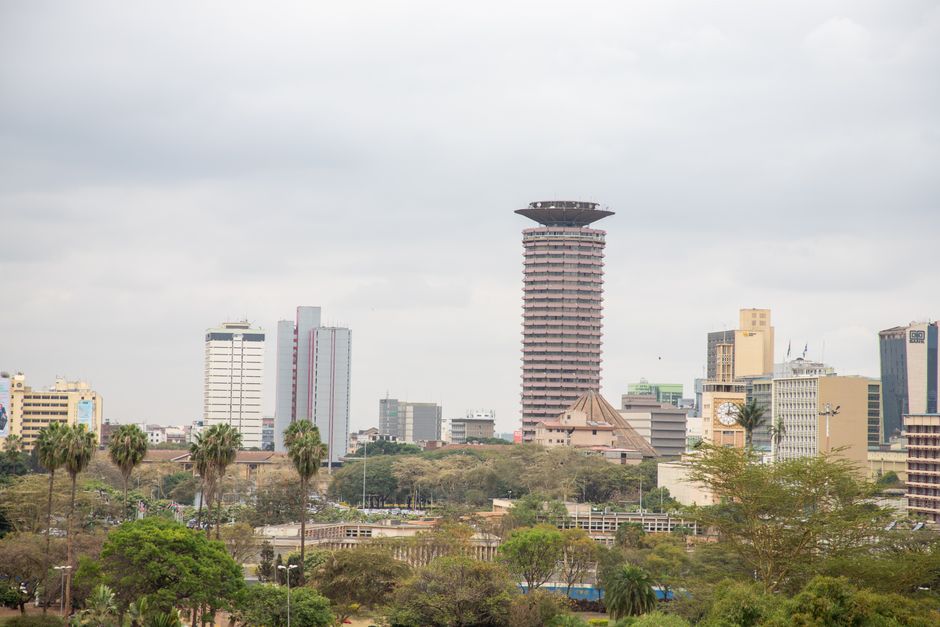
Walk down Tom Mboya Street on any weekday and you'll hear the sound of jackhammers competing with matatu horns. For months now, residents have watched as several colonial-era buildings—some dating back over a century—face demolition to make way for modern office towers and shopping centres. The tension has ignited a broader conversation about what Nairobi is willing to sacrifice in the name of progress.
The flashpoint came last month when the County Government approved demolition permits for three heritage structures in the Parklands and Westlands neighbourhoods, areas that have long served as cultural anchors for Nairobi's middle class. One property, a 1920s Art Deco building on Kenyatta Avenue, had housed independent galleries and creative studios for decades. Its loss, activists argue, represents the erasure of informal cultural infrastructure that shaped the city's artistic identity.
"We're not against development," explains a spokesperson from Nairobi Heritage Alliance, a coalition that has mobilised over 8,000 supporters through social media in recent weeks. "But there's a difference between modernisation and cultural erasure. The city council approved these demolitions with minimal public consultation."
The controversy has drawn attention to a deeper problem: Kenya's National Heritage Council lacks enforcement power, and the City County's heritage register remains incomplete and under-resourced. Meanwhile, property values in central Nairobi have surged—some commercial plots now fetch 15 million shillings per square metre—making preservation economically unviable for private owners.
What's unusual about this moment is the coalition behind the pushback. Unlike previous heritage battles that remained confined to academic circles, this movement includes young creatives, small business owners, and community groups who see cultural landmarks as essential to Nairobi's identity and economy. The Nairobi National Museum's June report noted that heritage tourism contributes approximately 2.3 billion shillings annually to the city's economy—a figure that surprised many policymakers.
County officials have promised to convene stakeholder meetings, though no timeline has been announced. Meanwhile, residents continue documenting endangered structures through photography projects and oral history initiatives, racing against the clock. For many Nairobians, the question feels urgent: in a city changing as rapidly as ours, what do we preserve, and who gets to decide?
This article was compiled by AI from the sources linked above and screened before publishing. See our editorial standards.