Threading the Stories: What Visitors Must Know About Nairobi's Living Heritage
From colonial relics to Swahili coastal echoes, Nairobi's cultural landscape tells a century of collision, resilience, and reinvention.
From colonial relics to Swahili coastal echoes, Nairobi's cultural landscape tells a century of collision, resilience, and reinvention.
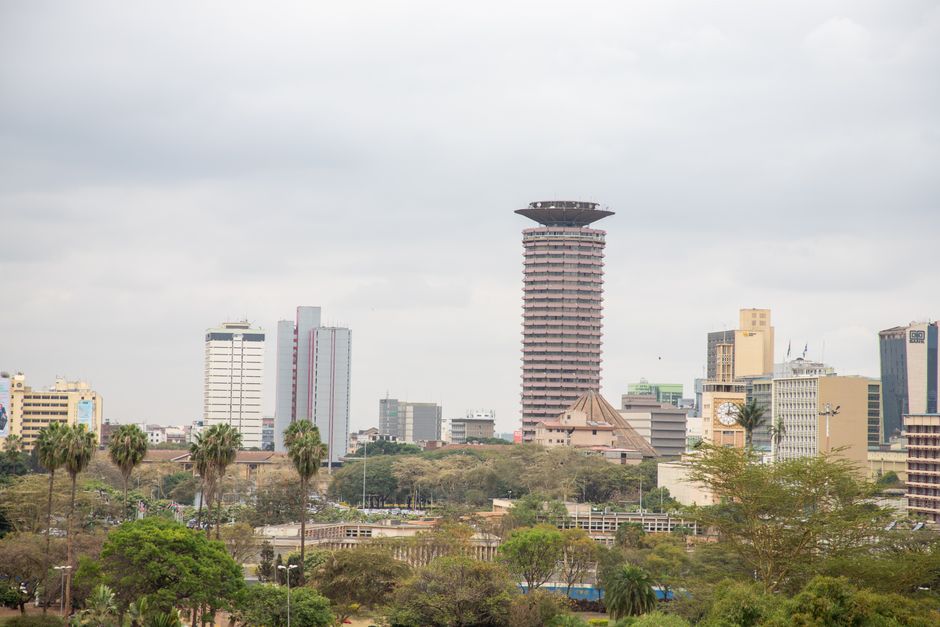
Nairobi's cultural identity isn't confined to museums or heritage weeks. It pulses through the city's neighbourhoods, markets, and gathering spaces—a palimpsest of competing histories that shape how residents understand themselves and their place in the world. For visitors seeking authentic engagement with the city's past and present, understanding these layers is essential.
Start in Parklands and Upper Hill, where colonial villas sit alongside contemporary developments. The Karen Blixen Museum in Gigiri preserves the legacy of the Danish author, but its real value lies in contextualising how expatriate narratives shaped Kenya's international image. Just as importantly, visitors should venture into Eastleigh—the sprawling Somali and East African neighbourhood where immigrant communities have created distinct commercial and cultural ecosystems. The vibrant textile markets and restaurants here represent living heritage, not museum pieces.
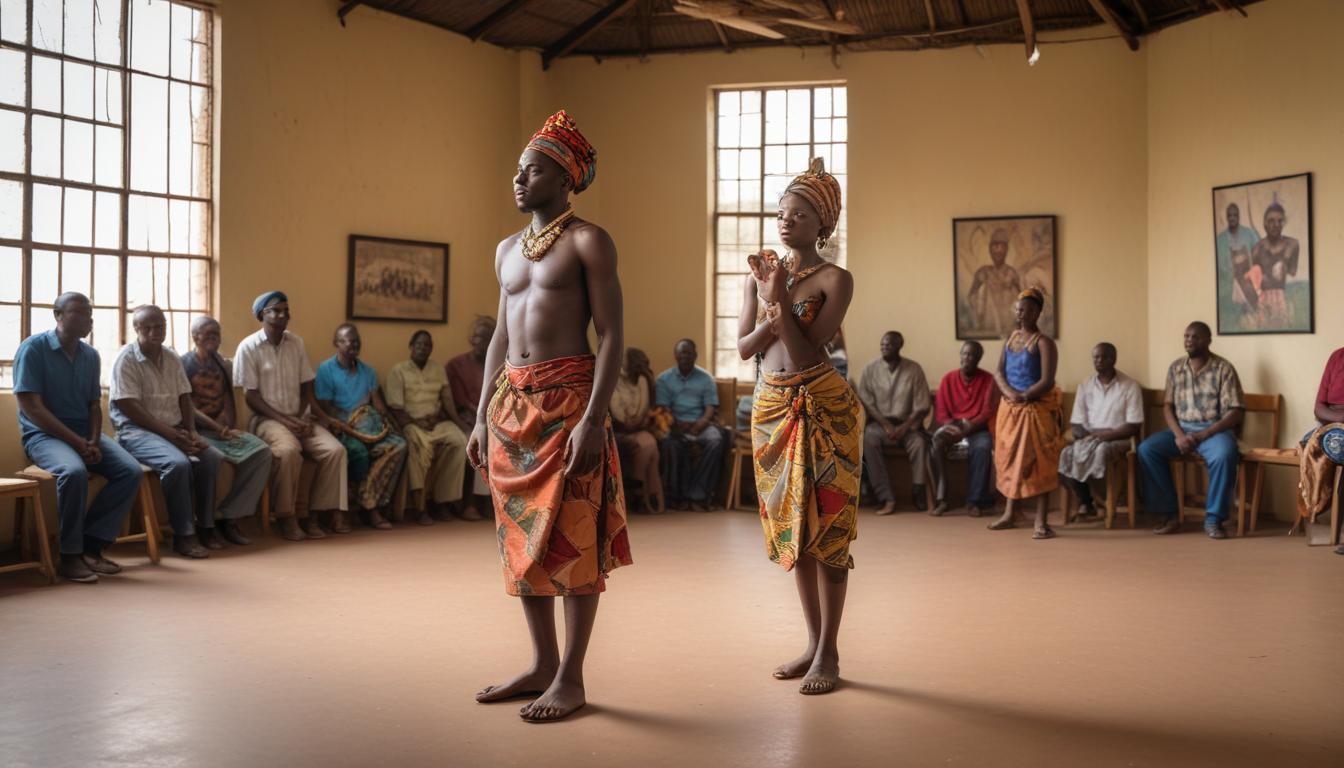
The National Museum on Museum Hill remains essential, but modern Nairobi culture reveals itself better in spaces like the Nairobi National Theatre on Harry Thuku Road, where Kenyan playwrights and performers interrogate contemporary identity. The Godown Arts Centre in Industrial Area has become a crucial hub for visual artists and cultural practitioners experimenting with what "Kenyan" means in the 21st century.
Don't miss the Markets precinct around Tom Mboya Street and Kimathi Street—where the city's commercial heart beats. These corridors contain oral histories embedded in family businesses spanning decades, often overlooked by guidebooks. Street vendors, tailors, and traders here maintain informal cultural transmission that formal institutions cannot capture.
Nairobi's literary scene, increasingly visible at venues like The Bomas of Kenya and independent bookshops along Kimathi Street, reflects ongoing conversations about language, identity, and post-colonial consciousness. The city hosts a significant Swahili cultural presence, though this heritage is often overshadowed by Nairobi's cosmopolitan veneer—visiting coastal cultural organisations offers critical perspective on East African connections.
For visitors, the challenge and reward lies in moving beyond singular narratives. Nairobi isn't a museum of Kenyan culture; it's a contested space where different communities negotiate belonging. The city's heritage includes both the architectural remnants of empire and the entrepreneurial resilience of marginalised communities building alternatives. Understanding both simultaneously—without romanticising either—offers visitors genuine insight into modern Kenya.
Budget time for unstructured exploration, particularly in neighbourhoods like Kawangware and Kibera, where cultural expression remains rooted in community survival and creativity. These spaces reveal heritage not as nostalgia, but as active, living practice.
This article was compiled by AI from the sources linked above and screened before publishing. See our editorial standards.
How does this story make you feel?
Spread the word
About this article
Published by The Daily Nairobi
Daily brief
Free, in your inbox before 7am. Weekdays.
More in culture