From Colonial Playhouses to Digital Stages: How Nairobi's Theatre Scene Reinvented Itself
Three decades of transformation have turned Kenya's capital into East Africa's most dynamic hub for live performance and cinema.
Three decades of transformation have turned Kenya's capital into East Africa's most dynamic hub for live performance and cinema.
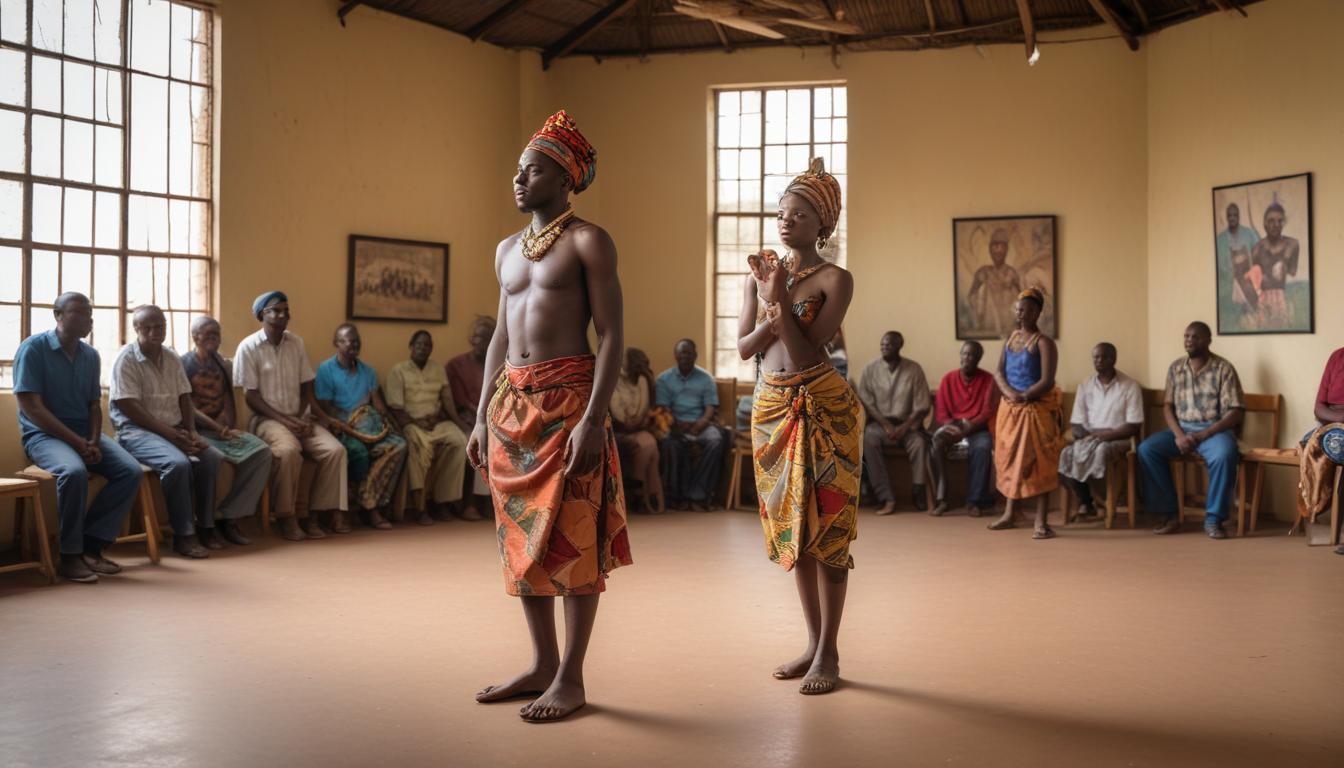
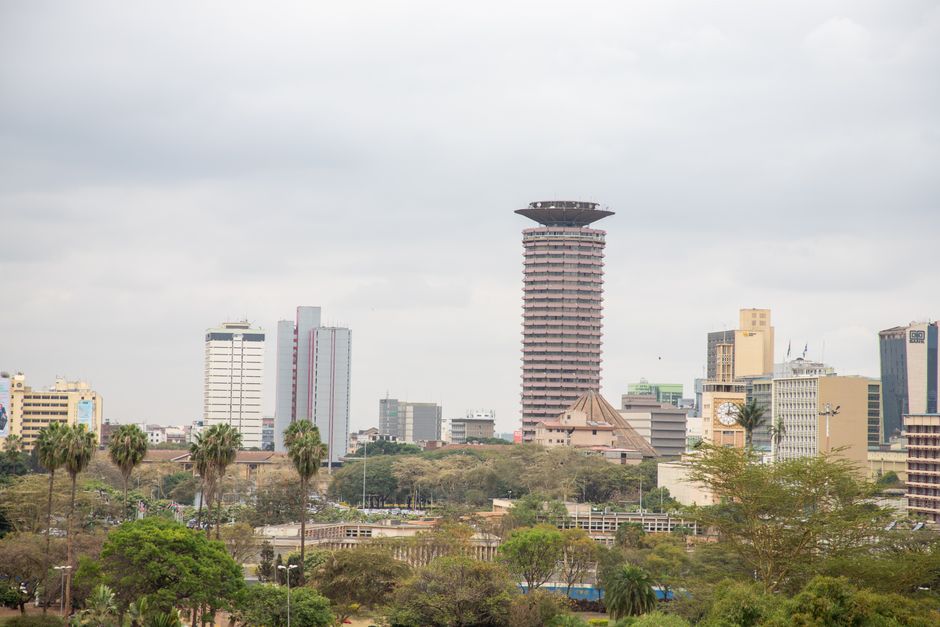
When the Kenya National Theatre opened its doors on Harry Thuku Road in 1952, it represented something revolutionary: a permanent home for the performing arts in a city still under colonial administration. That Victorian-era vision has evolved dramatically. Today, Nairobi's theatre and film ecosystem spans from the restored grandeur of the National Theatre itself to intimate black-box venues in Westlands and Kilimani, reflecting a creative sector that has fundamentally reshaped itself over the past three decades.
The 1990s marked a turning point. As Kenya navigated political transition, independent theatre companies began sprouting across the city—Nairobi Players at the Kenya National Museum, Kamiriithu Community Education and Cultural Centre in the suburbs, and smaller groups claiming warehouse spaces in industrial areas. These weren't just performance venues; they became laboratories for exploring identity, politics, and social issues through Kenyan narratives. Ticket prices ranged from 200 to 500 shillings, making theatre accessible beyond Nairobi's elite circles.
The cinema landscape underwent parallel transformation. While mainstream multiplexes like Westgate and Sarit Centre became dominated by international blockbusters, alternative screening spaces emerged. The British Council on Minet Drive became a cultural anchor, hosting documentary screenings and film festivals. By the early 2010s, Nairobi hosted the Nairobi International Film Festival, drawing filmmakers and audiences from across the continent, though its consistency fluctuated with funding challenges.
The most visible recent evolution has been infrastructural. The refurbished National Theatre now operates as both a heritage site and working venue, hosting everything from classical productions to contemporary Kenyan plays. Venues like Nairobi Performing Arts Centre in the CBD, established in the late 2010s, introduced tiered theatre spaces catering to different production scales. Ticket prices for mainstream productions now range from 1,000 to 3,500 shillings, reflecting both professionalization and economic pressures.
Perhaps most significantly, the Covid-19 pandemic accelerated digital adoption. Theatre companies that once relied entirely on physical performances began streaming productions on YouTube and developing hybrid models. Independent cinemas and theatres adjusted, creating socially-distanced screening options and outdoor performances in venues like Karura Forest and riverside spaces.
Today, Nairobi's performing arts scene reflects a city in creative flux—balancing heritage preservation with experimental innovation, commercial viability with artistic integrity. From colonial-era theatre to streaming platforms, the journey reveals how a capital city's cultural institutions adapt, survive, and ultimately thrive through reimagination.
This article was compiled by AI from the sources linked above and screened before publishing. See our editorial standards.
How does this story make you feel?
Spread the word
About this article
Published by The Daily Nairobi
Daily brief
Free, in your inbox before 7am. Weekdays.
More in culture