Reclaiming the Narrative: How Nairobi's Heritage Sites Are Reshaping the City's Creative Identity
From Parklands to Kibera, a new generation of artists and curators are mining the city's layered past to forge a distinctly Nairobi cultural future.
From Parklands to Kibera, a new generation of artists and curators are mining the city's layered past to forge a distinctly Nairobi cultural future.
Walk through the Karen Blixen Museum on Bogani Lane and you'll encounter the familiar colonial narrative—the Danish author's Out of Africa mythology, preserved in amber. But step into the Nairobi National Museum's newly expanded contemporary wing, or visit the artist collectives sprouting along River Road in Nairobi West, and a more complex story emerges: one where Nairobi's creative practitioners are actively decolonising how the city understands itself.
This cultural reckoning is reshaping Nairobi's identity in real time. The Mathare Valley Project, rooted in the informal settlement's lived history, has evolved from documentary photography into a full-fledged cultural archive that challenges mainstream narratives about the neighbourhood. Meanwhile, venues like The Nairobi Design Week—now in its seventh iteration—deliberately platform heritage craftspeople alongside contemporary digital artists, asserting that the city's creative future cannot be divorced from its material past.
The numbers tell part of the story. Since 2022, independent galleries and heritage-focused artist spaces in Nairobi have grown by approximately 40 percent, according to data from the Nairobi Creative Economy Task Force. Kisumu Street and the Westlands arts corridor have become epicentres, with studios and exhibition spaces charging between KES 15,000 to 35,000 monthly for residencies—a deliberate move to remain accessible to emerging local talent while maintaining financial sustainability.
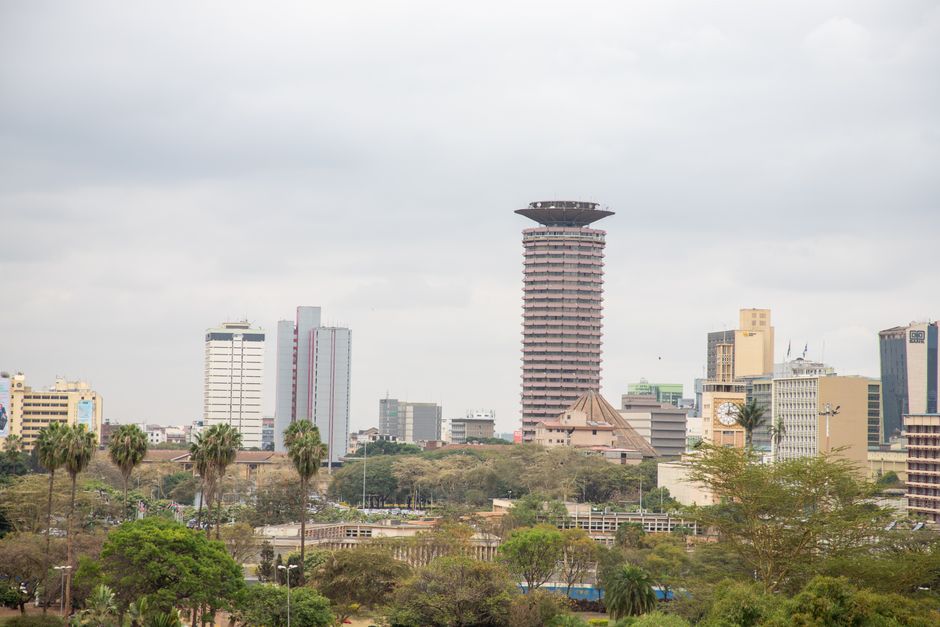
What distinguishes this moment is intentionality. The Nairobi City Council's 2025 Cultural Heritage Mapping Initiative has catalogued over 200 significant sites, from the colonial architecture of Government Road to the grassroots music venues that nurtured Kenya's benga and Kenyan hip-hop scenes. Artists like muralists working in Eastleigh and Kawangware are literally writing new histories onto walls, reclaiming public space as democratic archives.
The Goethe-Institut and British Council have noticed. Both institutions have shifted programming to partner with locally-rooted organisations rather than imposing external curatorial frameworks. It's a small shift, but symbolic: cultural authority over Nairobi's identity is migrating from expatriate institutions toward Nairobian practitioners themselves.
Yet tensions persist. Gentrification pressures in Kibera and Mathare threaten to displace the very communities whose histories are now being celebrated. Heritage tourism, too, risks commodifying authenticity. The challenge ahead is ensuring that as Nairobi's creative sector grows—projected to contribute KES 12 billion annually by 2028—it remains rooted in the neighbourhoods and stories that give the city its irreplaceable character.
This article was compiled by AI from the sources linked above and screened before publishing. See our editorial standards.
How does this story make you feel?
Spread the word
About this article
Published by The Daily Nairobi
Daily brief
Free, in your inbox before 7am. Weekdays.
More in culture